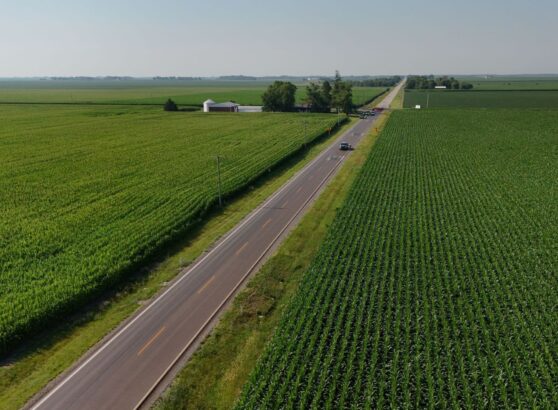
Road engineers rarely face a shortage of pavement needs. The challenge is deciding which roads need attention now and which can wait another budget cycle. A roadway that could be preserved today with micro surfacing may require significantly more expensive rehabilitation just a few years later. By the time visible distress becomes severe enough to command immediate attention, the most cost-effective treatment option may no longer be available.
Here’s what you need to know about the preservation window for micro surfacing and how to spot it before it closes.
Why Micro Surfacing?
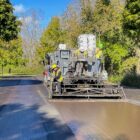
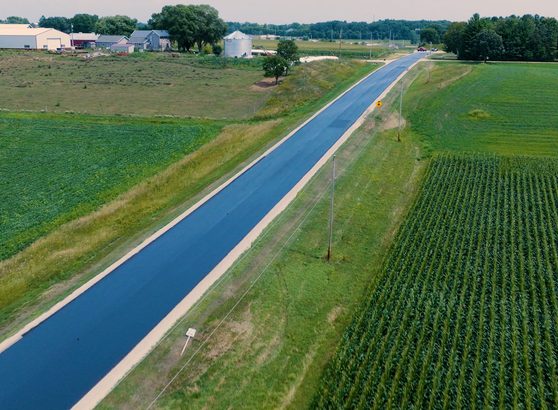
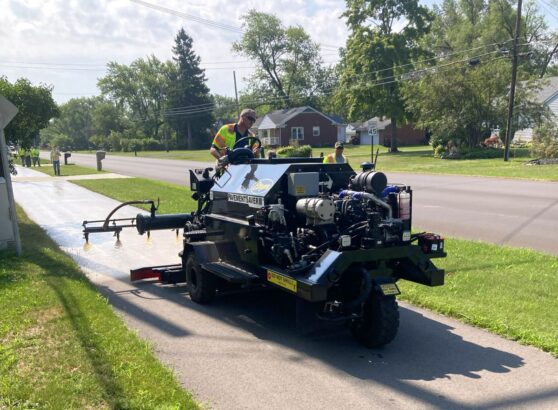
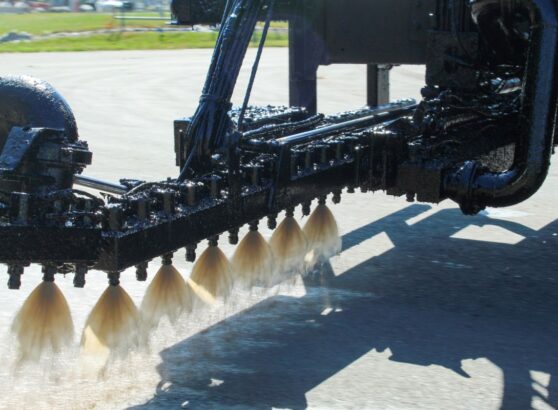
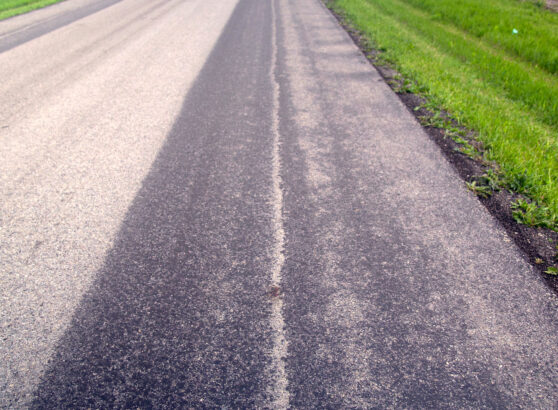
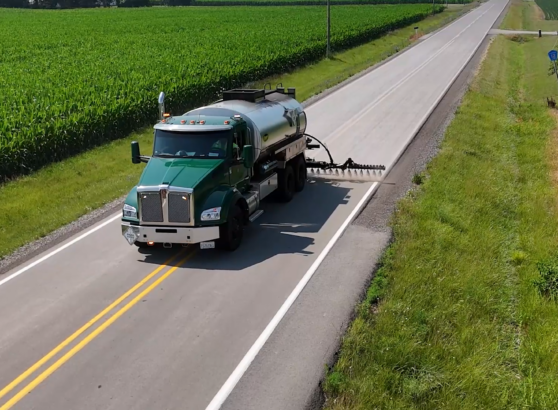
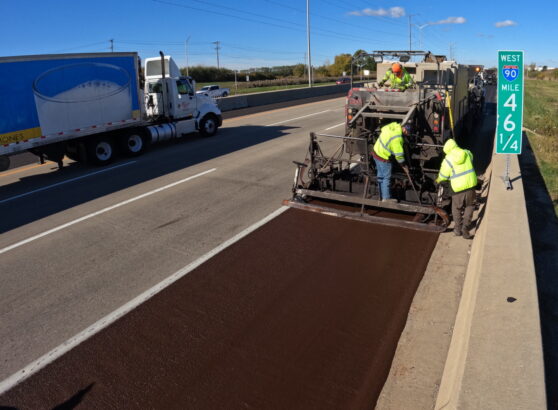
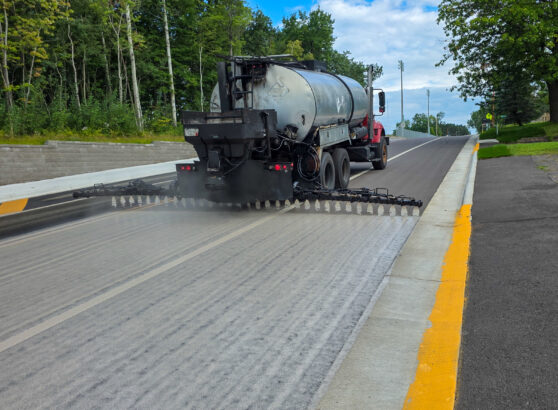
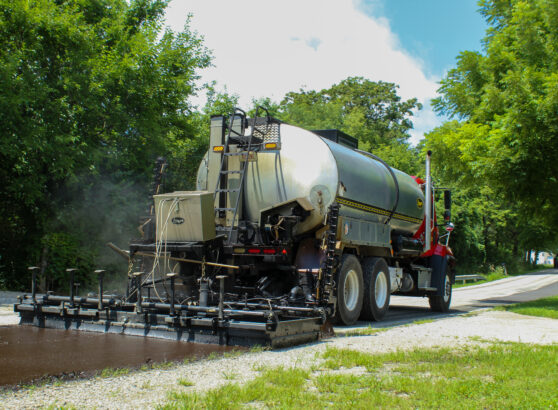
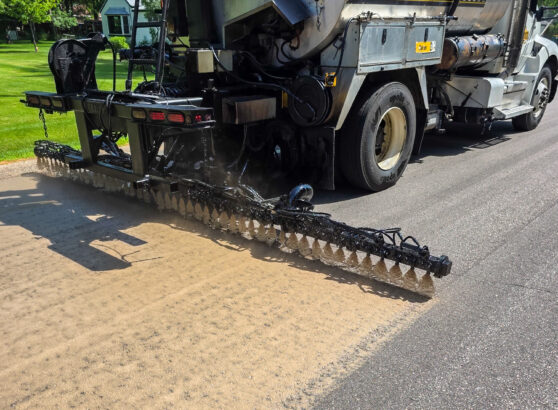
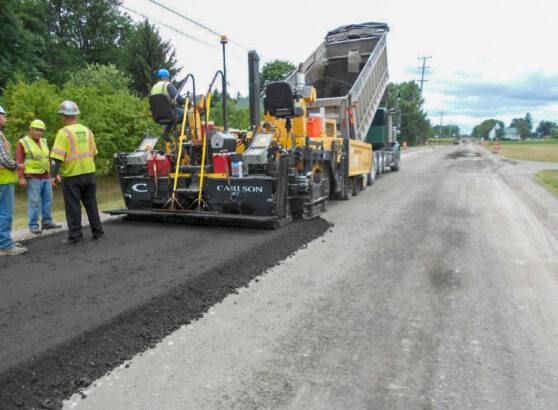
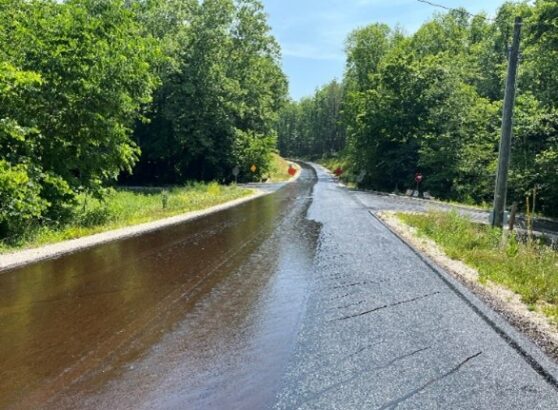
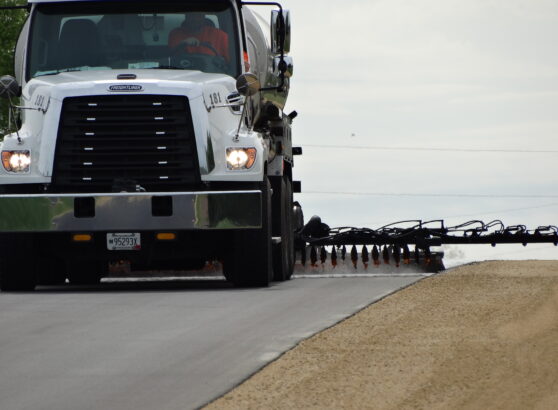
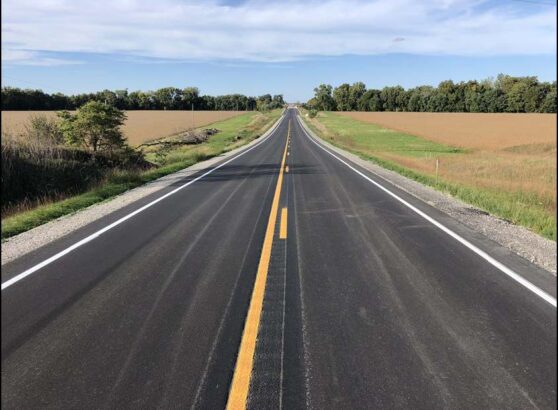
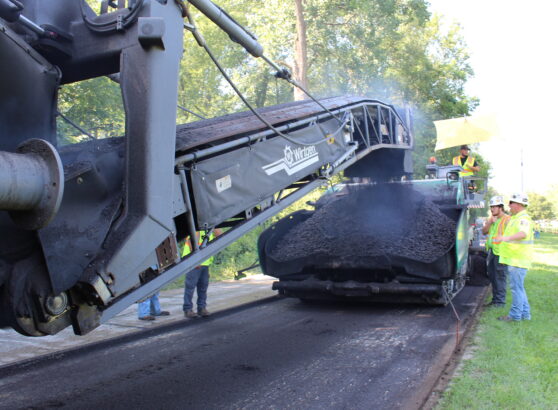
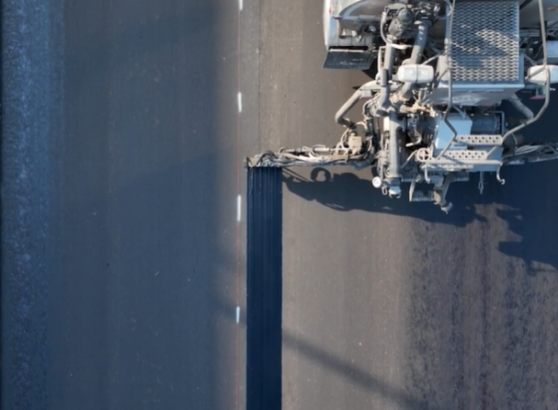
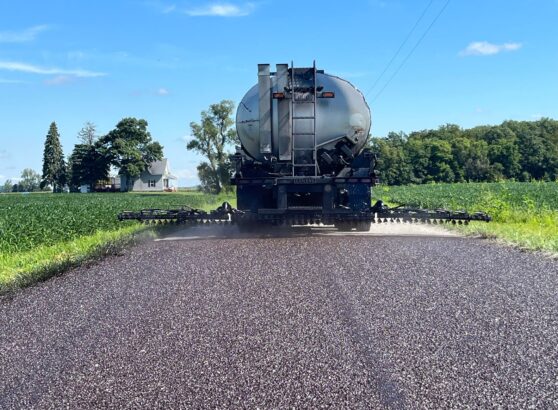
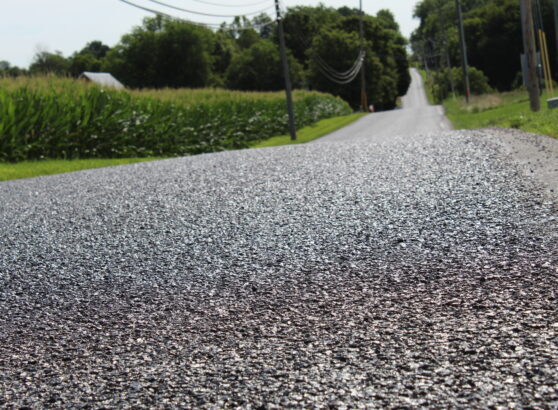
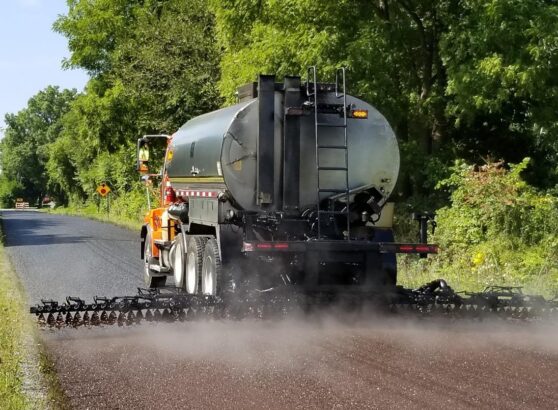
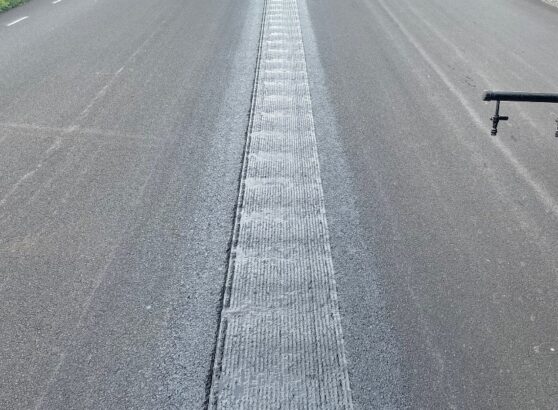
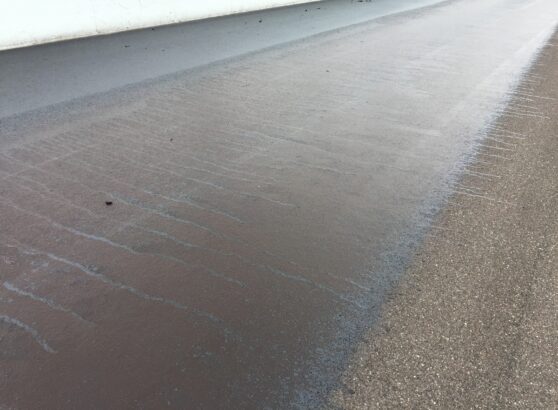
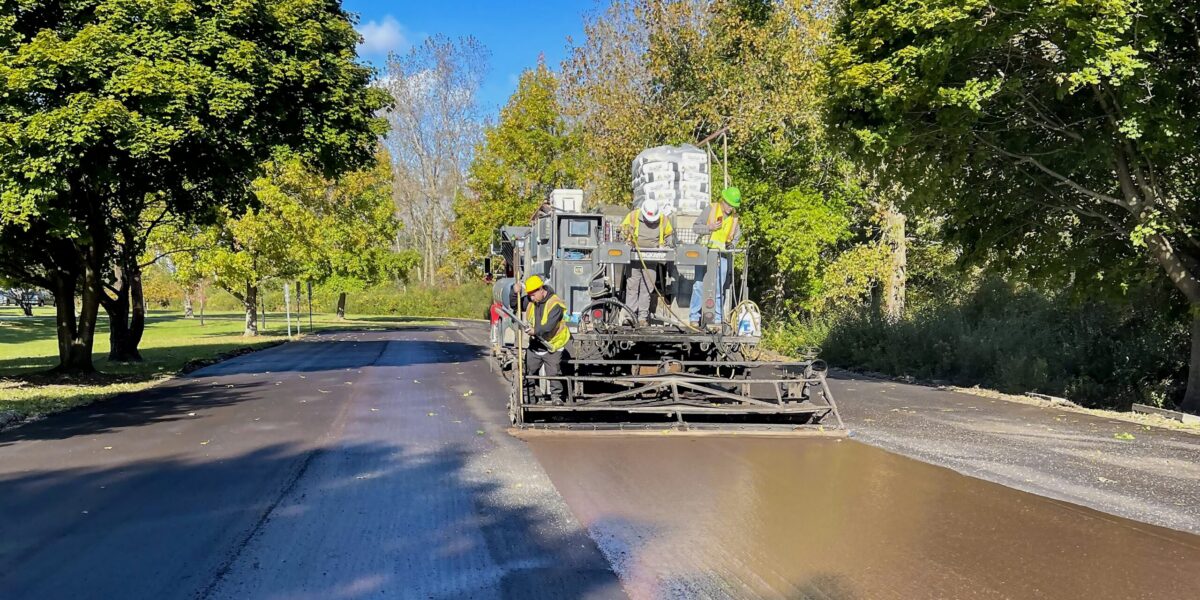
Micro surfacing is a pavement preservation treatment that applies a mixture of polymer-modified asphalt emulsion, high-quality aggregate, water and additives over an existing asphalt surface to restore and protect the roadway. It is recommended to be used on structurally sound pavements. Micro surfacing occupies the “sweet spot” of cost and outcomes when looked at between basic preservation treatments and more expensive resurfacing options. Unlike crack sealing, chip seals or slurry seals, it can simultaneously restore friction, slow oxidation, reduce moisture intrusion, address raveling and correct minor rutting. Unlike overlays, it achieves those benefits without the cost, material consumption and disruption of a larger rehabilitation effort.
Micro surfacing is arguably the most versatile preservation treatment available. Most alternative preservation treatments solve one or two problems, while micro surfacing solves several at once and extends pavement life by approximately six to eight years.
Strides have been made in recent years in micro surfacing formulation; agencies now have even more options when considering micro as a preservation treatment. Technology changes have had dramatic impacts on results, eFlex® being one example of a higher performing material that is pushing the extension of road service life even further.
Why Good Roads Often Get Ignored Until It’s Too Late
One of the biggest misconceptions in pavement management is that preservation opportunities remain available until a pavement looks “bad.”
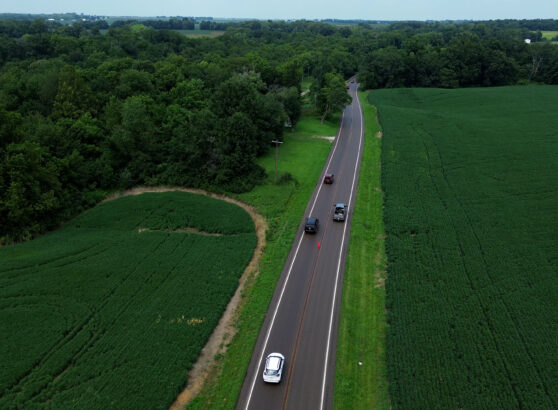
The ideal window for micro surfacing occurs much earlier. According to RoadResource.org, micro surfacing is intended for pavements in good condition, generally those with a Pavement Condition Index (PCI) of 70 or greater. These are usually roads before they reach the 9-12 year mark. At this condition level, the road remains structurally sound, but surface deterioration is beginning to emerge.
The challenge is that many roads in this condition do not create urgency. They still carry traffic well. They may not generate complaints. They are often overshadowed by roads in visibly worse condition.
As a result, preservation projects are frequently deferred in favor of more immediate rehabilitation needs despite that this choice will increase the likelihood that a preservation project will become a rehabilitation project.
Four Signs You’re About to Miss the Micro Preservation Window
Roadway deterioration rarely happens in a straight line – it typically deteriorates slowly at first, then accelerates quicker as more distress develops. And while road deterioration rate will vary by road because of variables such as traffic loading, pavement type, climate, drainage, construction quality and maintenance history, it is safe to say that each year that passes without preservation is a missed opportunity to conserve pavement assets.
While most engineers understand the importance of “the right treatment at the right time,” the challenge is knowing how long the preservation window remains open for a particular road, and to act while preservation is still an option. These observations can help evaluate pavement condition to optimize timing for a micro surfacing pavement preservation treatment.
1. The pavement is oxidizing, but still looks “good”
This is often the most dangerous stage from a pavement management perspective.
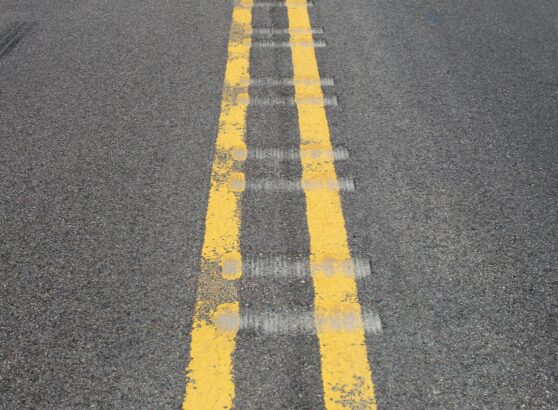
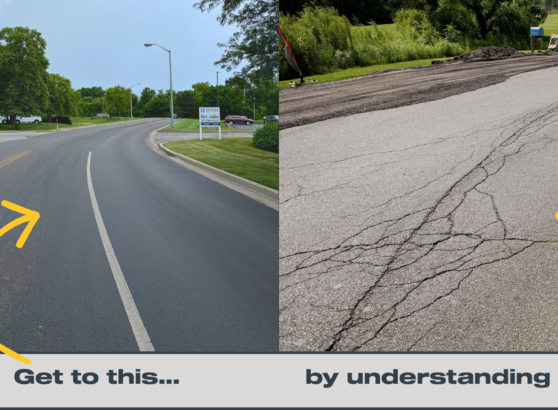
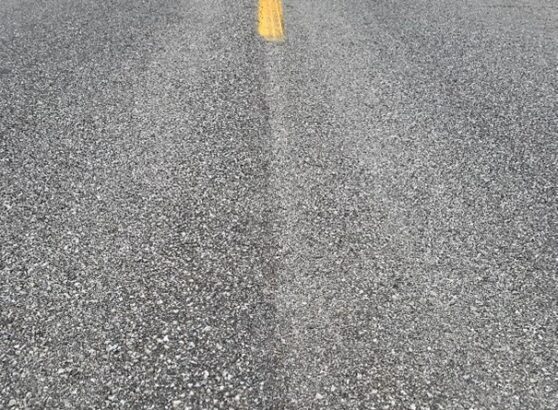
While pavement remains functional and drivers may notice little difference, oxidation is actively hardening the asphalt binder and reducing the pavement’s flexibility. Cracking is inevitable, starting slowly on the surface with minimal or hairline cracks. As moisture gains entry, crack progression will get worse unless mitigated.
Once cracks reach one-quarter inch width, and block pattern cracking is seen, a micro treatment may no longer be a viable option.
2. Rutting may be just noticeable
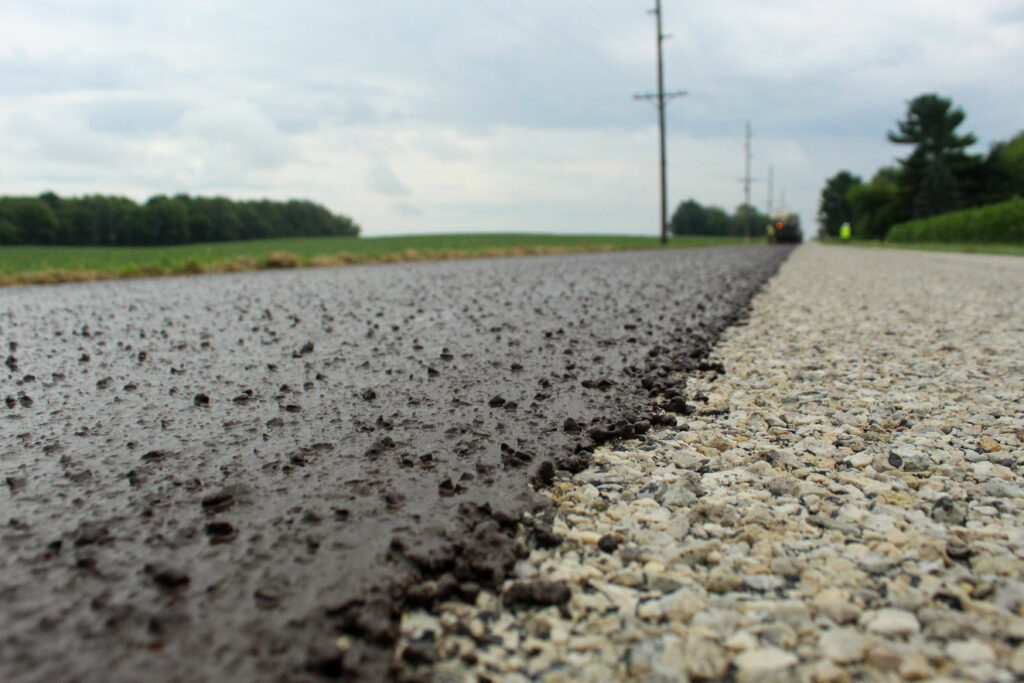
Rutting, or the formation of depressions in wheel paths, may initially be a surface-level concern, but time can compound this problem. It is at the minor rutting phase (generally one-quarter to one-half inch deep) that a micro surface treatment can be used to restore the indentations and refresh the road’s profile.
An increased rut depth beyond one-half inch may be an indicator that a road is losing its ability to adequately support traffic loads. As rutting progresses and water regularly accumulates in wheel paths, micro surfacing is no longer recommended.
3. Raveling is in an early stage
In addition to showing signs of cracking, effects of oxidized pavement will often be seen by surface wearing with aggregates and particles degrading, exposing the larger aggregates. Often one of the earliest visible signs of pavement deterioration, raveling typically begins as a rough, weathered surface and progresses to more significant aggregate loss, reduced ride quality and increased susceptibility to moisture infiltration.
Slight loss of surface material can be overcome with a restorative micro surfacing treatment. In some cases, patching severely distressed raveling may be possible before applying micro. However, once surface texture reaches “extremely severe” the opportunity to remediate with a micro surface treatment may be missed.
4. Potholes are emerging
Potholes are localized areas of pavement failure that develop when water infiltrates cracks in the surface, weakens the underlying layers and causes pieces of pavement to break apart from repeated traffic loading. While isolated potholes can often be repaired through routine maintenance, an increasing number of potholes or repeated failures in the same locations may indicate more significant deterioration within the pavement structure.
If pothole activity becomes more frequent, it can be a sign that the pavement is moving beyond the optimal preservation stage, where preventive treatments are most effective, and toward corrective maintenance or rehabilitation strategies.
What Waiting Actually Costs
The greatest cost of delaying micro surfacing is rarely the treatment itself. As pavements continue to deteriorate, agencies often face additional repair needs, shorter treatment window and the risk of losing preservation as an option altogether, resulting in more expensive overlays or rehabilitation projects and fewer lane miles treated with the same budget.
Consider: The greatest cost of delaying micro surfacing is losing the opportunity to preserve pavement at a lower cost. As pavements deteriorate, agencies often face additional repair needs and shorter treatment windows, resulting in more expensive overlays or rehabilitation projects and fewer lane miles treated within a budget.
When preservation windows are missed, agencies often experience:
- Higher future treatment costs
- Fewer viable treatment options
- Increased rehabilitation backlogs
- Reduced lane miles treated per budget dollar
- Greater pressure on capital improvement programs
From a network perspective, the consequences are even larger. Every preservation project that turns into a rehabilitation project consumes funding that could have been used to preserve additional lane miles elsewhere.
Simply put, waiting often reduces both efficiency and network coverage.
How Agencies Can Get More Value from Micro Surfacing
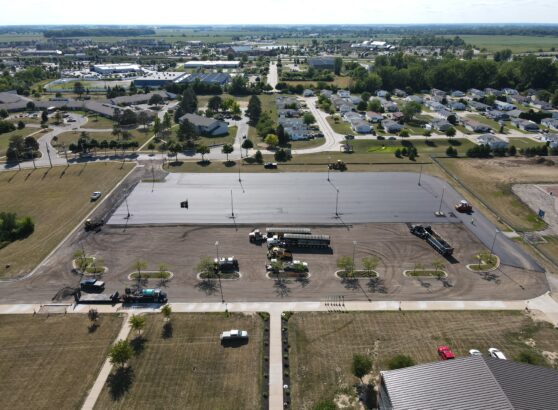
One of the greatest advantages of micro surfacing is its versatility. Unlike preservation treatments that serve a single purpose, micro surfacing can be deployed in multiple ways throughout a pavement’s lifecycle, allowing agencies to tailor solutions to their roadway conditions, performance goals and budget constraints. It can be used as a two-pass pavement preservation treatment, a wearing surface over hot- and cold-recycled pavements, a protective surface over rehabilitation projects or the finishing layer in a cape seal.
This flexibility allows pavement managers to apply the same treatment technology across a wide range of network needs while maintaining a consistent preservation strategy. Whether the goal is extending the life of an aging roadway, protecting a recent rehabilitation investment, enhancing a recycled pavement or maximizing the performance of a chip seal, micro surfacing provides a cost-effective solution that can be adapted to the specific application.
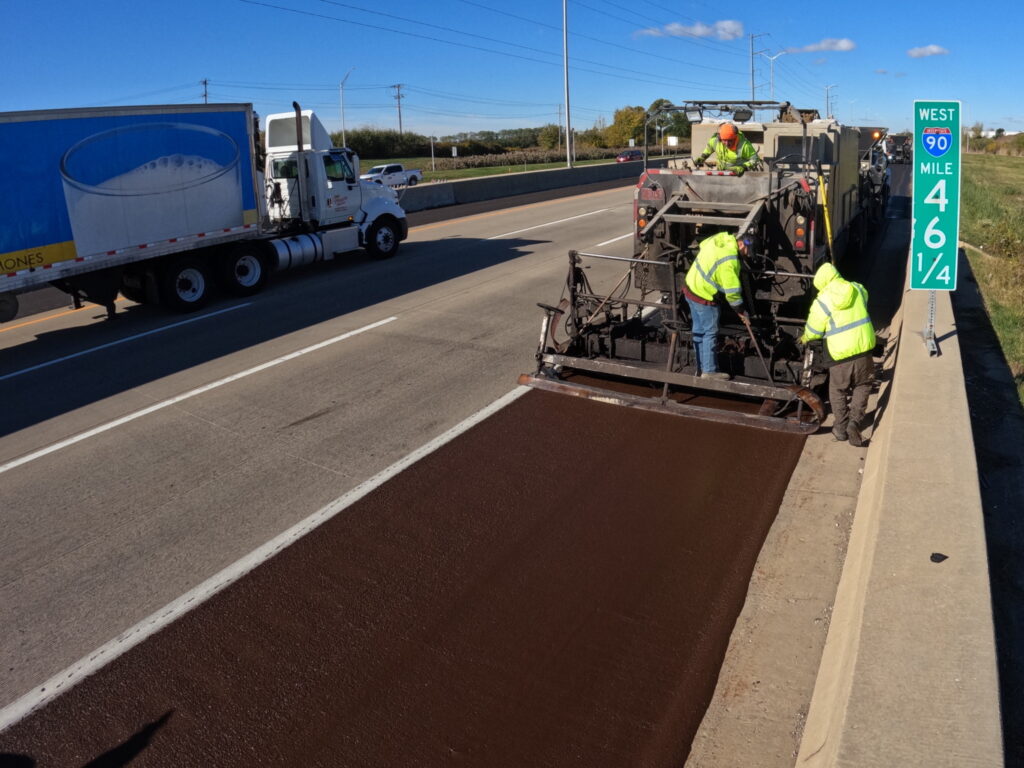
For agencies looking to further enhance performance in demanding environments, advanced technologies such as eFlex® Highly Modified Micro Surfacing can build on those preservation benefits. eFlex contains twice the polymer content of conventional micro surfacing, helping create a more durable wearing surface that better resists raveling, scuffing, snowplow wear and extreme temperature fluctuations and also helps resist cracking as shown by the Ideal CT test.
eFlex can provide a minimum of two additional years of pavement life extension compared to conventional micro surfacing while using the same equipment, installation process and crews. For agencies focused on maximizing long-term pavement performance, it offers another way to extend the value of a well-timed preservation strategy.
Planning Your Treatment Decisions
Agencies that act within the preservation window can extend pavement life by years and avoid costlier overlays or rehabilitation projects that become necessary when treatment is delayed.
Before deferring a micro surfacing project, agencies should carefully consider the following questions to evaluate risk before deciding:
- Is the pavement still structurally sound?
- Is the PCI still within the preservation range?
- Are oxidation, raveling or friction loss increasing?
- What treatment will likely be required in three to five years if no action is taken?
- How many additional lane miles could be preserved if this project moved forward today?
Don’t miss the micro surfacing treatment window. Once it closes, an agency is no longer choosing between preservation treatments; they’re choosing how much rehabilitation they can afford.
Do you have roads in your network that could be candidates for a micro surfacing treatment? Contact our team to discuss project options.
eFlex® is a trademark used under license from Ergon Asphalt & Emulsion Inc., Jackson, MS