
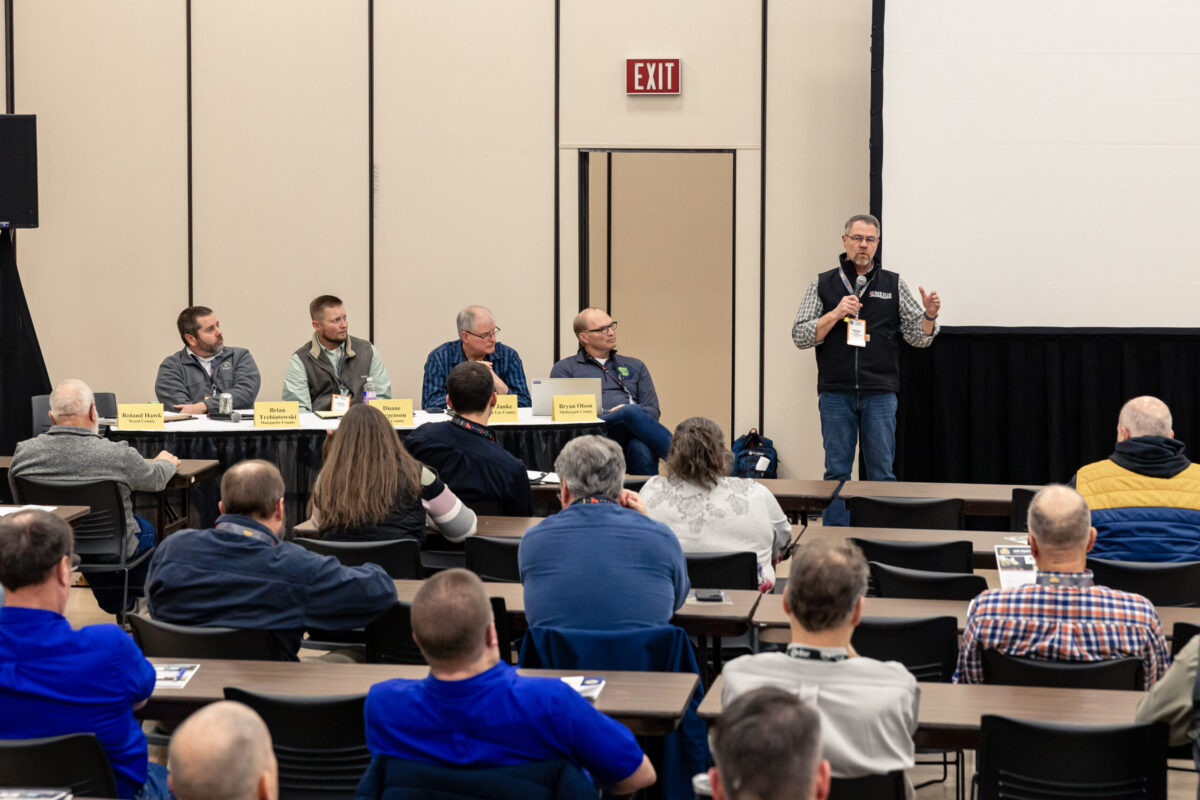
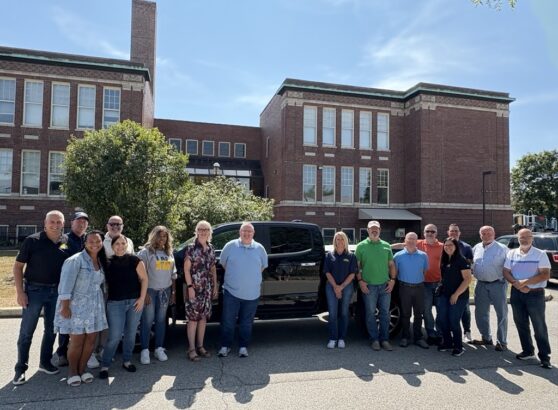
When five Wisconsin highway commissioners recently gathered to talk pavement at the Wisconsin County Highway Association winter meeting, the conversation wasn’t small talk — it covered managing lane miles, overcoming air voids and understanding treatment options that can extend road life. Each leader carried the same mission: make roads last longer, cost less and perform better, despite stagnant budgets and growing challenges.
This article is an overview of the session – but the full recording is available to watch as an on-demand session and eligible for one PDH/CEU credit.
The Panel
Bryan Olson: Transportation Director, Sheboygan County
Tom Janke: Highway Commissioner, Fond du Lac County
Duane Jorgenson: Highway Commissioner, Rock County
Brian Trebiatowski: Highway Commissioner, Marquette County
Rolland Hawk: Highway Commissioner, Wood County
Moderator: Greg Schnell, Sales Representative, H.G. Meigs (an Asphalt Materials, Inc. Company)
Overcoming Aging Roads and Limited Dollars
Every commissioner on the panel manages a different‑sized system — from Marquette County’s 240 lane miles to Rock County’s nearly 2,400 — but they all face the same constraints:
- Rising materials costs
- Labor shortages
- Roads built decades ago on unpredictable bases
- Increased heavy traffic loads
- More freeze–thaw cycles
Duane Jorgenson with Rock County described the struggle of keeping up with the lifespan of their lane miles. With 210 miles of county highway, and estimated 24-year lifespan, the county can anticipate doing nine miles per year. “Historically, at least since 2014 when I came to the county, we haven’t come close to nine miles,” he said, frankly. “So, every year we’re falling farther, farther and farther behind.”
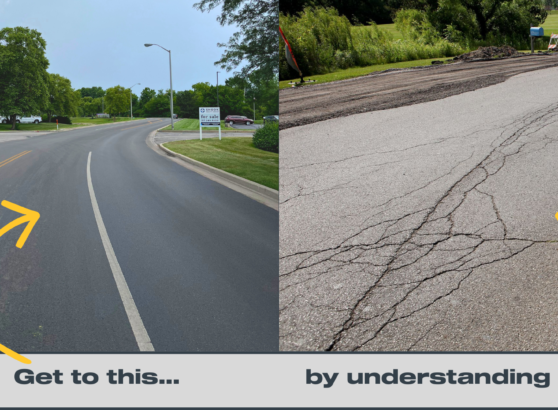
Counties are adopting a crucial mindset shift: Don’t wait for pavement to fail. Preserve it before it even looks like it needs help.
Here’s how they’ve found success with this strategy.
Joint Protection with Void Reducing Asphalt Membrane (VRAM)
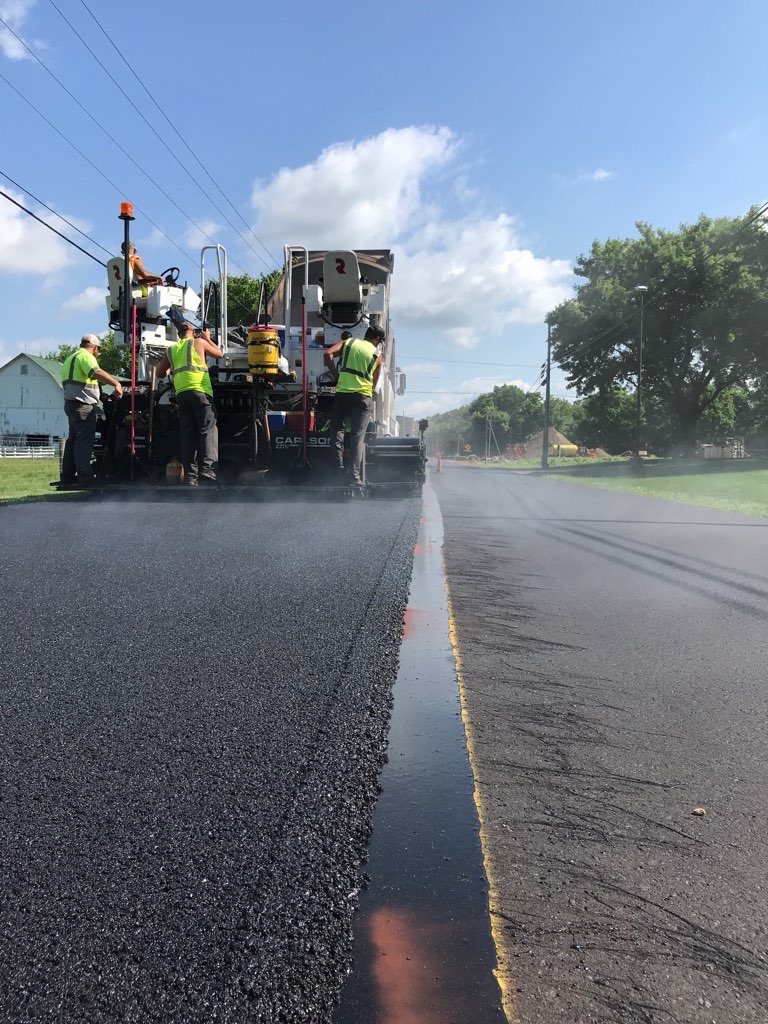
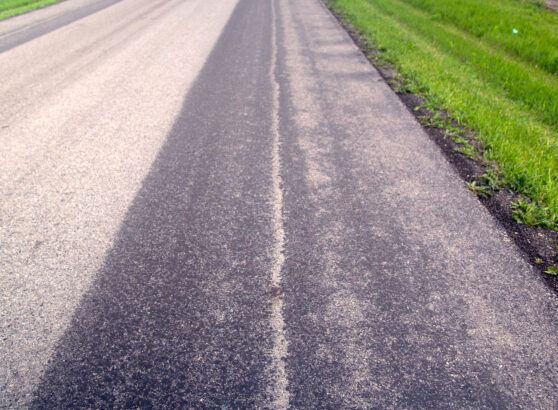
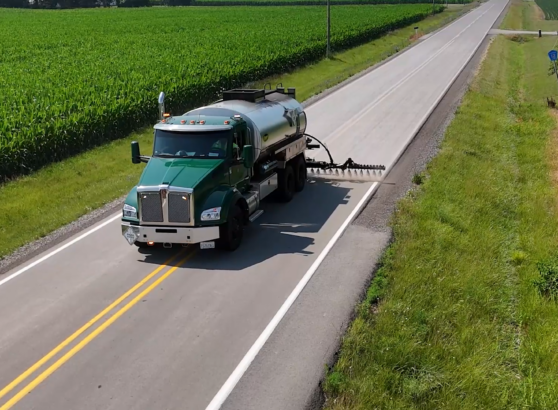
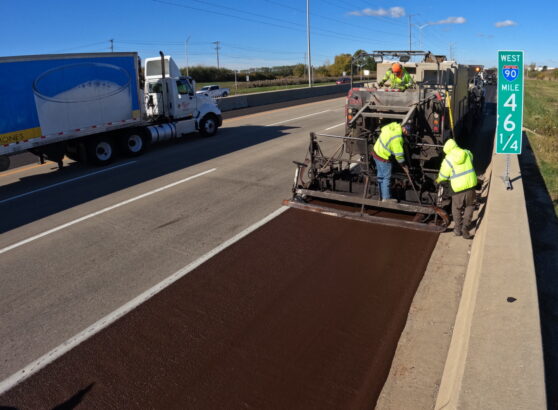
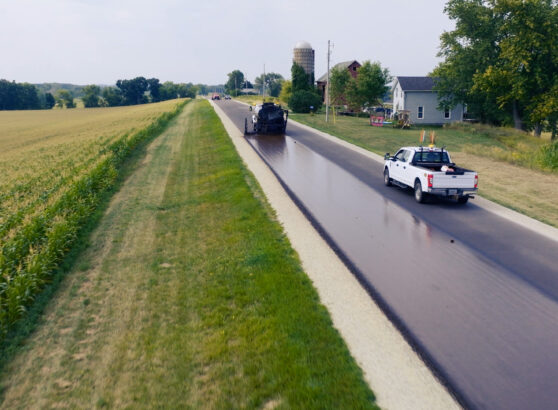
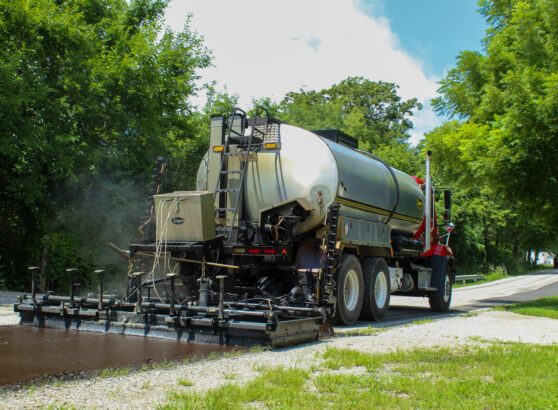
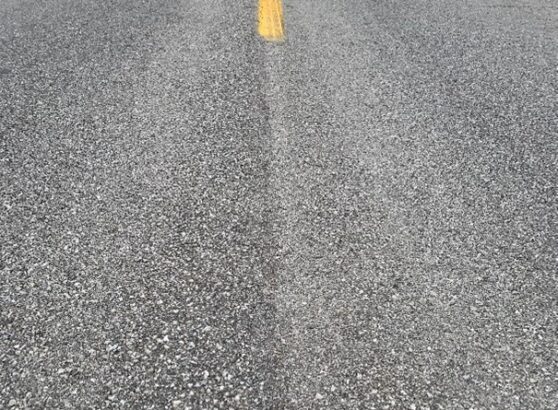
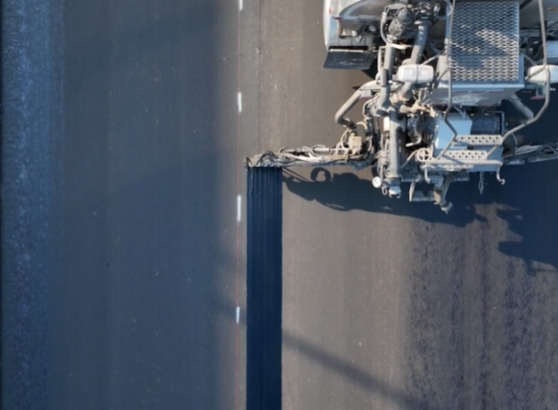
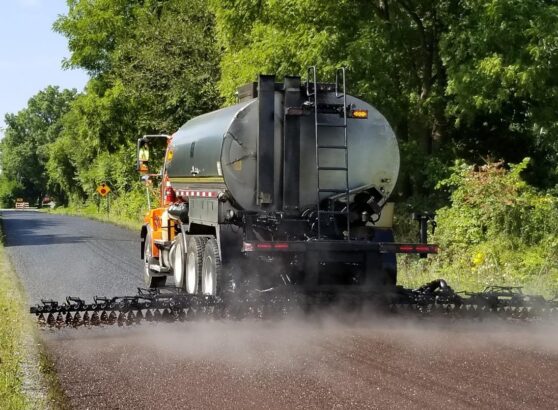
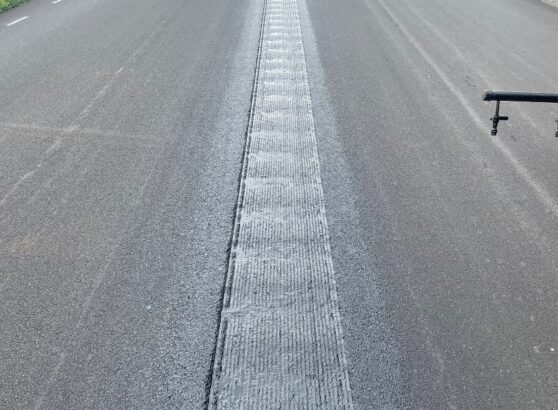
Several commissioners have trialed and found success with using VRAM, specifically Asphalt Materials’ J-Band® VRAM, because it tackles the asphalt’s weakest points: the longitudinal joint. Sheboygan County’s Bryan Olson compares it to taking care of a house: “You don’t put on a roof and ignore the ridge cap,” meaning that neglecting to reinforce the joint between intersecting roof joints will leave it vulnerable to intrusions like wind, moisture and debris. J-Band works similarly by sealing pavement longitudinal joints.
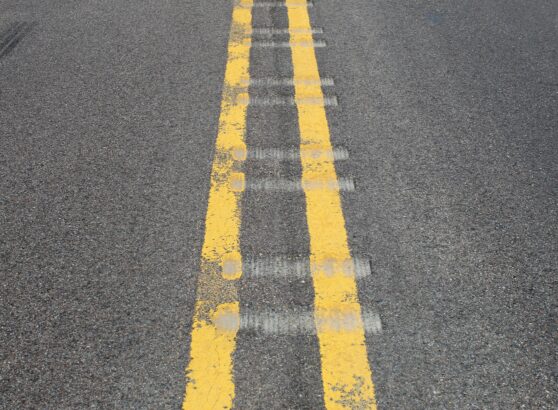
And with constant traffic of semis, manure tankers and farm equipment, the counties need a strong, durable foundation to support traffic loads and better resist cracking and raveling. Fond du Lac is also exploring the use of J-Band for edge-line rumble strip projects to seal water out before it settles into the grooves of their brand-new pavements.
And with constant traffic of semis, manure tankers and farm equipment, the counties need a strong, durable foundation to support traffic loads and better resist cracking and raveling. Fond du Lac is also exploring the use of J-Band for edge-line rumble strip projects to seal water out before it settles into the grooves of their brand-new pavements.
Delayed Maintenance with Rapid Penetrating Emulsions
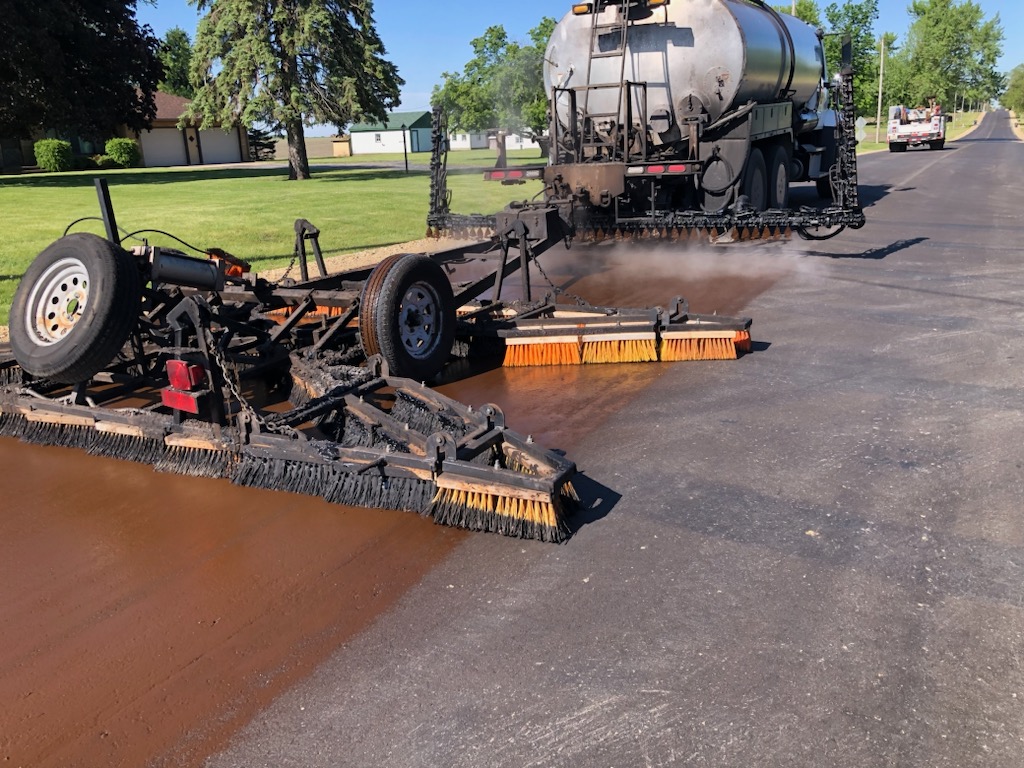
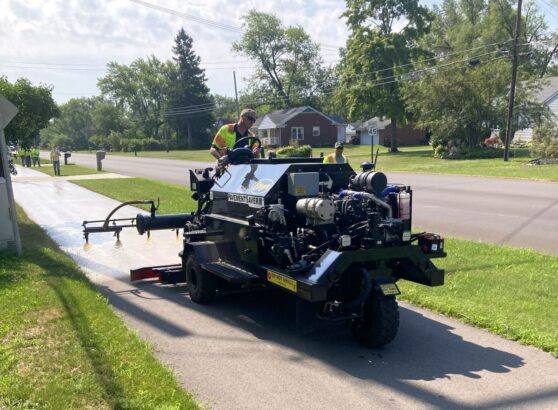
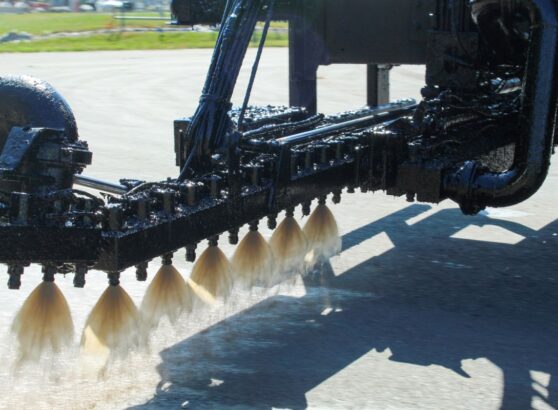
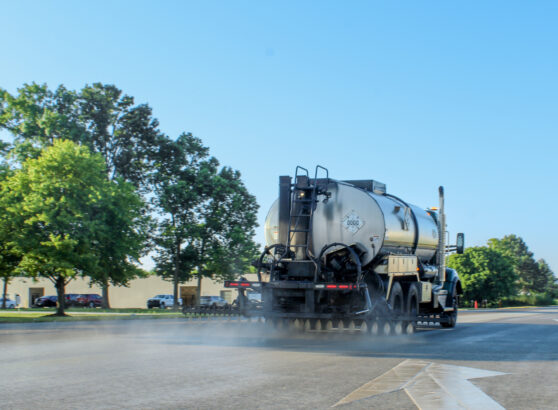
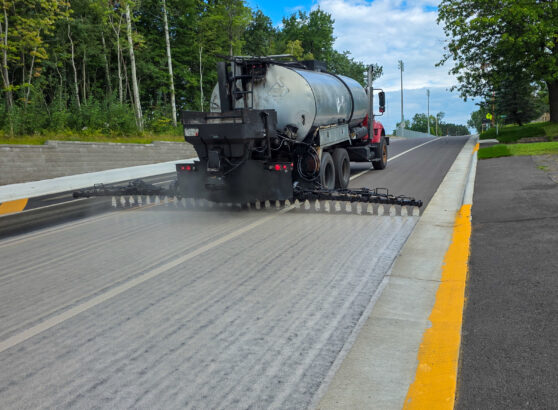
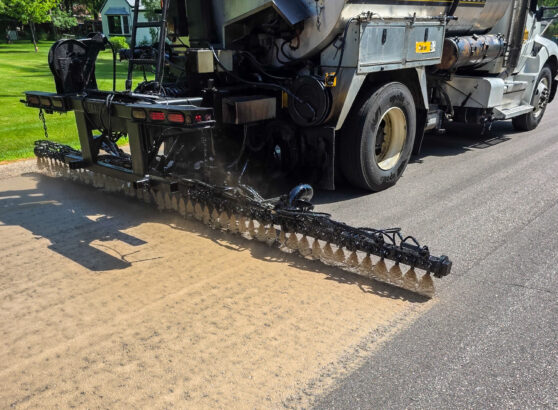
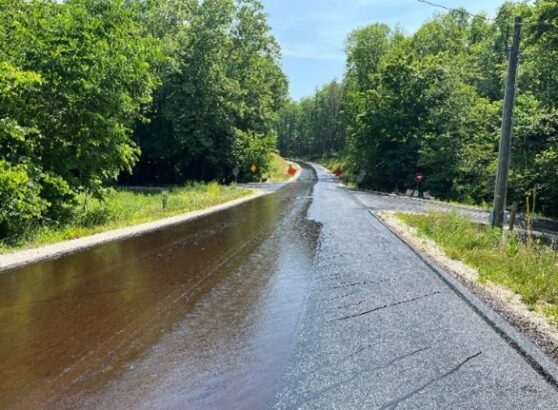
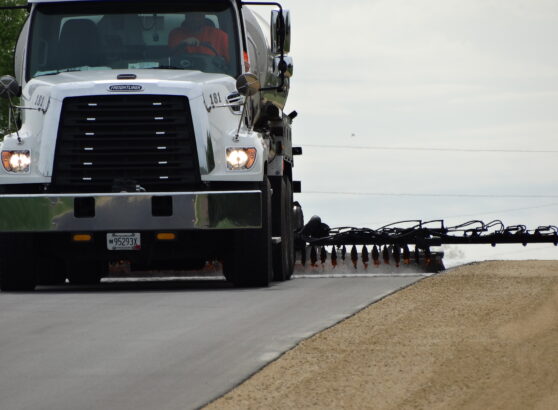
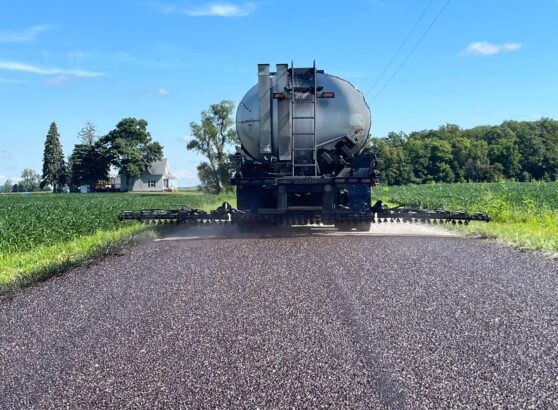
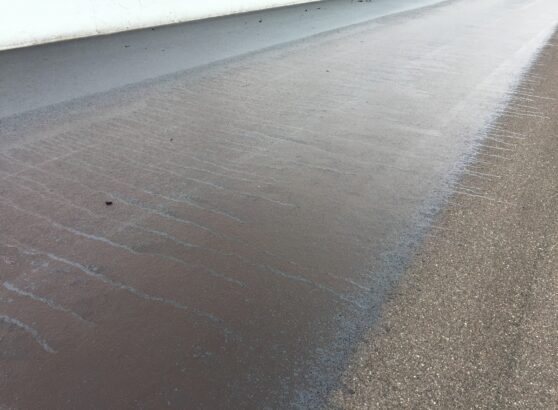
Rock, Marquette and Sheboygan counties use rapid penetrating emulsions like AMIGUARD™ RPE and its rejuvenator counterpart, RPE-R, from Asphalt Materials, shortly after construction while the pavement is still in its early-life stage. Why? Because addressing exposed air voids early slows oxidation, improves durability and delays maintenance treatments, saving them money over the lifespan of the pavement.
Duane shared results from a four‑mile test section in Rock County, where each mile was treated differently:
- No treatment
- J-Band only
- RPE only
- Both RPE + J-Band
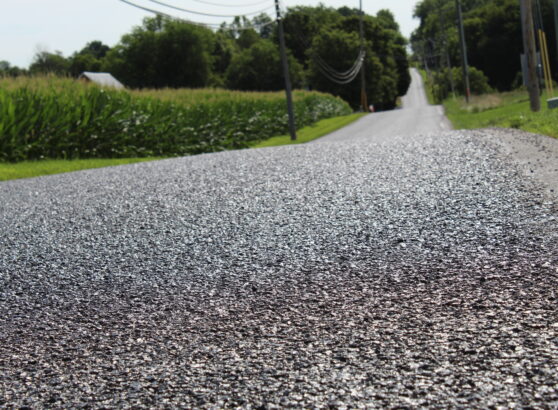
The combined treatment sections stayed smoother, darker and less raveled — enough that he pushed chip sealing out an extra four to six years. That’s real money saved that can be used for different network improvements.
Strategic Preservation with Chip Sealing
Fond du Lac and Wood Counties once abandoned chip sealing due to resident complaints about their new pavements being covered so early. And although the counties were working to preserve their roads longer while stretching taxpayer dollars further, they needed a new approach.
With budgets tightening and pavements aging fast, the option to chip seal returned with a smarter strategy. By leveraging different early life treatments soon after paving, counties were able to preserve surfaces longer and delay the need for chip seal until later, bringing more value and fewer complaints.
Wood County’s Rolland Hawk assures the new approach is effective: “Our ultimate goal is to do our pavement preservation starting right after we repave a road.”
This pavement preservation strategy resulted in a win-win for budgets and the traveling public.
Understanding Your Road Base
After a few tough project-starts, Rock County discovered that they needed better record-keeping of what was underneath their roads to determine the best path forward. Duane explained, “As a commissioner, how am I supposed to justify what type of project we’re supposed to do if I don’t know what the base is?”
The county built a soil boring program to investigate the base of each road before selecting treatments, allowing them to confidently navigate construction planning and removing the guesswork that could end up costing them.
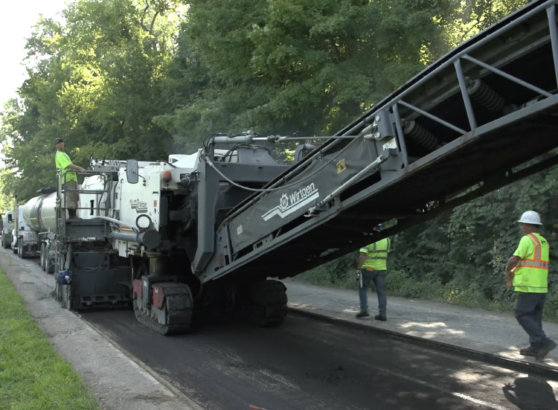
Wood County learned this the hard way; on one pulverizing job, crews expected four inches of asphalt. They hit 18 inches before finding the bottom, making a two‑day job a two‑week undertaking.
These counties shared valuable learning experiences that brought them to treat base investigation as critical infrastructure work, not an optional step.
Designing Test Roads for Real Traffic and Real Data
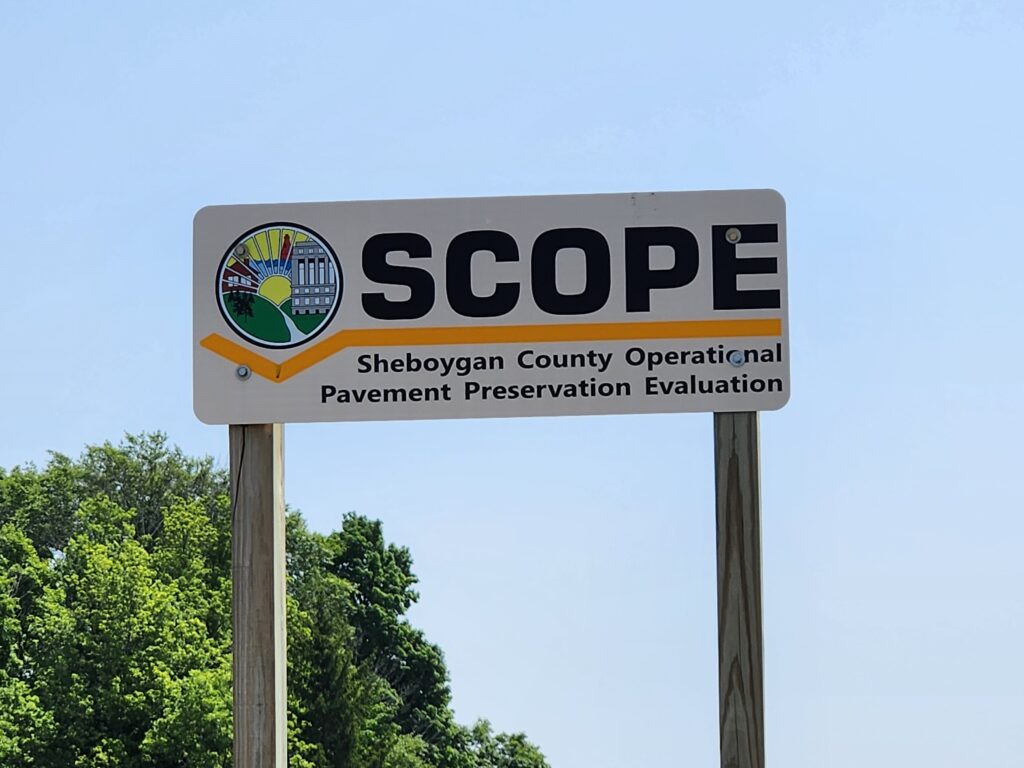
Sheboygan’s SCOPE Road may be the crown jewel of pavement preservation experimentation in Wisconsin. These six miles of heavily traveled roadway were segmented and treated with different preservation techniques to discover what was going to work best for the county.
Olson is proud of the way the sections have held up after the preservation treatments. “If I brought you out there today and asked how old it is, you’d probably be wrong,” he exclaimed.
This research endeavor shows a true commitment to finding the best treatment approach, and it’s the kind engineers and road managers can be most confident in.
Extend Pavement Life, Reduce Risk, Protect Investment
Every commissioner echoed the same equation:
Longer pavement life = fewer reconstruction years = millions saved over decades.
Instead of chasing shiny new techniques, they’re chasing smarter preservation planning that results in:
- Fewer crack sealing weeks
- Fewer flagging operations
- Fewer crew exposures to traffic
- Pavements that last 25–30 years instead of 15–20
Or as Greg, the moderator, reminded the audience: “Your roads are the county’s biggest investment. They’ll last longer if you treat them early, not after they fail.”
Watch the full recording as an on-demand session, eligible for one PDH/CEU credit.
Are you interested in learning more about pavement preservation? https://roadresource.org/ has tools and additional webinars that can help you find the best road treatments options for your network.
We’re here to help! We can offer our expertise in evaluating pavements and guidance toward solutions tailored to your specific roads and overall network. Reach out to our team.
































































Recent Comments