
Employee Spotlight: Diane Franseen
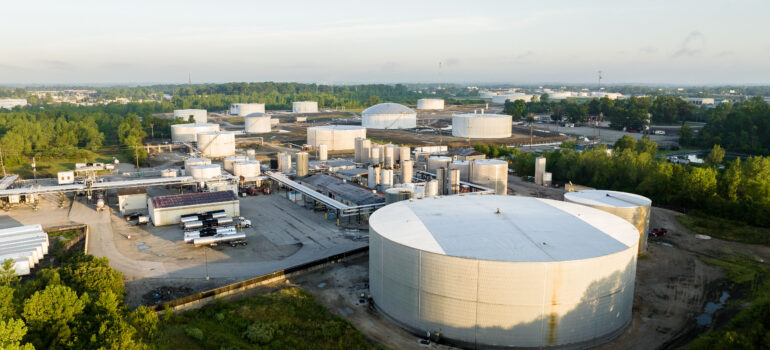
Meet Diane Franseen, Lab Manager at the Asphalt Materials, Inc. (AMI) Portage Terminal, H.G. Meigs! For more than 26 years, Diane has been integral in ensuring the quality of our material production.
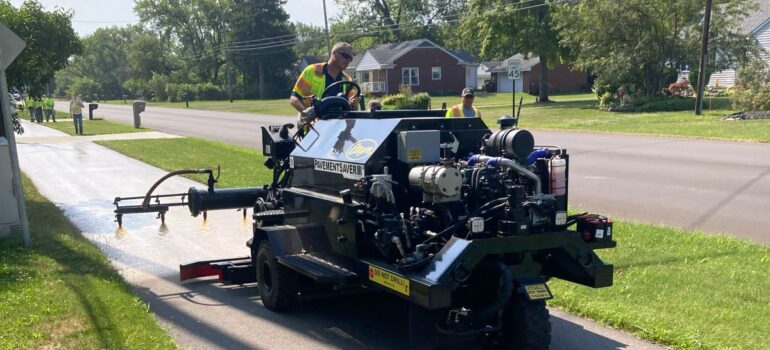
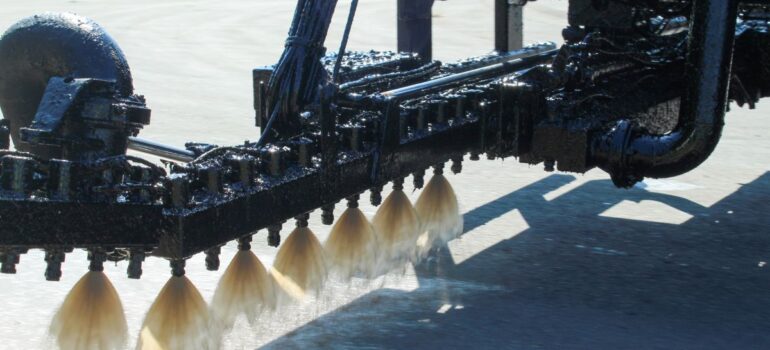
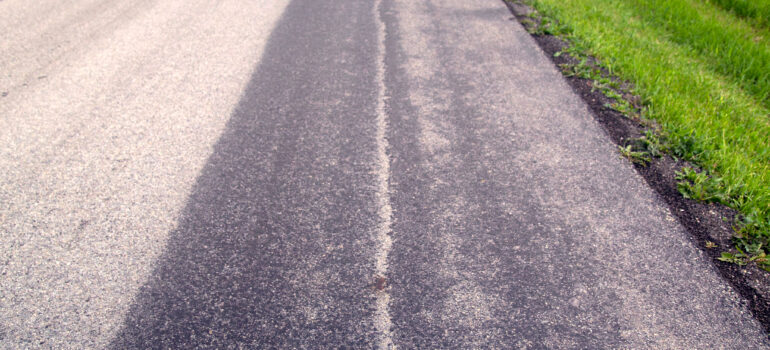
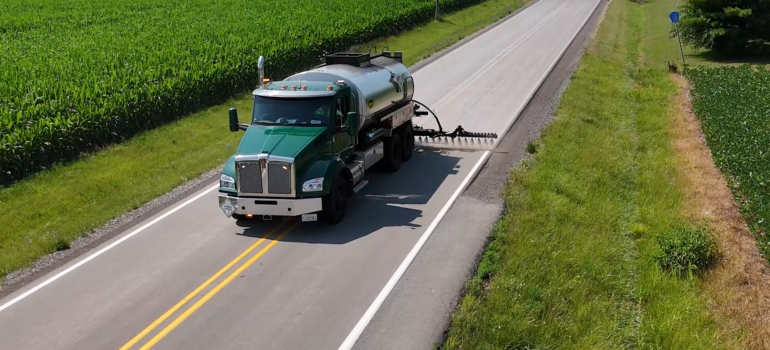
This season, Monroe County, MI added to its long-standing commitment to building stronger pavements through the application of AMIGUARD™ Rapid Penetrating Emulsion Rejuvenator (RPE-R), a spray-on asphalt rejuvenator from Asphalt Materials, Inc. (AMI). The work included applications on several county roadways as well as the newly constructed Monroe Loop Path, a walking and recreational trail stretching approximately 6.3 miles, demonstrating how application methods can be adapted for use on a variety of asphalt assets.
In 1956, Asphalt Materials, Inc. (AMI) began with a mindset that would define the next seventy years: never stand still.
Asphalt Materials, Inc. (AMI) is proud to support the Asphalt Emulsion Manufacturers Association (AEMA) and its Leadership Education for Asphalt Preservation (LEAP) program, an initiative dedicated to developing the next generation of leaders in the asphalt emulsion and pavement preservation industry.
Topical (“spray-on”) asphalt rejuvenators are an effective preservation solution to mitigate the effects of asphalt binder aging. Effectiveness of these treatments is determined by how the rejuvenator interacts and impacts mechanical behavior of the existing asphalt in response to traffic, climate and time. Rheological testing of the asphalt binder therefore provides the most practical and objective framework for evaluating rejuvenator performance.
When confronted with the need to widen a road, Union County, OH found this cost-effective approach using recycled asphalt and cold mix asphalt.
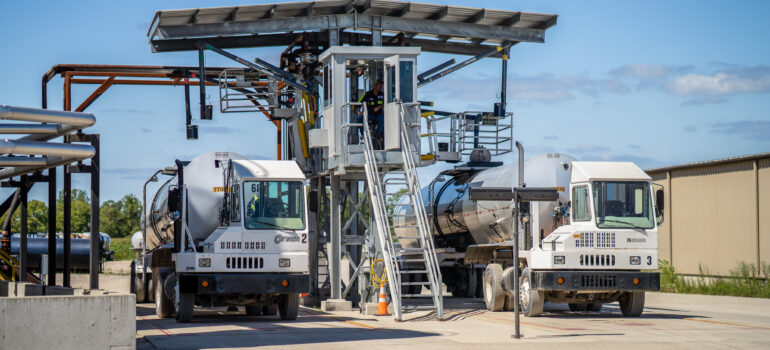
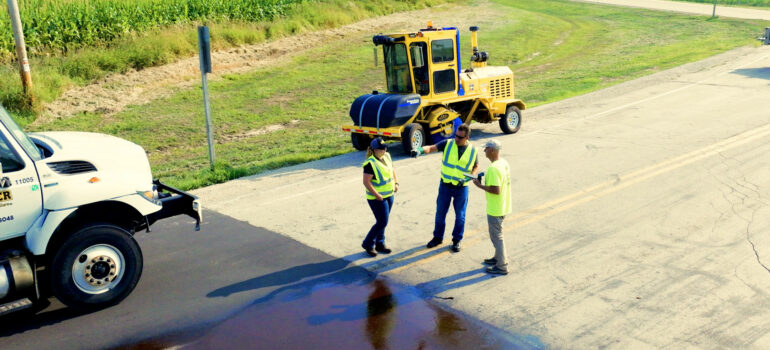
Road projects depend on materials arriving exactly when and where they’re needed. When deliveries happen without interruption, schedules stay on-track and work keeps moving forward.
That reliability doesn’t happen by accident. It’s the result of a logistics team working continuously behind the scenes to anticipate needs and manage the details so customers can focus on building longer‑lasting, safer roads.
Asphalt rejuvenation has been used for decades as a pavement preservation tool, but advancements in the category are not reflected in today’s spray-on asphalt rejuvenator (SOR) conversations. As a result, performance is often measured using outdated and sometimes proprietary frameworks, creating a disconnect in what’s being measured and what actually drives pavement performance. The challenge is not that rejuvenators lack supporting data, but that success metrics have not been reassessed as new technologies and research have emerged.
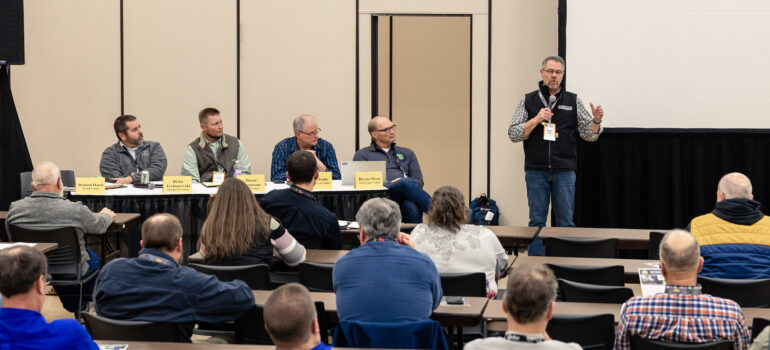
When five Wisconsin highway commissioners recently gathered to talk pavement at the Wisconsin County Highway Association winter meeting, the conversation wasn’t small talk — it covered managing lane miles, overcoming air voids and understanding treatment options that can extend road life. Each leader carried the same mission: make roads last longer, cost less and perform better, despite stagnant budgets and growing challenges.
Pavements rarely decline from well-maintained to failing in performance overnight. They tend to deteriorate gradually through small cracks, small deformations, moisture intrusion and surface aging that can go unnoticed until the damage is unmistakable. Across the industry, this pattern raises a larger question: why wait to preserve pavements until deterioration is visible, costly and disruptive?
Recent Comments