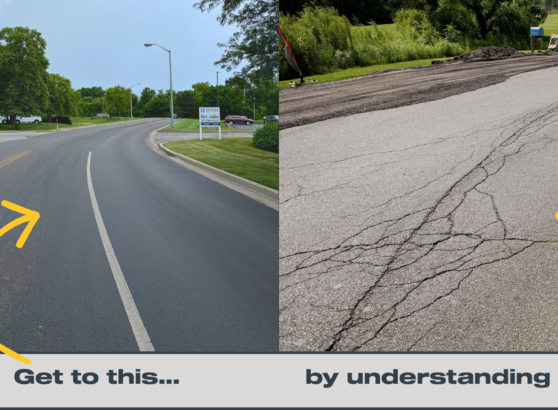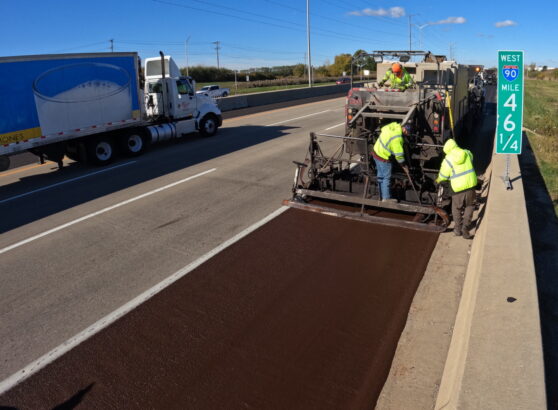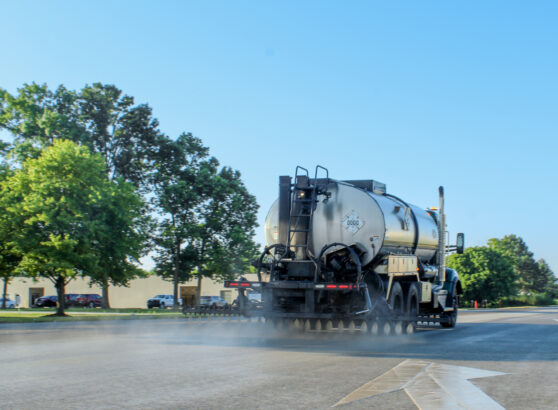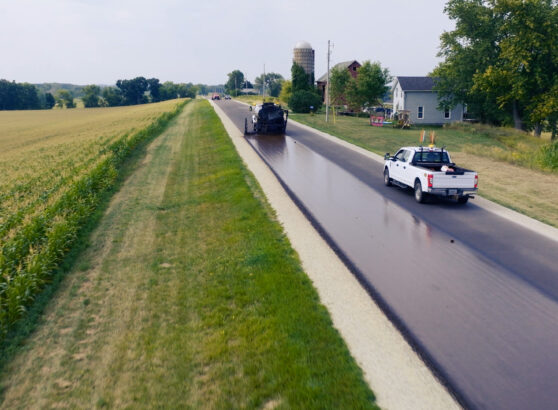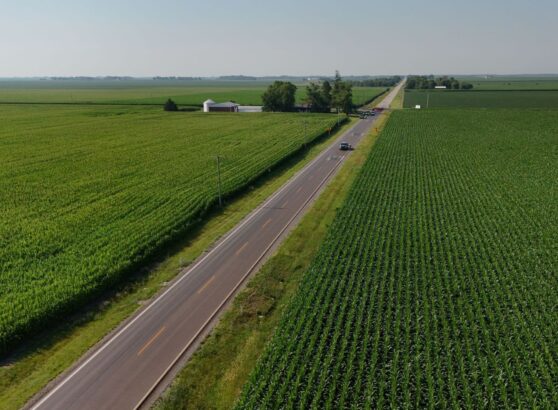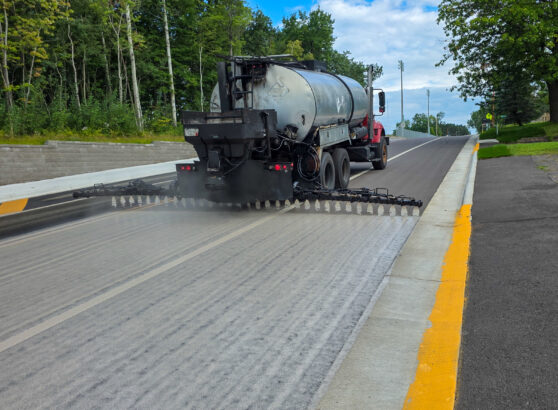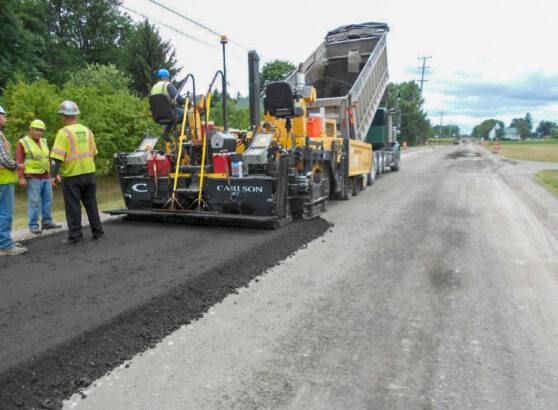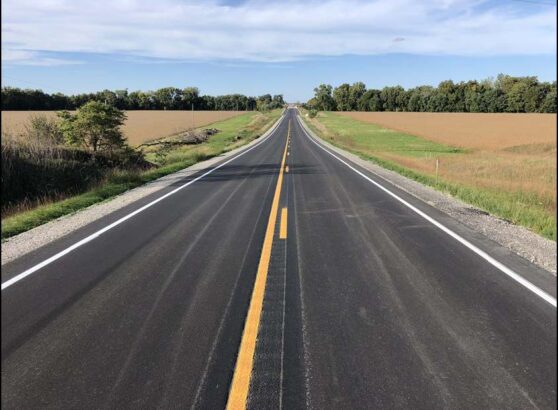
Every pavement network deteriorates over time, but not every roadway follows the traditional deterioration curve that leads to costly rehabilitation or reconstruction. The most successful agencies understand that the right pavement preservation treatment, applied at the right time, can extend pavement life, improve condition and delay more expensive repairs.
Whether you’re evaluating single treatment options, developing a preservation strategy or looking for proven field applications, this resource center provides industry-backed research, tools and solutions to help support informed pavement management decisions.
Contents:
- What is pavement preservation?
- Why timing matters
- How to select the right treatment
- Pavement challenges and accompanying resources
- Help selecting the right treatment
Or, jump to the challenge your pavement is facing:
- Longitudinal Joint Deterioration
- Oxidation & Aging
- Cracking & Permeability
- Raveling & Surface Wear
- Rutting & Moderate Surface Distresses
What is Pavement Preservation?
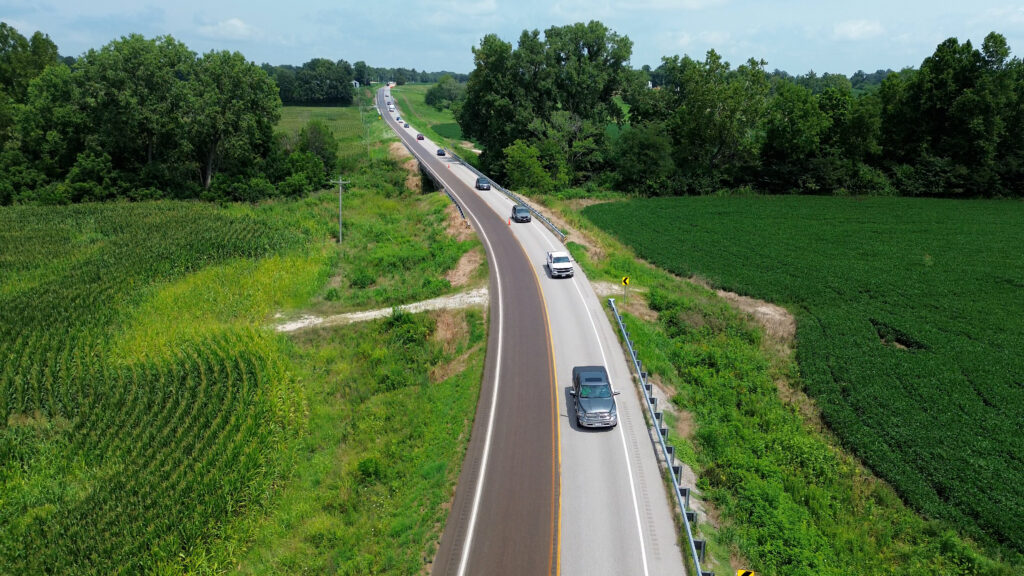
Pavement preservation is a strategic approach to extending pavement life through cost-effective treatments applied before significant structural deterioration occurs. Unlike rehabilitation or reconstruction, preservation treatments are designed to protect existing pavement assets, slow the rate of deterioration and improve long-term network performance.
When applied at the right time, pavement preservation treatments can help agencies:
- Extend pavement service life
- Reduce lifecycle costs
- Improve ride quality and surface performance
- Preserve investments
- Delay costly rehabilitation and reconstruction projects
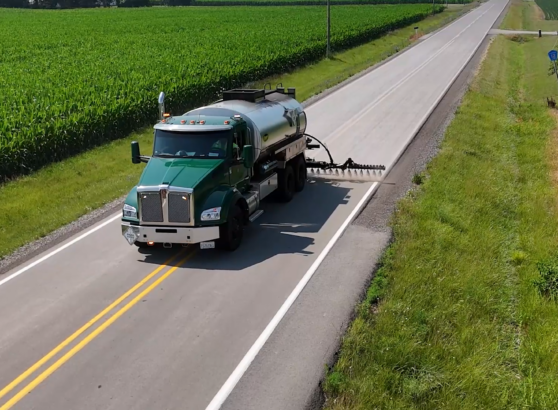
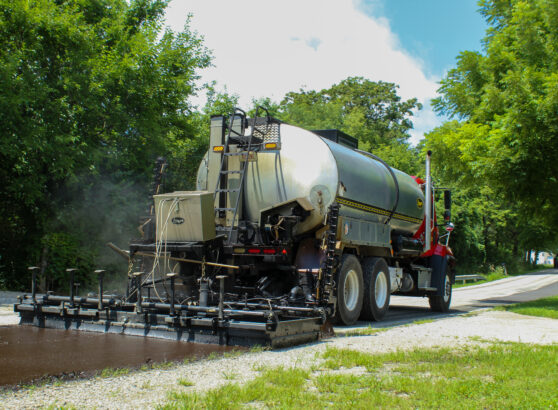
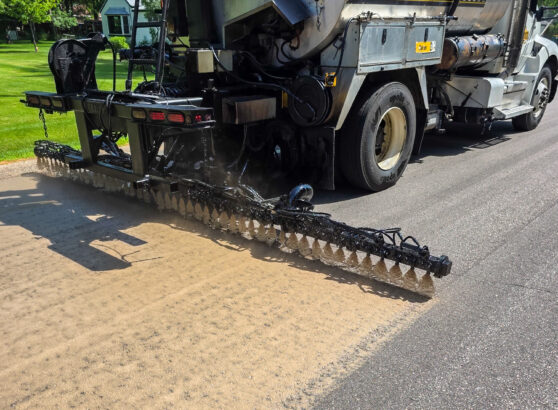
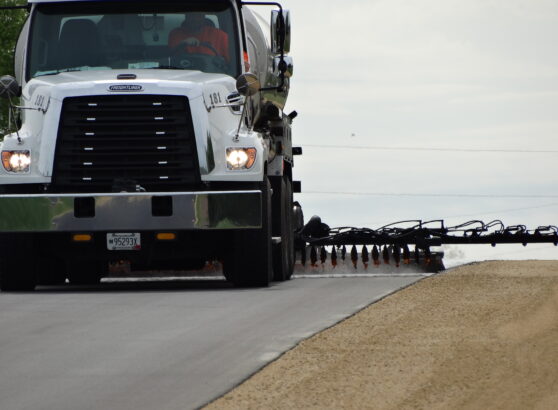
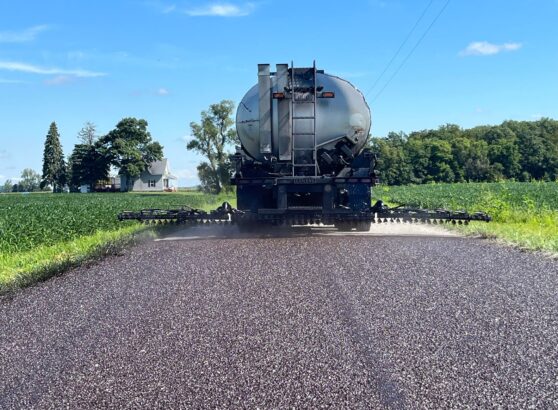
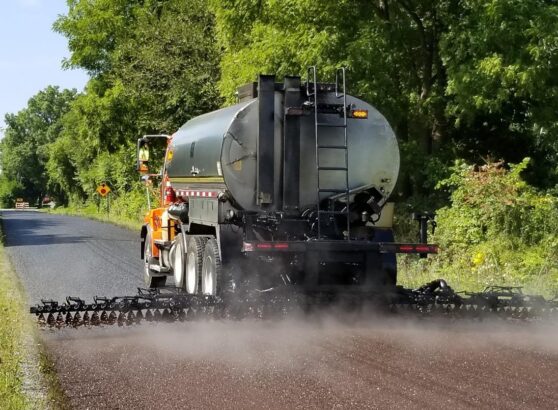
From chip seals and micro surfacing to penetrating emulsions and asphalt rejuvenators, preservation treatments can help agencies maximize budgets while maintaining safe and reliable roadways.
Why Timing Matters in Road Management
The effectiveness of any pavement preservation strategy relies on timing. Pavements typically experience a slow decline early in their service life, followed by a period of accelerated deterioration as cracking, oxidation and moisture intrusion increase. Addressing these early signs of deterioration allows agencies to preserve pavement performance before structural damage develops, when treatment options become more limited and project costs higher.
How to Select the Right Treatment for Your Road
No single preservation treatment is appropriate for every roadway; treatment selection should consider factors such as:
- Pavement age
- Existing distress types
- Traffic levels
- Climate conditions
- Structural condition
- Agency performance goals
The most effective preservation programs focus on matching the treatment to the pavement’s current condition and applying it before deterioration accelerates. Rather than relying on a single solution, many agencies achieve the best long-term results by utilizing multiple tools within the pavement preservation toolbox. Combining treatments throughout a pavement’s service life allows agencies to address different distresses as they emerge.
Use the pavement challenges below to identify common distresses, utilize available resources and learn how different preservation strategies can help extend pavement performance.
Longitudinal Joint Deterioration
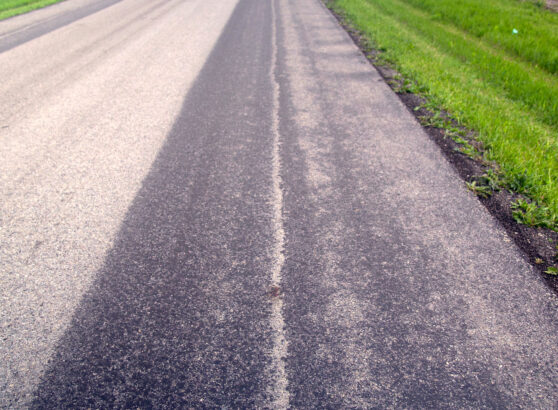
Pavement Challenge: Longitudinal joints are often the first area of an asphalt pavement to experience deterioration.
Poor joint density and increased permeability can allow water to infiltrate the pavement structure, leading to raveling, cracking and accelerated failure along the joint.
Common issues:
- Water infiltration
- Joint separation
- Reduced density
- Accelerated pavement distress
- Early maintenance needs
Common solutions:
- Assessing Joint Construction Methods
- Proper overlap techniques
- Density management
- Joint compaction best practices
- Material Applications (Pre- and Post-Construction)
- Improve durability, reduce permeability and prevent premature joint failure
- Examples include Void Reducing Asphalt Membrane (VRAM)/Longitudinal Joint Sealant (LJS) and Rapid Penetrating Emulsions (RPE)
- Joint Heaters
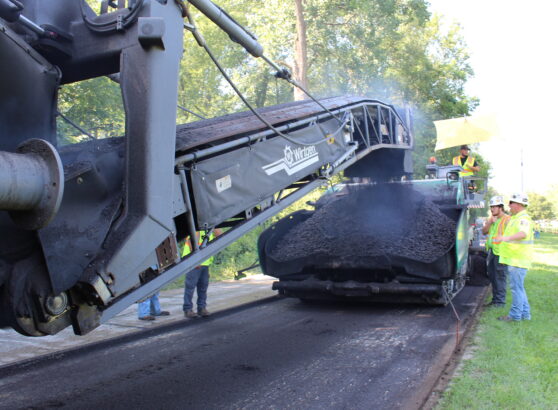
- Infrared heaters attached to the paver reheat the cold lane prior to placing the adjacent lane
- Joint Adhesives
- Applied to seal the face of open unconfined joints, these materials can be emulsions, asphalt binder or hot-applied, rubberized asphalt
- Edge Restraining Devices
- Attach near the roller to confine the edge during compaction
Learn More About Preventing Longitudinal Joint Failure
Federal Highway Association (FHWA) and Asphalt Institute: Improving Longitudinal Joint Performance
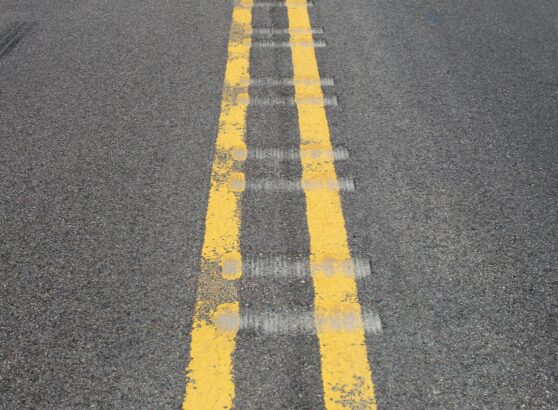
NRRA Study: Materials-Based Methods to Improve Rumble Strip Durability
J-Band®: Why Asphalt Longitudinal Joints Fail: Causes, Best Practices, and Prevention
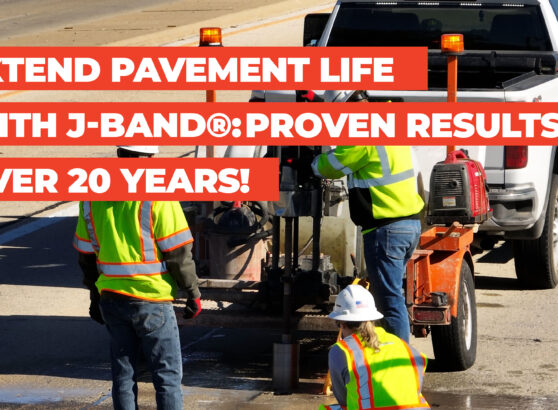
US-51 Case Study: VRAM Preserves the Longitudinal Joint for Over 20 Years
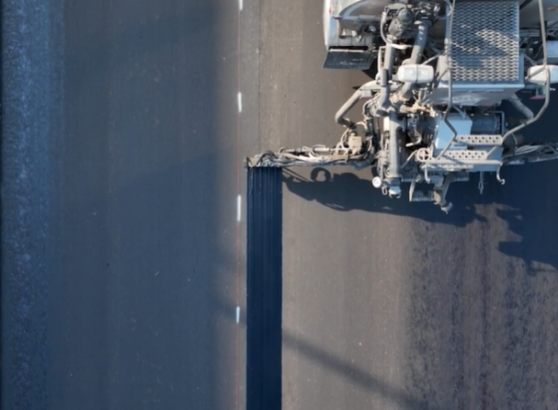
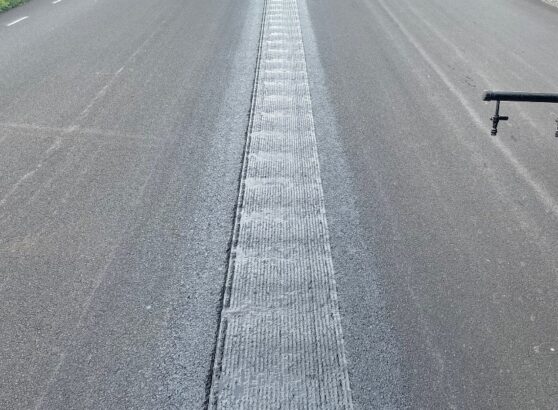
 J-Band® VRAM technology from Asphalt Materials, Inc. is a highly polymer‑modified liquid asphalt designed to reinforce longitudinal joints by reducing permeability and strengthening the pavement from the bottom up. Unlike joint sealants and adhesives that are applied after construction, J-Band is applied just prior to paving at the location of the future joint, where it migrates upward to fill air voids and protect the entire joint structure from water damage.
Oxidized & Aging Pavement
Pavement Challenge: Asphalt pavement naturally oxidizes as it ages, becoming stiffer and more brittle which can lead to cracking and deterioration.
Common distress signals:
- Surface aging
- Loss of flexibility
- Fine surface cracking
- Weathered appearance/fading
Common solutions:
- Rapid Penetrating Emulsions (RPE)
- Penetrate below the surface
- Slow moisture penetration
- Physically fill surface voids
- Asphalt Rejuvenators
- Restore aged binder properties
- Improve durability
- Reduce permeability
- Extend pavement life
Learn More About Addressing Oxidation and Aging
PPRA: Rejuvenating Fog Seal Emulsions
MnDOT: Evaluation of Proprietary Rejuvenators
Rejuvenator Case Study: AMIGUARD™ RPE-R Rejuvenates Pavement in Wood County, WI
 The engineered capabilities of AMIGUARD™ Rapid Penetrating Emulsion Rejuvenator (RPE-R) from Asphalt Materials, Inc. allow the material to penetrate below the surface to help restore flexibility in aging asphalt pavements, fill interconnected air voids and improve mastic continuity.
Cracking & Permeability
Pavement Challenge: Even small cracks can create pathways for water to enter the pavement structure.
Once moisture infiltrates the pavement mixture, deterioration can accelerate through stripping, freeze-thaw cycles and base weakening.
Common issues:
- Transverse cracking
- Longitudinal cracking
- Surface permeability
- Mastic loss between aggregate
Common solutions:
- Fog Seal
- Seals minor surface voids
- Reduces raveling
- Slows moisture intrusion
- Chip Seal
- Seals surface cracks
- Improves waterproofing
- Restores skid resistance
- Scrub Seal
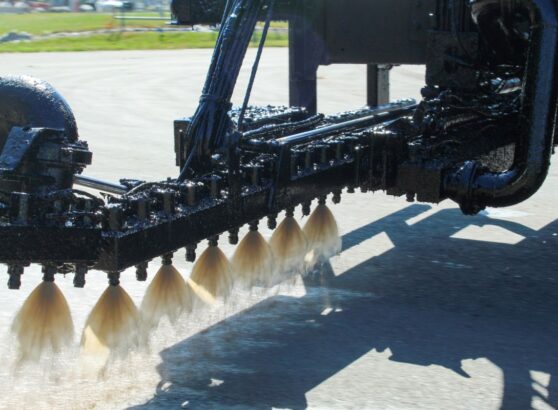
- Forces emulsion into existing cracks
- Seals pavement surface
- Provides enhanced crack treatment
Learn More About Sealing Cracks to Prevent Moisture Intrusion
Local Road Research Board (LRRB): Effectiveness of Fog Seal on Chip Sealed Low Volume Roads
PPRA: Chip Seal Best Practices
Madison County, OH Case Study: Implementing a Successful Scrub Seal Program
Raveling & Surface Wear
Pavement Challenge: Raveling occurs when aggregate particles gradually dislodge from the pavement surface, leading to texture loss, reduced ride quality and increased susceptibility to moisture damage.
Common issues:
- Aggregate loss
- Surface texture deterioration
- Weathering
- Early ride quality concerns
Common solutions:
- Slurry Seal
- Restores surface texture
- Seals aged pavement surfaces
- Addresses light-to-moderate raveling
- Micro Surfacing
- Restores surface condition
- Improves friction
- Corrects minor profile deficiencies
- Performs well under heavier traffic volumes
Learn More About Restoring Surface Conditions
PPRA Webinar: Slurry/Micro Mix Design and Material Testing
PPRA: Micro Surfacing Best Practices
Micro Surfacing Case Study: A Proven Solution for Cost-Effective Pavement Preservation
Rutting & Moderate Surface Distresses
Pavement Challenge: Traffic loading, aging and surface wear can result in shallow rutting, reduced ride quality and other moderate surface distresses.
Addressing these conditions early can restore pavement performance without requiring major rehabilitation.
Common issues:
- Wheel path rutting
- Surface deformation
- Rough ride quality
- Minor profile deficiencies
- Moderate cracking and raveling
Common solutions:
- Micro Surfacing
- Restores surface condition
- Improves friction
- Corrects minor profile deficiencies
- Performs well under heavier traffic volumes
- Cape Seal
- Combines an application of chip seal, then micro surfacing or slurry seal on top
- Seals moderate cracks
- Prevents water intrusion
- Improves skid resistance and surface safety
- Highly Modified Micro Surfacing
- Enhanced rut resistance
- Increased durability
- Improved performance under higher traffic volumes
- Longer service life potential
Learn More About Correcting Road Profile and Improving Durability
eFlex Case Study: Tennessee Pavement on Track for 10+ Years of Service
 eFlex® Highly Modified Micro Surfacing from Ergon Asphalt & Emulsions is engineered to provide durable surface restoration for pavements experiencing moderate distress while preserving the existing roadway structure.
Still Not Sure Which Preservation Strategy Fits?
Every pavement network is different. Factors of individual roadways such as pavement age, traffic, climate, structural condition and agency objectives all influence treatment selection.
Helpful Resources
- Understand current conditions: PPRA Treatment Selection Resources
- Learn from peers: this PPRA Horizon Award Winners Webinar covers how each leader redefines network management
Need Assistance?
Whether you’re evaluating a pavement preservation program or developing a project-specific strategy, our pavement preservation specialists can help evaluate your roadway conditions, review project goals and identify preservation solutions that support long-term pavement performance.
eFlex® is a trademark used under license from Ergon Asphalt & Emulsion Inc., Jackson, MS
© 2026 Asphalt Materials, Inc. All Rights Reserved.