
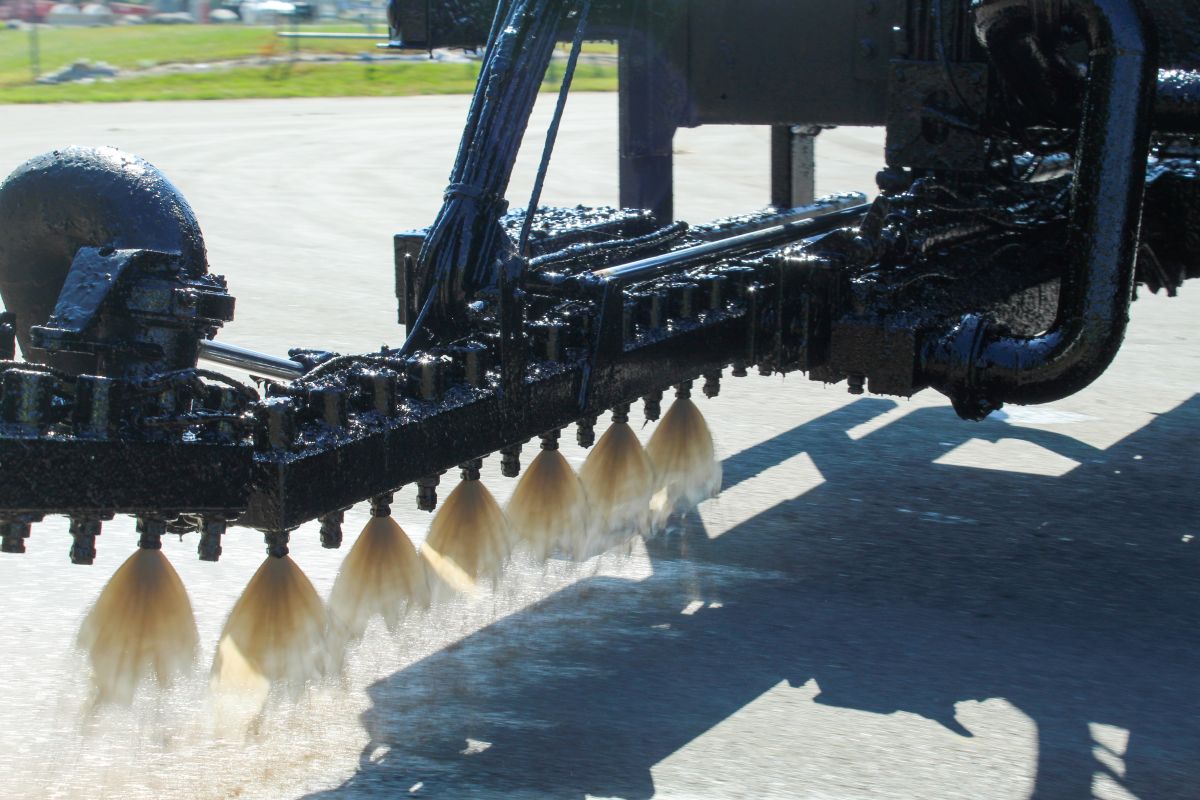
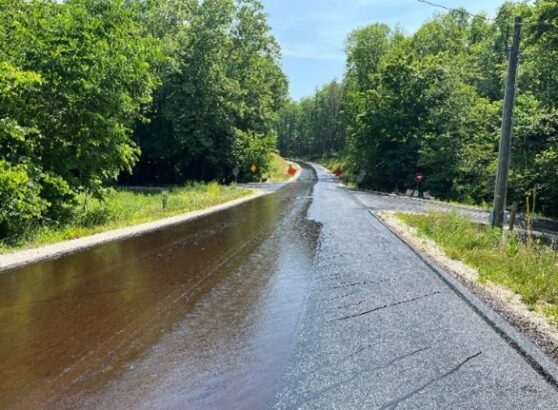
Topical (“spray-on”) asphalt rejuvenators are an effective preservation solution to mitigate the effects of asphalt binder aging. Effectiveness of these treatments is determined by how the rejuvenator interacts and impacts mechanical behavior of the existing asphalt in response to traffic, climate and time. Rheological testing of the asphalt binder therefore provides the most practical and objective framework for evaluating rejuvenator performance.
Asphalt Binder Isn’t a Solid or a Liquid — It’s Both
Most construction materials can be reliably classified as either solid or liquid within their standard service environment. Steel, for example, behaves as a predictable elastic solid, deforming under load and fully recovering its shape once the load is removed.
Asphalt binder, however, does not behave so simply; asphalt behaves solid-like at low temperatures, but at higher temperatures exhibits properties of a viscous liquid, softening and deforming if loads are sustained for long periods. Critically, the deformation response of asphalt is dependent not just on the magnitude of load and temperature, but also on time. Because of this, asphalt is best characterized as a viscoelastic material, and it is the key to understanding pavement performance.
The viscoelastic and temperature-sensitive nature of asphalt is a result of its composition. Asphalt binder is a complex hydrocarbon material — composed broadly of waxy and oily molecules that can be loosely assigned to four chemical categories: saturates, aromatics, resins and asphaltenes (often abbreviated as “SARA” fractions). SARA fractionation reduces a highly complex, continuous molecular spectrum into just four fractions, potentially masking or confounding critical differences in molecular size, polarity and functionality that strongly influence rheology and, hence, performance.
For this reason, rheology predicts pavement performance more reliably than chemical composition, and is the predominant framework used in the asphalt industry to measure asphalt binder properties. Furthermore, chemical fractionation ignores the temperature and time sensitivity of asphalt binder, a fundamental concept for understanding asphalt performance.
Don’t Measure What Asphalt Is — Measure How It Performs

Rheology is the study of how materials deform and flow under applied forces. For asphalt, rheology describes how the binder responds to stress, strain and temperature changes over time — factors that directly determine pavement performance. Will a road rut under heavy traffic? Will it crack in winter? How will it age over years of exposure? Rheological properties provide the answers.
Rheology is already embedded in everyday engineering specifications. For example, the asphalt industry’s Performance Grade (PG) specification system is built on rheological measurements. Rather than focusing on chemical composition, it classifies asphalt binders by how they perform across temperature ranges, linking material behavior directly to real-world conditions.
Rheology provides direct clarity for the most practical question “how will my asphalt binder actually behave under my expected traffic loads when exposed to my region’s weather environment?” which chemistry alone cannot explain.
The Limits of Chemistry Alone in Assessing Performance
Direct measurement of the SARA fractions without accompanying rheology data is unlikely to give the full picture of asphalt binder performance. Two asphalt binders with identical chemical compositions may behave very differently in the field because of contributing factors like crude source, refining processes and additives.
A chemistry-based approach looks at binder at a molecular level and predicts behavior from that, while a rheological approach uses empirical tests to observe how it is performing in response to simulated traffic and climate stresses. It can be said that while the chemistry of asphalt informs binder composition properties, rheology quantifies performance.
Once placed in service, the binder’s chemical structure changes. Over time, oxidation breaks down the lighter, flexible components of the binder, leaving it increasingly stiff and brittle and progressively more likely to develop cracks and start to ravel. Asphalt rejuvenators are designed to address these changes by restoring asphalt binder’s viscoelastic properties.
Rheology is the most meaningful framework for evaluating rejuvenator effectiveness — it measures the performance-related effects of aging and restoration on the asphalt binder after application, not just whether its composition has changed.
Performance Matters, Rheology Measures It
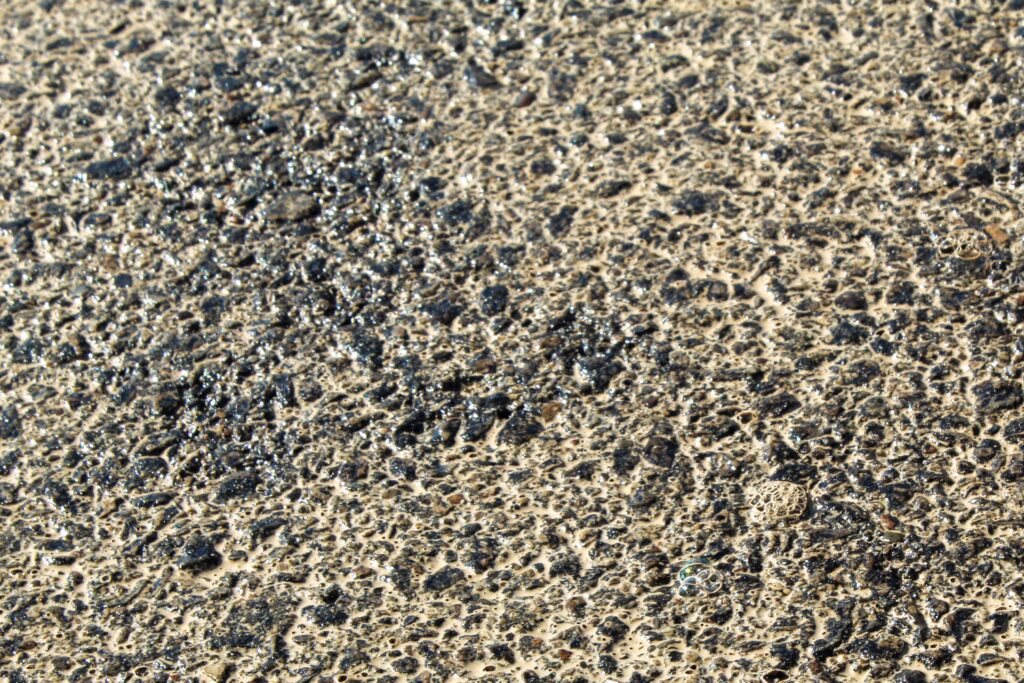
The objective of asphalt binder rejuvenation is not merely to modify chemistry — it is to restore functional and mechanical performance in aged pavements. The key question is not whether a binder’s composition has changed, but whether the rejuvenator improves or restores the performance of the asphalt binder.
Rheology provides the most direct way to answer that question by allowing practitioners to measure whether rejuvenated binders:
- Are resistant to traffic and climate induced distress across the entire service temperature range of the pavement
- Resist or mitigate the effects of oxidative and UV aging of asphalt
- Maintain durability over time
For agencies, this makes rheology the most reliable framework for:
- Specifying materials
- Evaluating supplier compliance
- Assessing field performance
- Managing long-term asset risk
Bottom Line for Agency Decision-Makers
For engineers responsible for balancing performance, cost and sustainability across large pavement networks, success relies on selecting treatments that deliver long-term results. Asphalt rejuvenators can play a role in achieving those outcomes, so long as their impact on pavement performance is accurately measured and understood.
Rheology provides a direct, measurable framework to evaluate this performance. By focusing on rheological properties of rejuvenated binders, agencies can confirm whether desired properties have been restored. This performance-based insight enables more informed treatment selections and builds confidence that the chosen strategies deliver long-term pavement outcomes.
Ready to move from analysis to action? Our team is happy to discuss rejuvenator performance and efficacy as it pertains to your specific pavement needs. Reach out to us!
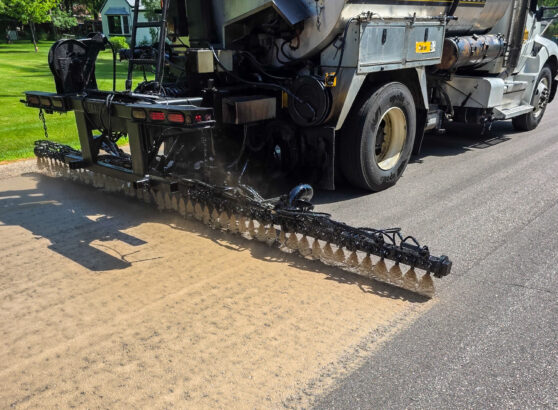
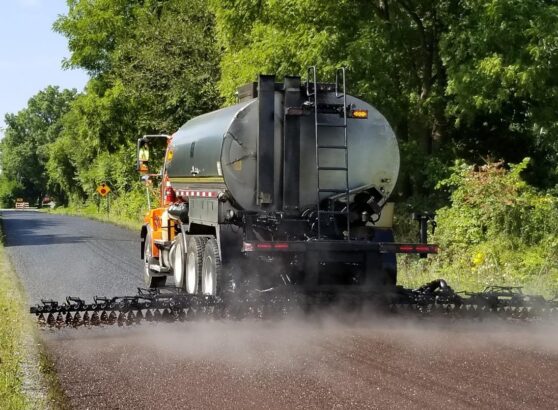
Learn more about AMIGUARD™ Rapid Penetrating Emulsion Rejuvenator (RPE-R), a spray-on asphalt rejuvenator from Asphalt Materials, Inc. See real-world applications and get the product sheet here. Schedule a demo to see the positive rheological impacts for yourself on your next project.








































































































Recent Comments