

As road networks continue to age and maintenance budgets face increasing constraints, agencies are tasked with building both safe and long-lasting pavements that result in long-term budget health. Rumble strips are one example of a necessary, widely adopted safety countermeasure.
Typically installed along centerlines or shoulders, rumble strips are a highly effective, low‑cost way to reduce lane‑departure crashes and improve driver awareness. Their safety benefits are well established, and for many agencies, they have become standard practice. But their influence on overall pavement performance can’t be ignored, and safety features must be supported by strategic design to remain functional and cost-effective.
Rumble Strip Impacts on the Longitudinal Joint
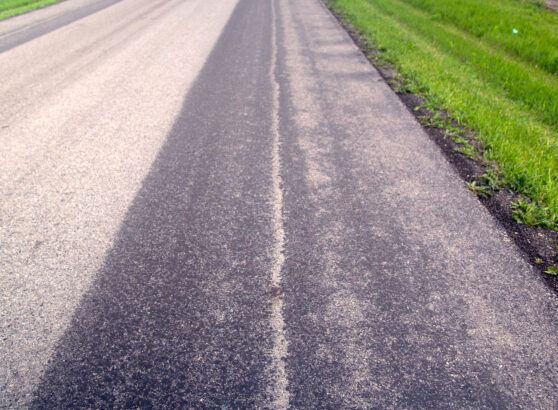
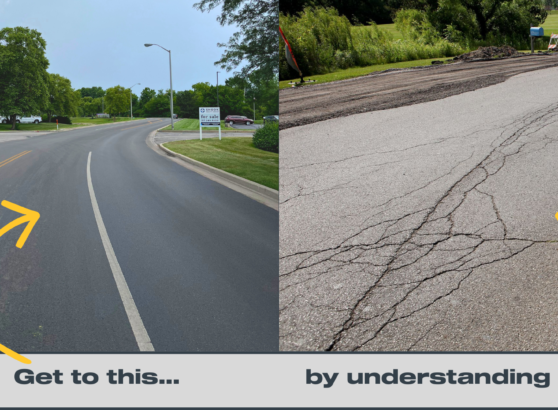
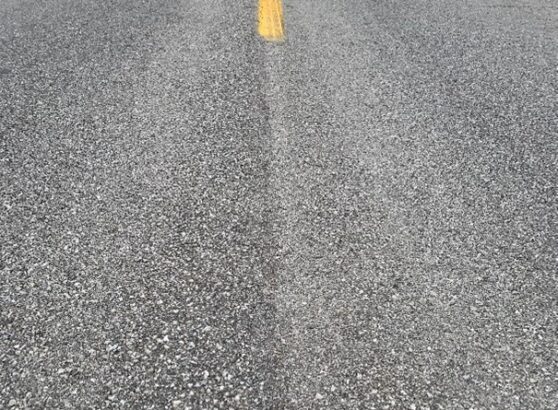
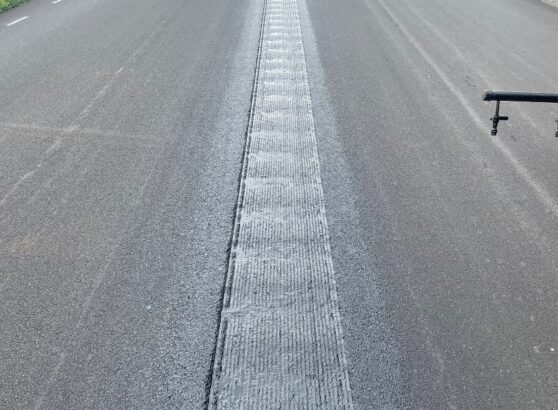
Milled centerline rumble strips (CLRS) are constructed over the most vulnerable part of an asphalt pavement, the longitudinal joint. Longitudinal joint distress remains one of the most common types of early pavement failure due to its lower density and higher exposure to air and water intrusion.
The construction of CLRS over this area then, is thought to further progress its deterioration. Because they are milled, the indentation creates an opportunity for water to pool and permeate into the pavement, potentially affecting its durability against stresses and traffic loads. While these factors do not negate the safety value of rumble strips, they do change the stress environment in which the pavement must perform.
This raises a broader question agencies are increasingly focused on: how can early, strategic decisions protect safety investments like rumble strips while controlling long‑term maintenance costs?
Research on Preserving Rumble Strip Durability
Recognizing this challenge, agencies and industry partners have turned to research to better understand how joint durability can be preserved in rumble‑strip pavements.
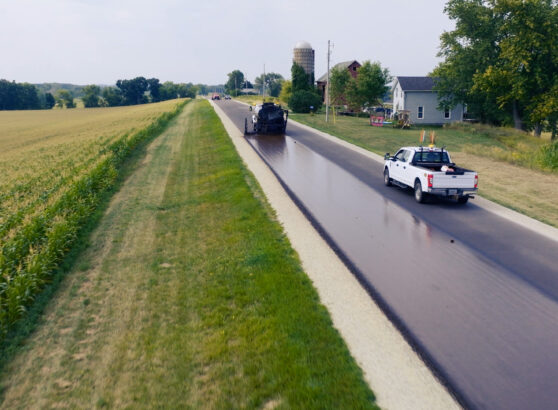
Recent research supported by the National Road Research Alliance (NRRA) sought to uncover best practices on material-based methods for improving joint durability. The study performed three full-scale field projects to assess the impacts of two material treatments known to improve longitudinal joint durability: Void Reducing Asphalt Membrane (VRAM) and Rapid Penetrating Emulsion (RPE), on rumble strip durability. To tackle the challenge of pavement permeability, VRAM approaches treatment from the bottom, while RPE works its way down from the top as a surface treatment.
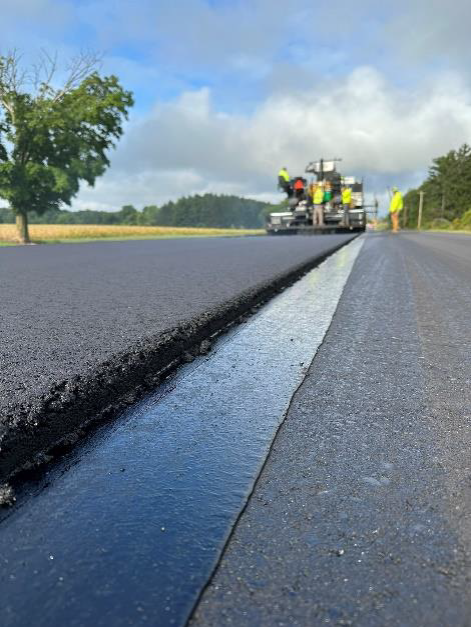
VRAM
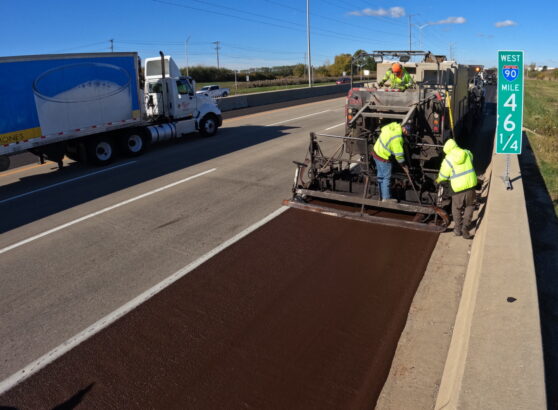
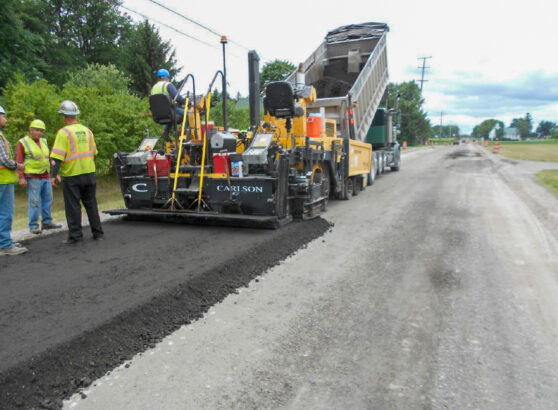
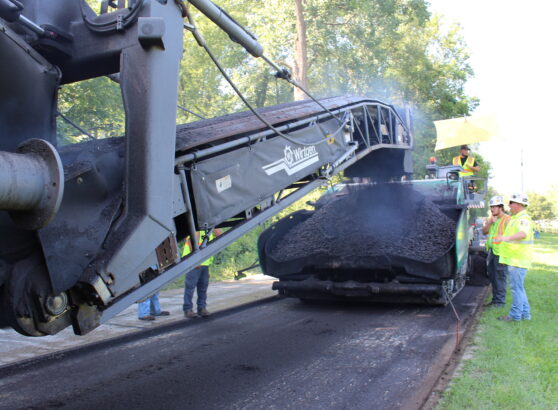
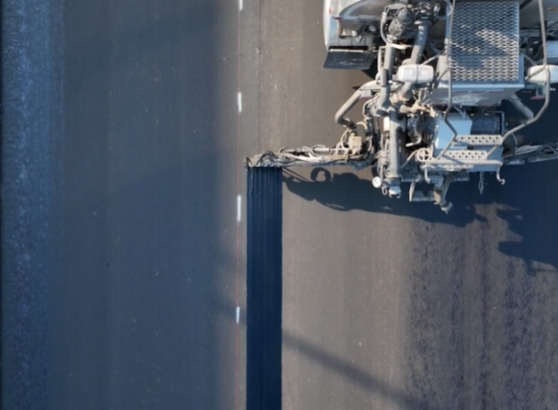
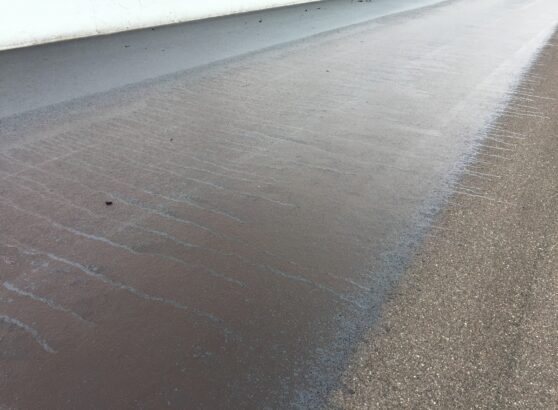
A VRAM is a polymer-modified asphalt material applied during construction of a pavement. When an asphalt layer is applied shortly after, the material migrates upward to fill air voids and prevent water intrusion that leads to longitudinal joint deterioration.
RPE
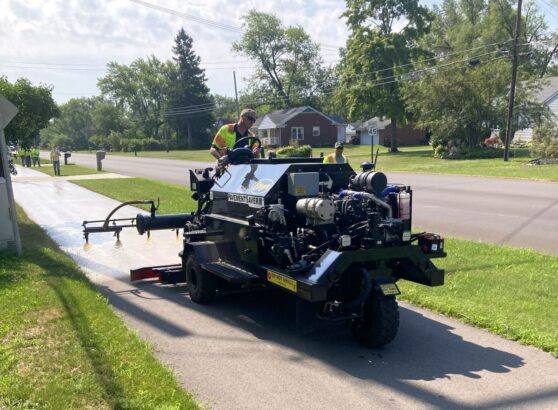
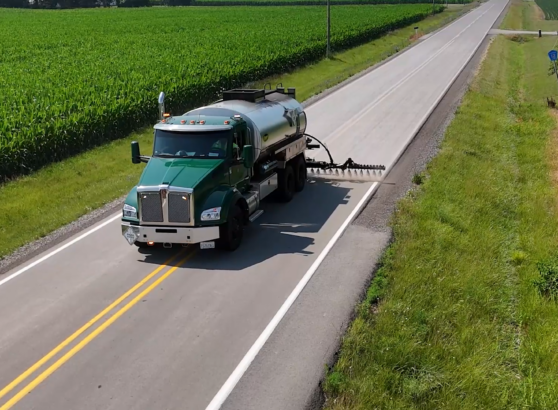
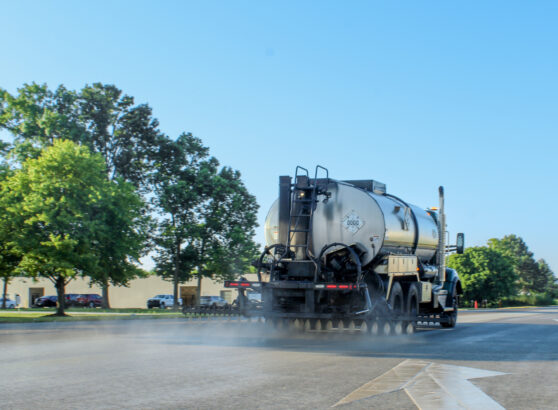
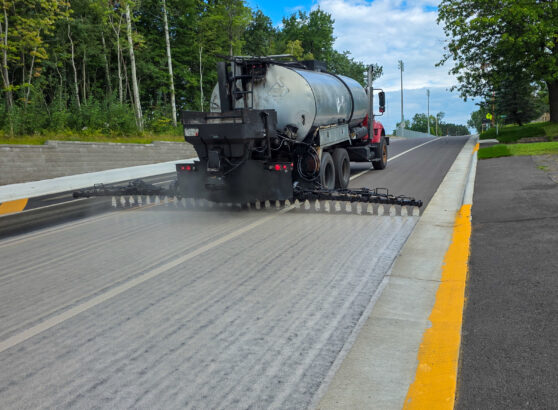
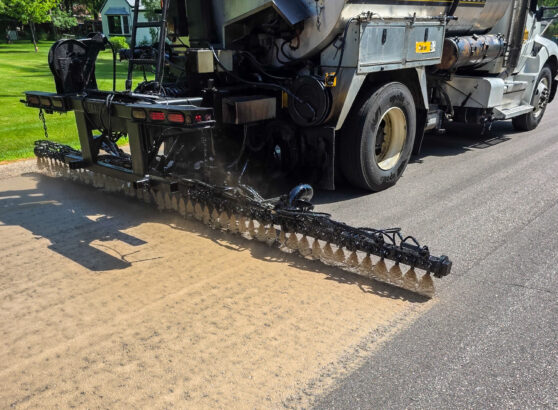
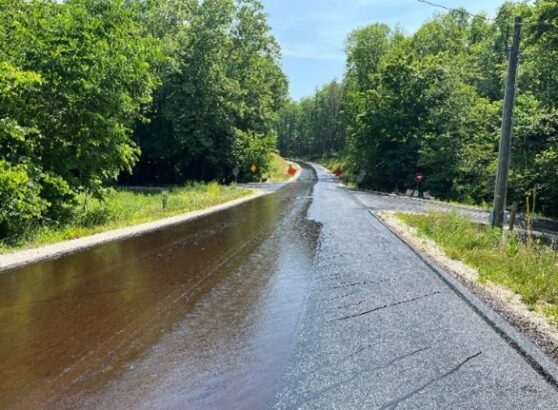
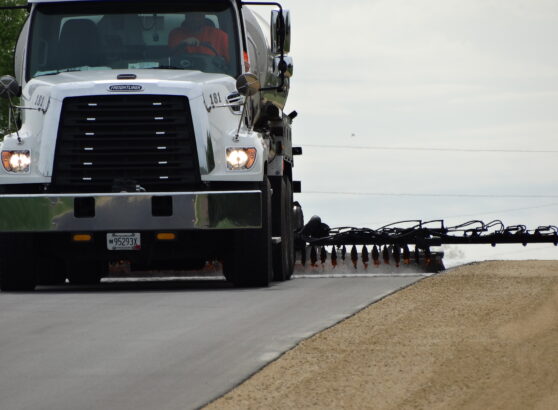
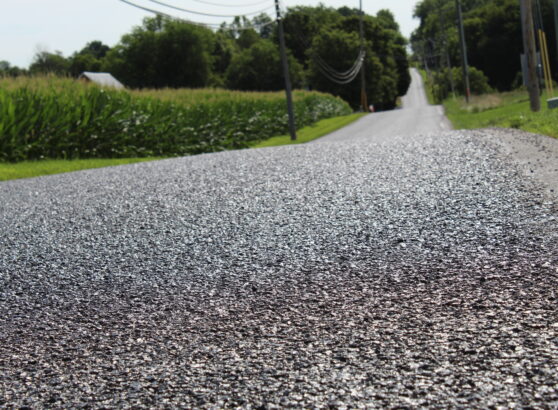
A rapid penetrating emulsion is a spray-applied asphalt emulsion designed to permeate into the pavement mixture to physically fill the interconnected void structure, preventing air and water intrusion. This early-life treatment is utilized within a few years after construction to tackle early signs of distress before further deterioration.
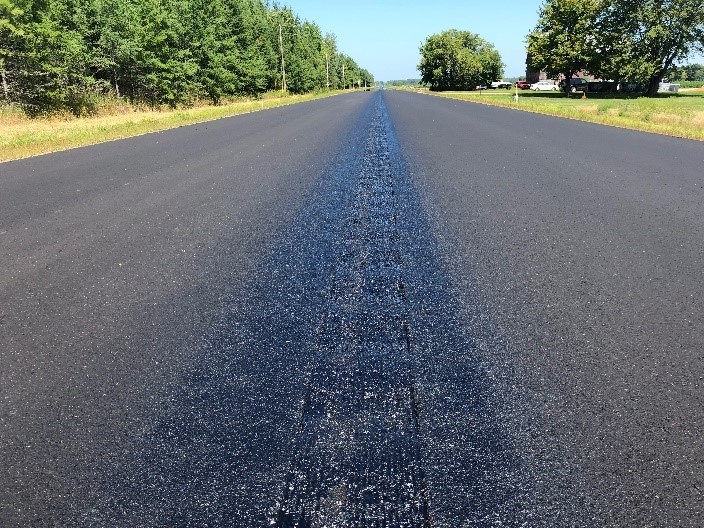
The study’s evaluations concluded that quality construction practices on the longitudinal joint are essential in delivering long-lasting durability. The assessed material treatments, standalone or in conjunction, increase the performance of these joints, with or without CLRS, without compromising safety benefits.
A Holistic Approach to Smart Pavement Design
The takeaway from this body of research is not that rumble strips create problems for roadways, but that joint construction must be addressed intentionally when they are part of the design.
Agencies are now approaching road management as an interconnected system, where a ‘toolbox mindset’ leads to different treatments working together to address road challenges more effectively. Those who recognize the advantage of proactive preservation strategies are better positioned to prolong maintenance timelines and save lifecycle costs.
If you’re interested in developing a stronger pavement preservation plan, reach out to our team for insight on specific treatments and proactive approaches.

































































































Recent Comments