
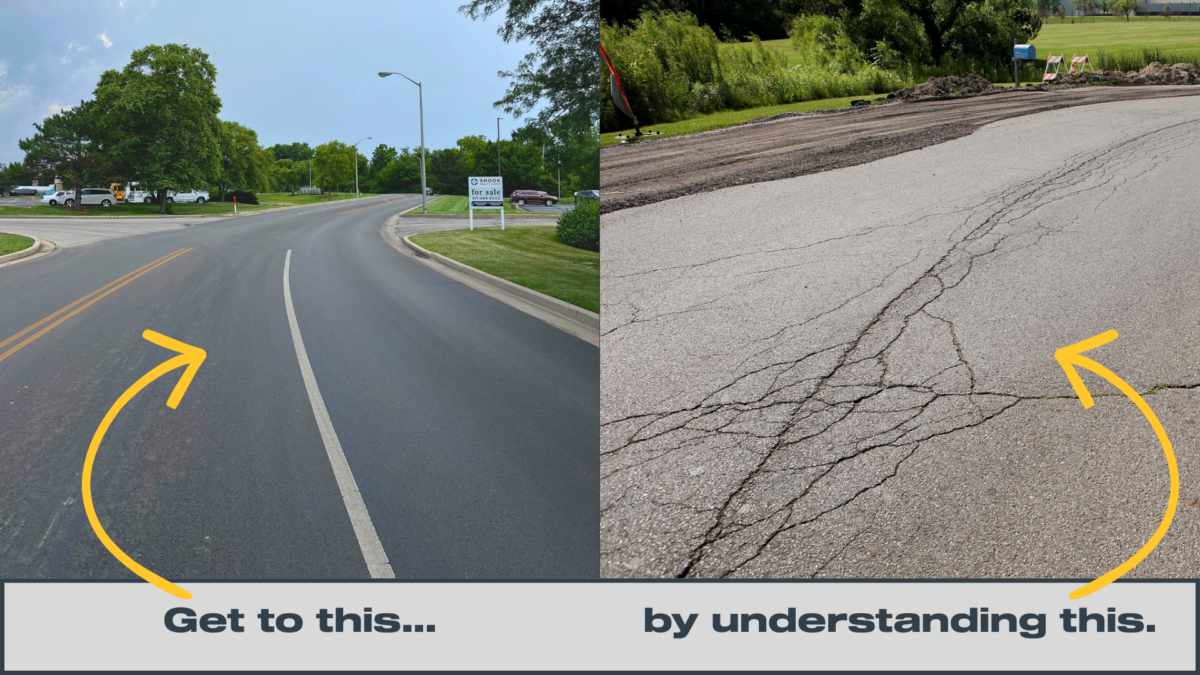
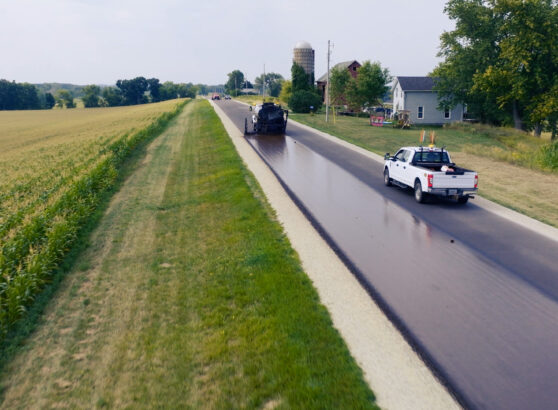
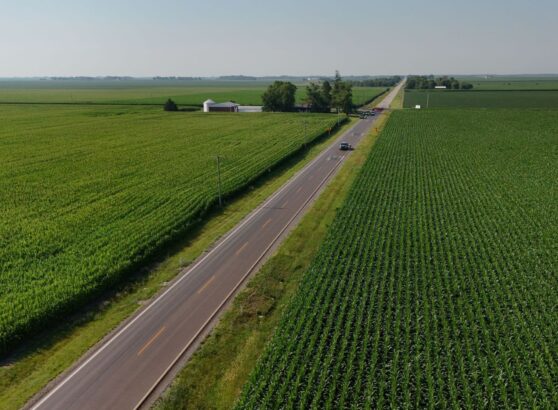
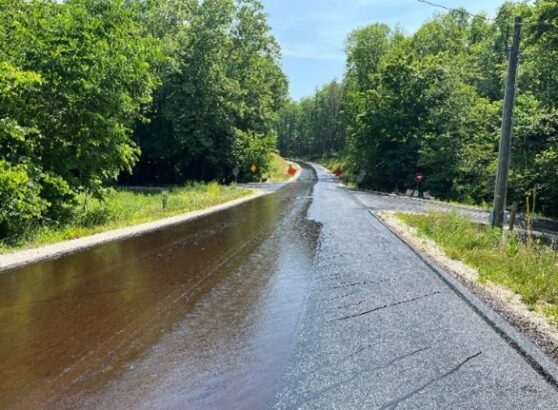
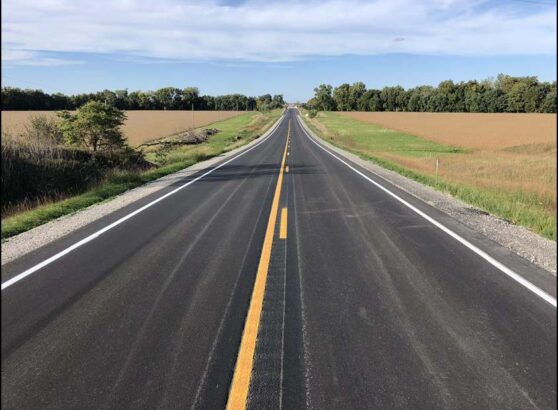
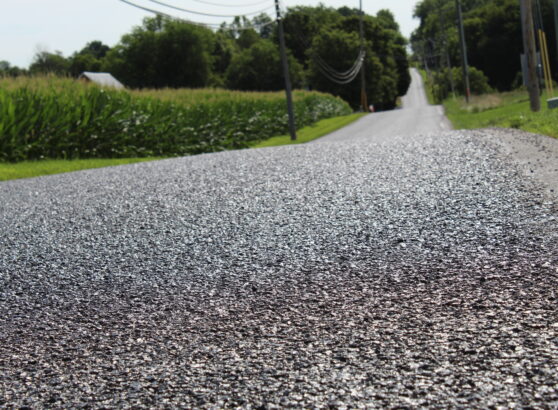
When a road looks and feels good, it’s rarely an accident. Pavement with a smooth ride and strong foundation is often the result of consistent assessment and strategic preservation that keeps good roads performing well year after year. Here’s how to read pavement distress to find the right treatment.
What Good Looks Like and How to Get There
To achieve a road network that looks good and performs well, it helps to recognize how deterioration begins, how it accelerates and which treatments deliver the best return when applied at the right time.
These are the building blocks of a strong maintenance plan:
- Objective assessments: implement a clear, consistent process for assessing roads in your network.
- Quality asphalt: partner with a collaborative, well-founded asphalt and emulsion supplier to support consistent performance.
- Right treatment, right time: have a variety of treatments in your maintenance toolbox and match them to address the distress that is observed.
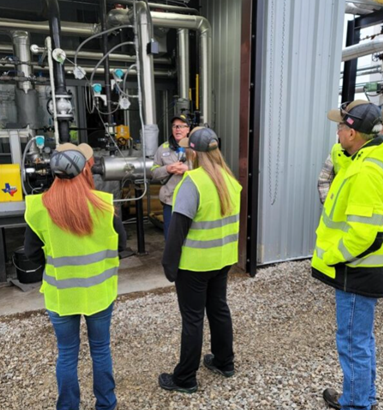
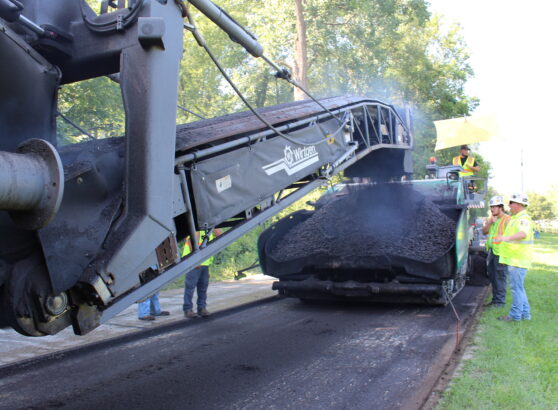
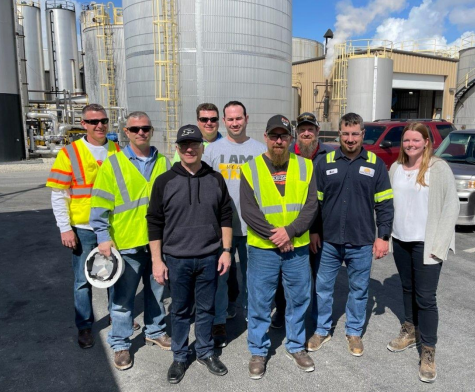
Because pavement distress has many contributing factors, experience is essential for recognizing the root causes and selecting the proper corrective measures. Results can improve even more when you have a trusted partner in the field. A team with boots on the ground support from road evaluations to on-site material best practices can help you turn a “good example” into everyday outcomes across your network.
If you’re unsure about what you’re seeing, we’re here to help review pavement conditions with you and outline practical next steps that fit your goals and budget.
Why Distress Matters in Pavement Preservation
Pavement distress refers to both visible and hidden signs of deterioration on asphalt surfaces. If ignored, these issues can impact more than aesthetics; they can compromise safety, ride quality and the overall lifespan of a roadway. Identifying distress signs early allows agencies to find a treatment solution before the problem requires costly maintenance and rehabilitation.
Identifying Functional vs. Structural Distress
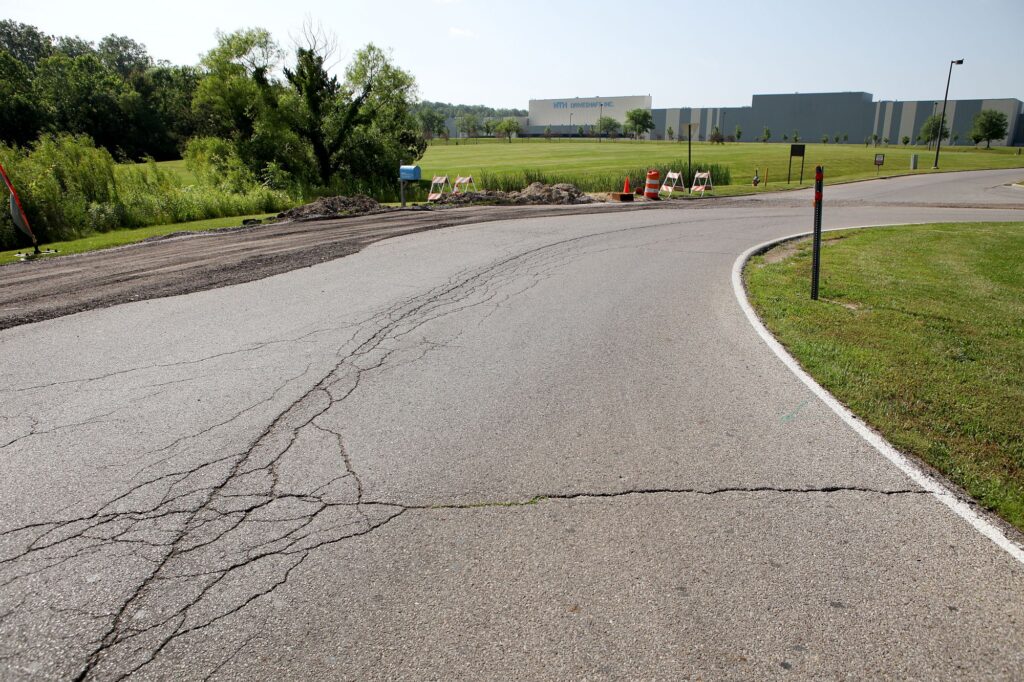
There are two main types of pavement distress: functional and structural distress. Understanding the difference is critical for planning effective pavement preservation strategies and maintenance approaches that save costs in the long-term.
Functional Distress
- Begins early, often from Year 0 forward.
- Primarily affects surface performance and ride quality, making roads less smooth and more susceptible to environmental damage.
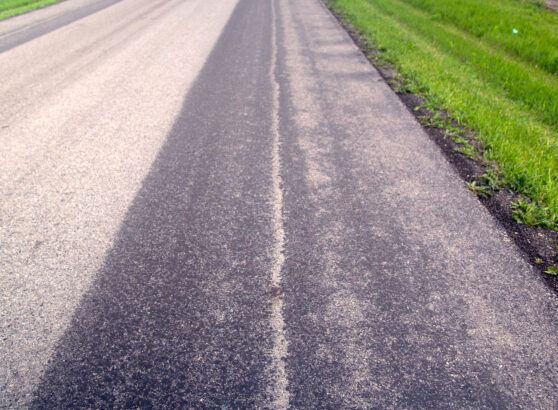
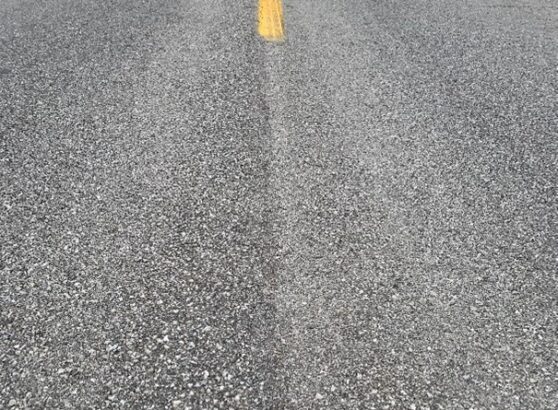
- Examples include asphalt film loss, permeability changes, mastic loss between aggregate and thermal cracking (transverse).
Structural Distress
- Develops slowly but accelerates rapidly once it starts.
- Compromises the pavement’s load-bearing capacity and overall integrity, often requiring more intensive rehabilitation.
- Examples include base failures, fatigue cracking and rutting.
PPRA has a helpful gallery of pavement condition photos to navigate distress identification.
How Distress Progresses Over Time
Pavement deterioration happens gradually, caused by factors like traffic loads, moisture, sun exposure and construction methods. Early signs of distress, like cracking, can seem minor, but they create openings that allow water to work deeper into the pavement structure, accelerating damage. When weak spots develop, they are compounded by continual traffic and weathering, eventually affecting the pavement’s structural integrity.
Catching signs of distress early is essential to finding the right treatment to preserve your pavement and prolong further damage. Following a proactive approach to road maintenance can extend road service life and maximize budgets.
Matching Pavement Distress to Treatment
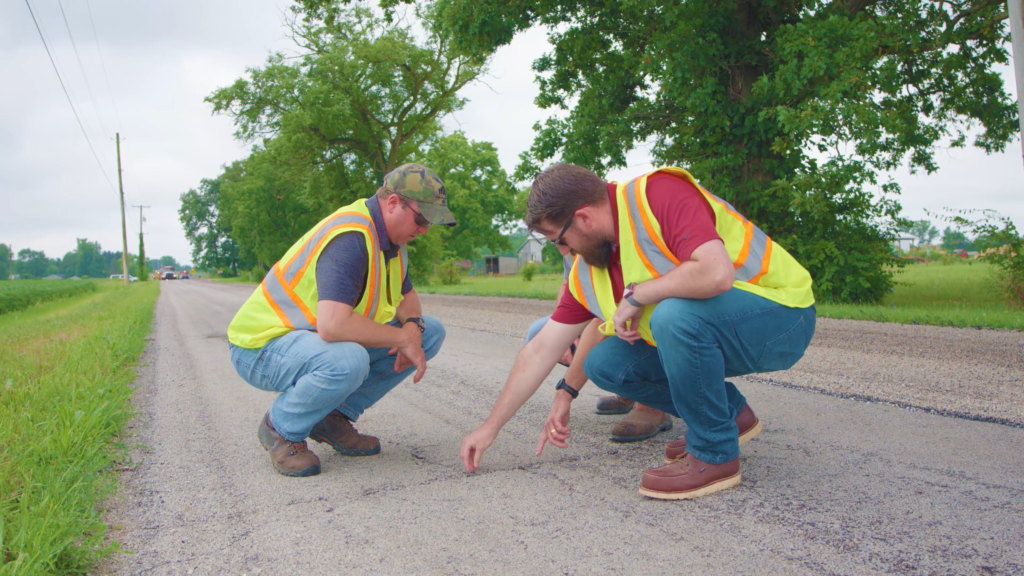
The concept of “matching the symptom to the prescription” is key when determining the appropriate treatment for pavement distress. Essentially, the type of distress you see should directly inform the treatment you choose. This idea aligns with our Road Resilience Preservation Philosophy, which emphasizes letting the specific road condition guide your treatment strategy. When agencies hold a diverse “toolbox” of treatments, each designed to address different symptoms, they gain the flexibility to respond to road conditions most effectively.
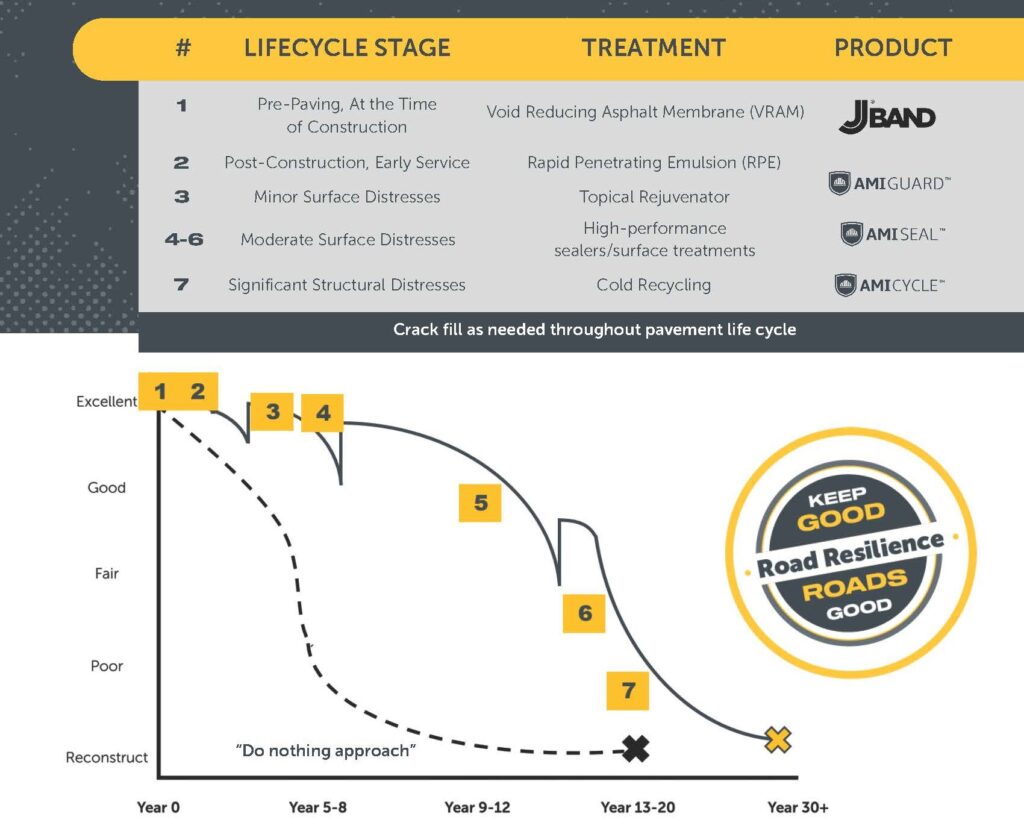
Different forms of functional and structural distress point to different treatment needs. For example:
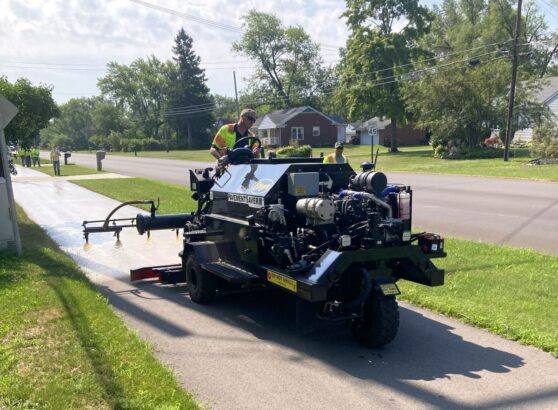
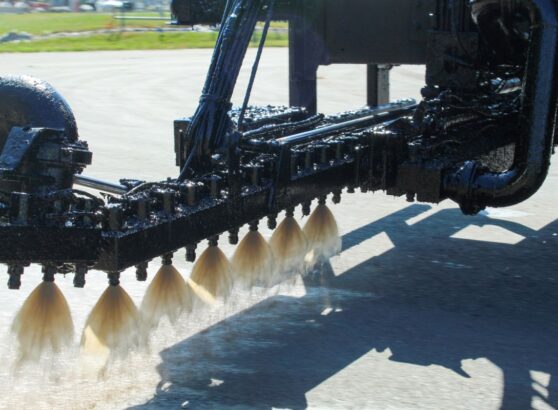
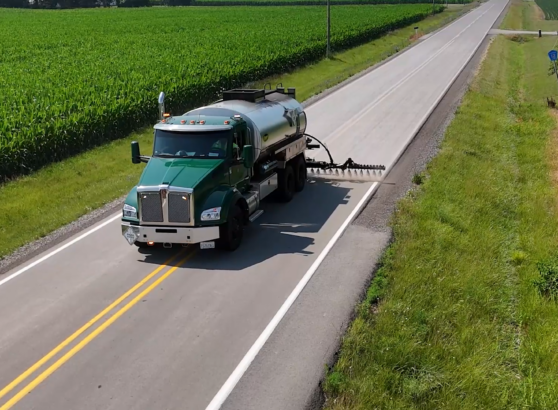
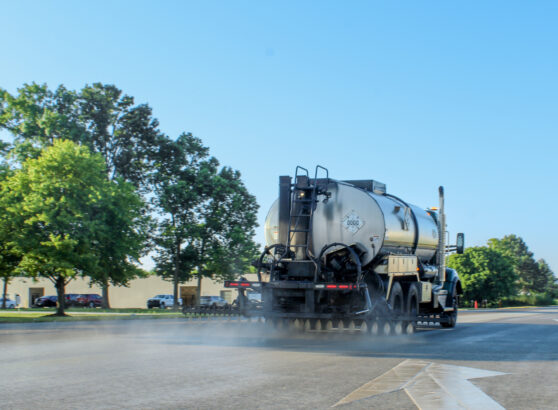
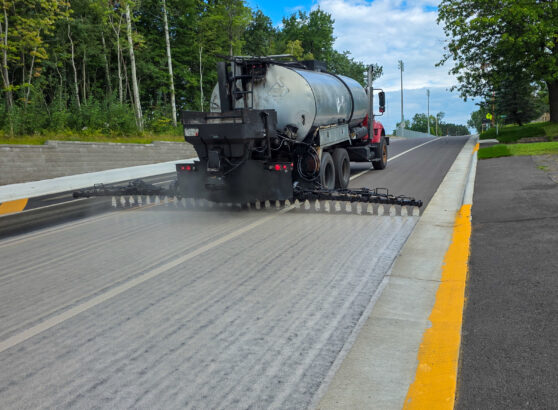
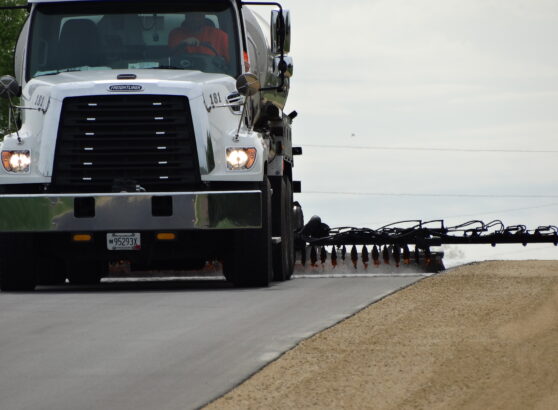
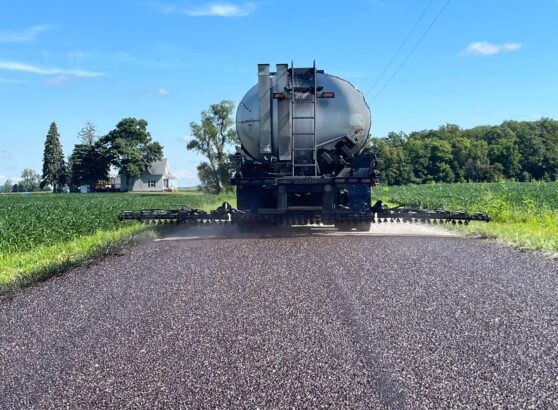
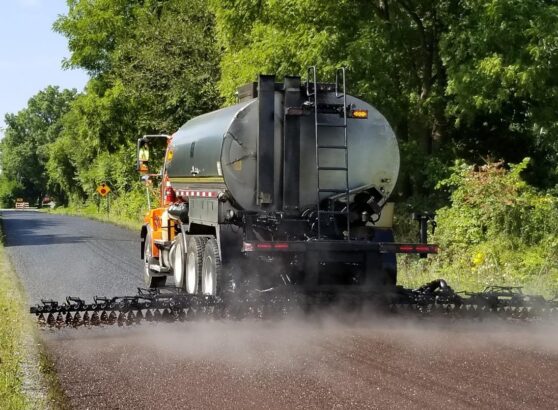
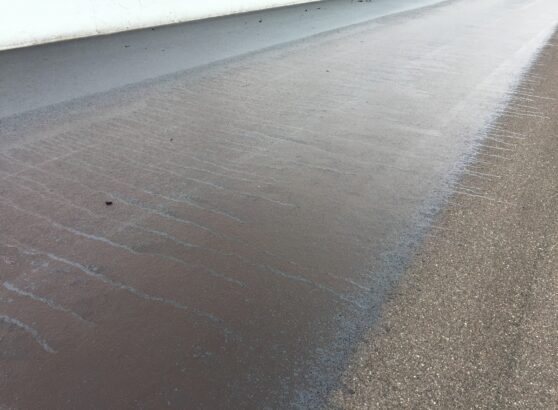
- Oxidation or raveling: These functional distresses signal binder aging or surface wear. Topical rejuvenators, like AMIGUARD™ RPE-R can address the effects of aging and improve flexibility, while high‑performance surface sealers, such as a fog seal, can help renew weathered asphalt and seal minor cracks and voids.
- Low‑severity rutting: Surface wear can create this functional distress and even lead to early structural damage. In these cases, micro surfacing can restore the profile and improve ride quality. And if your road is exposed to severe weather and snowplow wear, eFlex® highly modified micro surfacing can add an extra boost of durability.
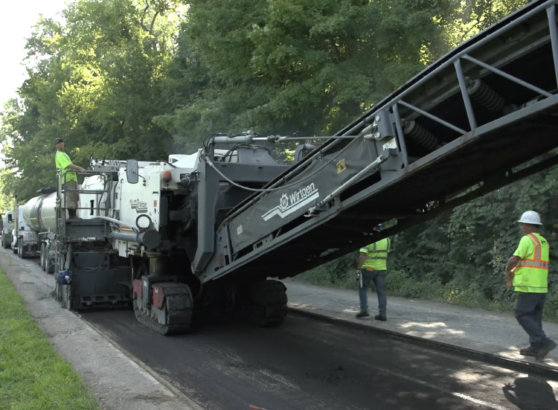
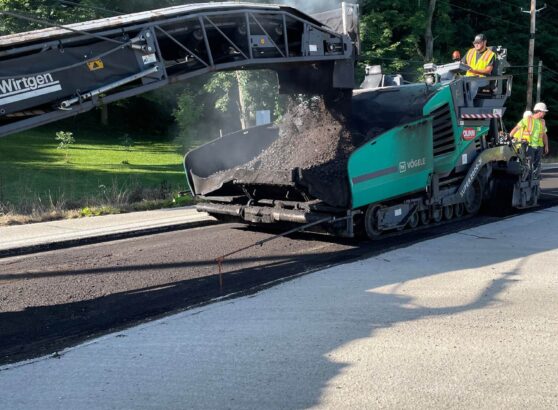
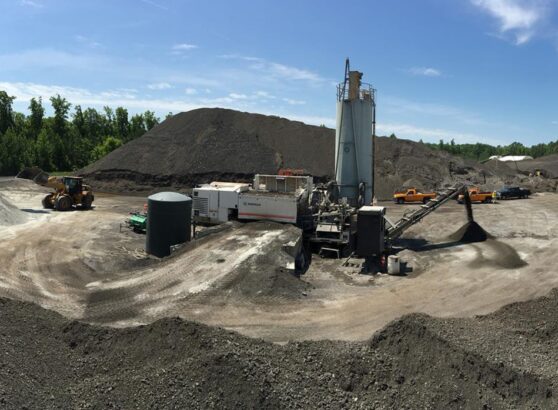
- High‑severity rutting: Deeper rutting causes more severe structural distress, typically requiring more robust treatments like cold recycling to rebuild structural strength.
- Fatigue Cracking: Pattern cracking indicates base or binder failures. Treatment best suited for this structural distress depends on severity. Low to medium fatigue cracking may benefit from solutions such as chip seals or micro surfacing, while higher severity is more likely to require rehabilitation or reconstruction methods such as AMICYCLE™ Full Depth Reclamation (FDR).
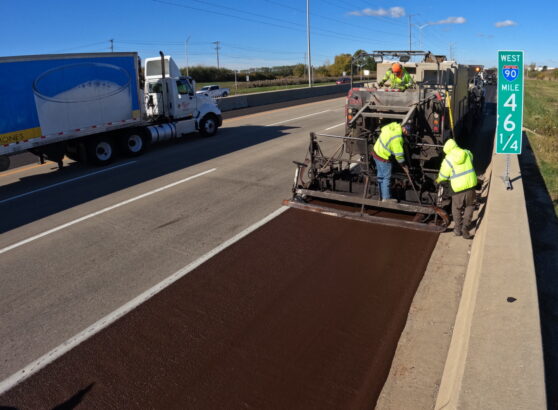
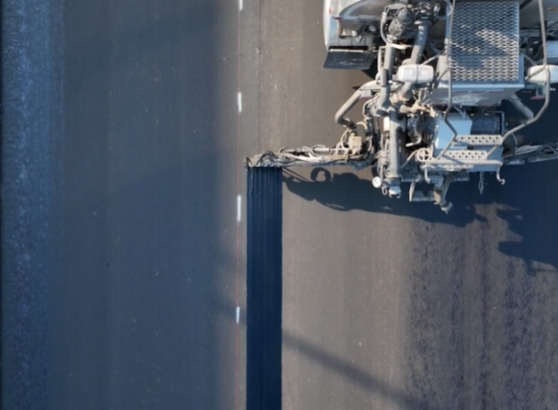
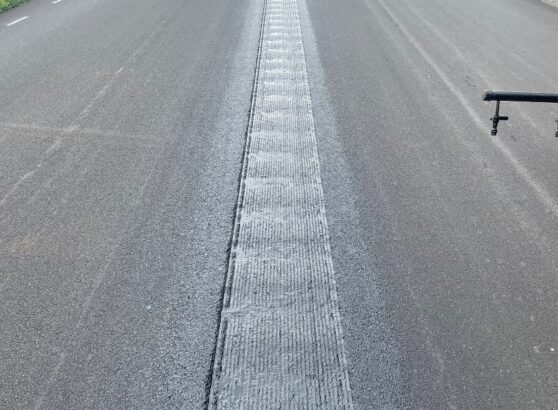
- At the joint specifically, applying a Void Reducing Asphalt Membrane (VRAM), like J‑Band®, at the time of construction can help prevent fatigue-driven cracking by improving density and reducing permeability along longitudinal joints.
Tools for Asphalt Assessment
A solid starting point is establishing an objective system and reliable database for prioritizing pavement treatments and qualifying for potential funding. Methods range from manual visual inspections to advanced technologies like LiDAR, drones, and even thermal imaging to capture accurate roadway conditions. Some states require PASER ratings or similar scores to feed decision matrices for funding eligibility.
Selecting the best rating approach depends on your goals, resources and type of detail you wish to understand about your pavement. With consistent, quality data, agencies can plan preservation work more effectively by spotting functional distress early and addressing it sooner to “keep good roads good” while using resources wisely in the long run.
Get to Know Your Roads
Understanding functional and structural pavement distress is the foundation of cost-effective pavement preservation. By identifying distress early, using objective assessment tools and applying the right treatments, agencies can extend pavement life, improve safety and optimize budgets.
If you’re unsure about what types of distress you’re seeing in your road network, we’re here to help! We can offer our expertise in evaluating pavements and guidance toward solutions tailored to your specific roads and overall network. Reach out to our team.
eFlex® is a trademark used under license from Ergon Asphalt & Emulsion Inc., Jackson, MS















































































Recent Comments