How do you get more life out of a pavement you’ve already invested in?
For Jersey County, Illinois, preserving pavement and extending service life means understanding what a road needs at different points in its lifecycle and choosing treatments accordingly.
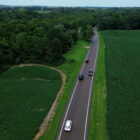
When the county resurfaced Otterville Road in 2023, J-Band® was applied beneath new safety improvements to protect vulnerable pavement areas. In 2026, the county returned with a similar objective: preserve its investments. AMIGUARD™ Rapid Penetrating Emulsion Rejuvenator (RPE-R) followed to preserve the asphalt while it was still in good condition.
Protecting Roadway Safety Investments
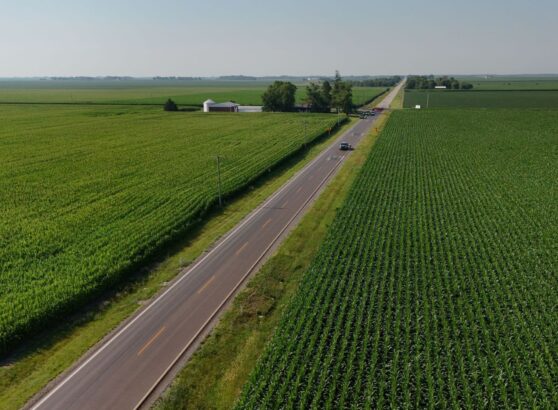
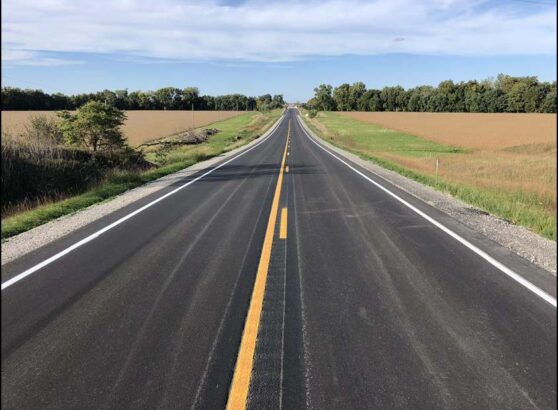
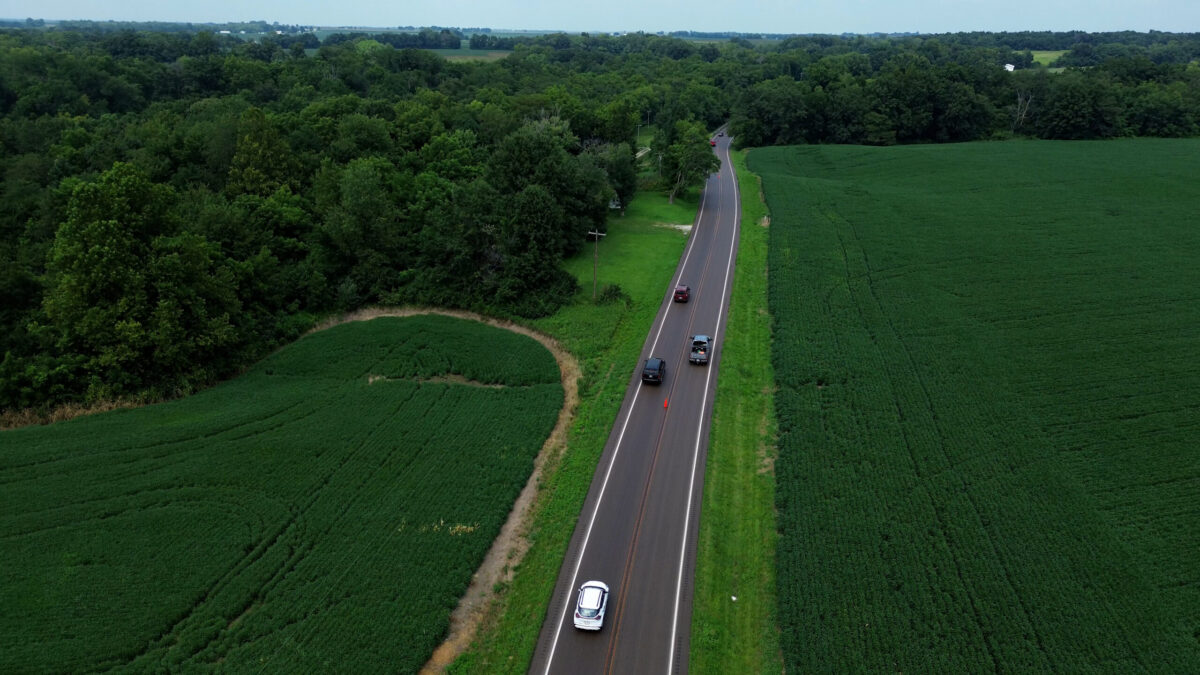
Otterville Road was experiencing a pattern of roadway-departure accidents. Jersey County Engineer, Tom Klasner, tackled this issue by working with partners to identify root causes, then developing a plan that included resurfacing to allow for road widening and inclusion of rumble strips, which could be constructed with the assistance of Highway Safety Improvement Program (HSIP) funds.
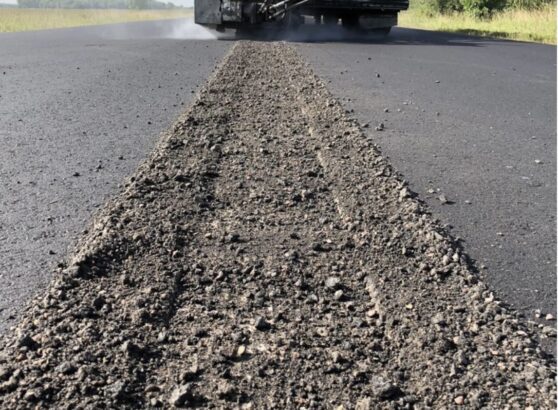
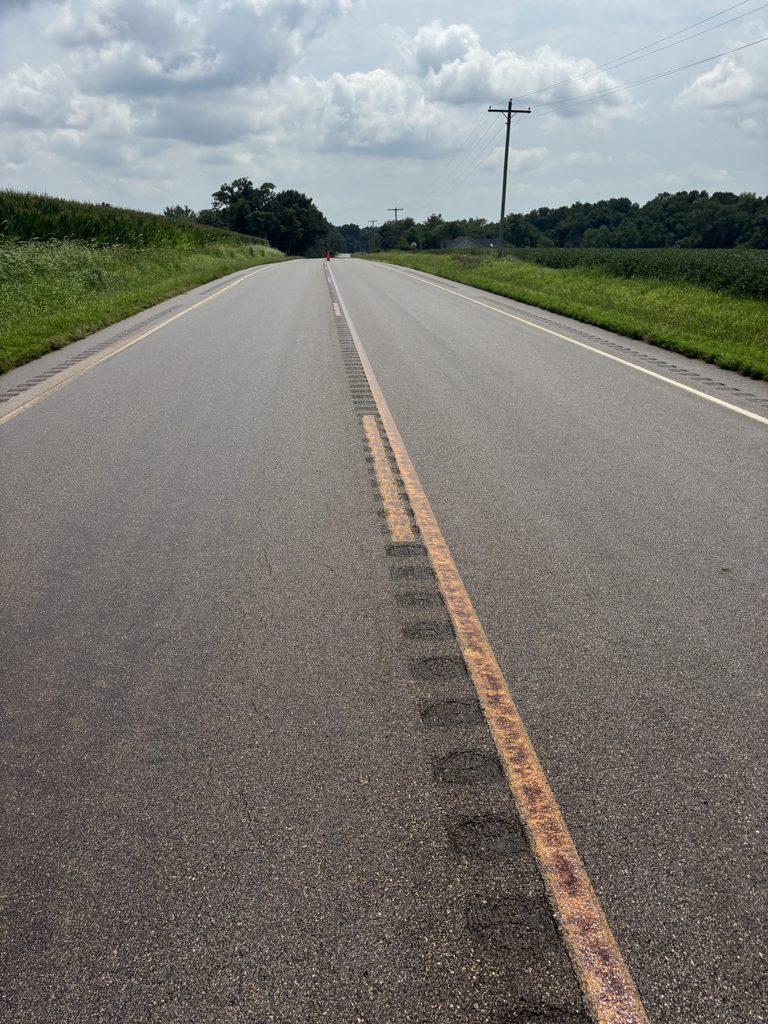
Working with Asphalt Materials, Inc. (AMI), the county also applied J-Band Void Reducing Asphalt Membrane (VRAM), known in Illinois as Longitudinal Joint Sealant (LJS), beneath where both the centerline and shoulder rumble strips would be added after paving the section of the two-lane highway.
Two years later, J-Band was used again when the county resurfaced the remainder of Otterville Road.
Because longitudinal joints are particularly vulnerable to deterioration from moisture, traffic loads and environmental conditions, J-Band added protection designed to reduce joint-related failures and preserve pavement integrity.
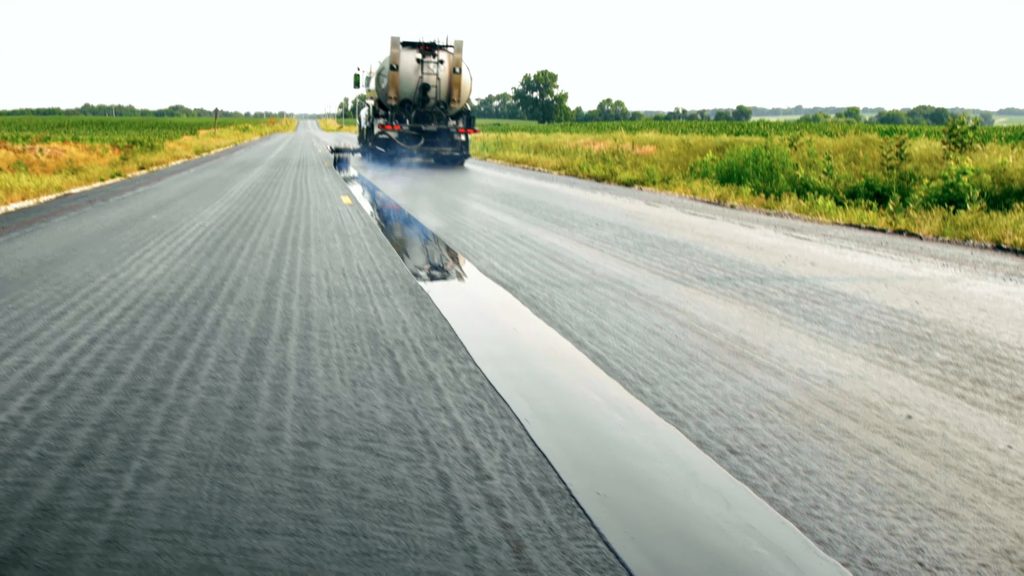
“Tom wanted to preserve the safety treatments he was putting on Otterville Road,” said Tim Zahrn, Specialty Products Area Manager at AMI. “We worked with him early on to get J-Band installed underneath the longitudinal joint, but also underneath the rumble strips on the outside edge of the pavement to preserve those rumble strips.”
For Klasner, the results go beyond pavement condition: “Looking at the data, we haven’t had any run-off-the-road accidents since we applied the J-Band and rumble strips, so I think they’ve made a big difference.”
Preserving Pavement Before Problems Appear
Fast forward to 2026, Jersey County was looking at the next preservation opportunity: slowing the aging of the pavement.
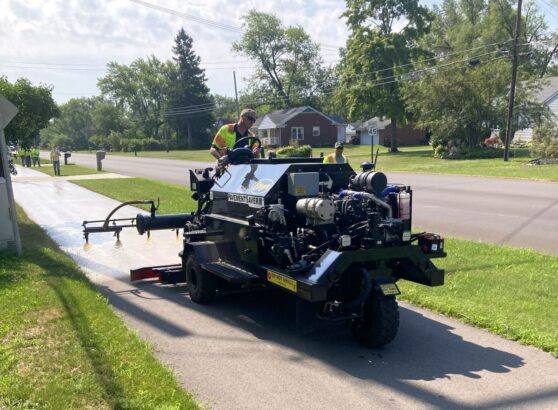
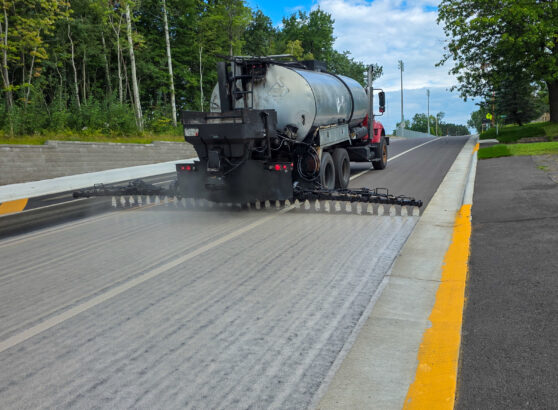
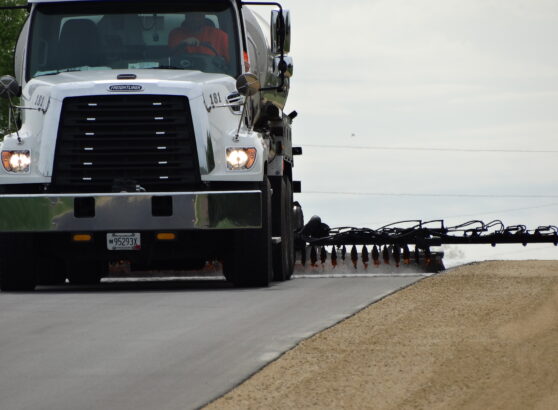
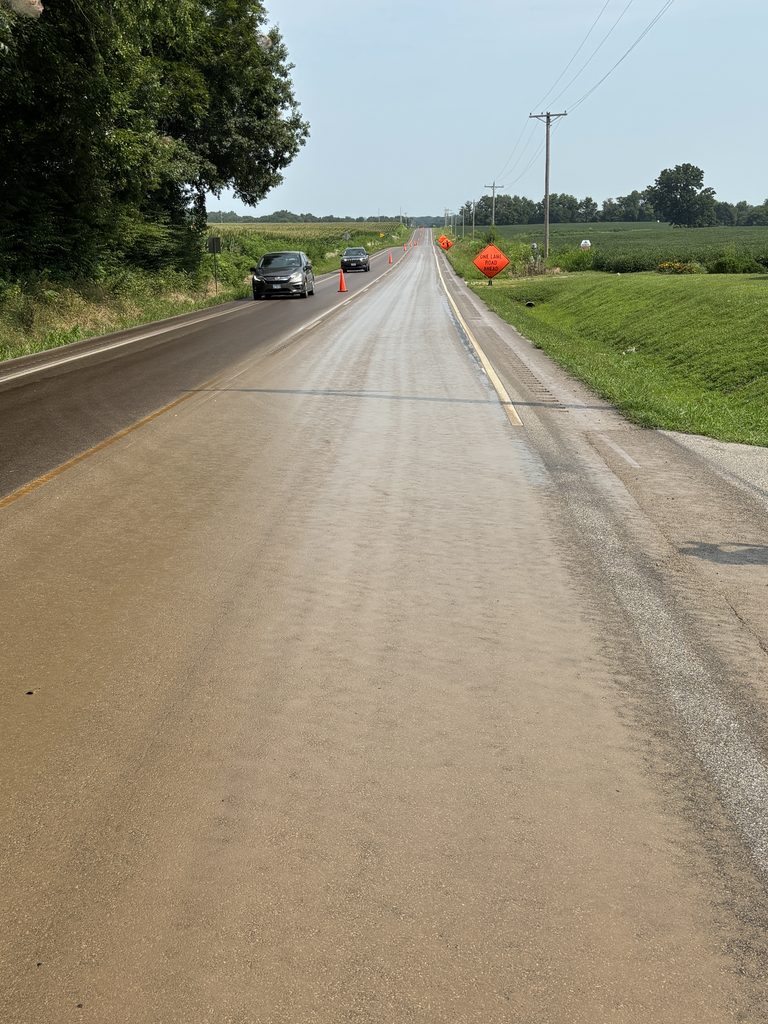
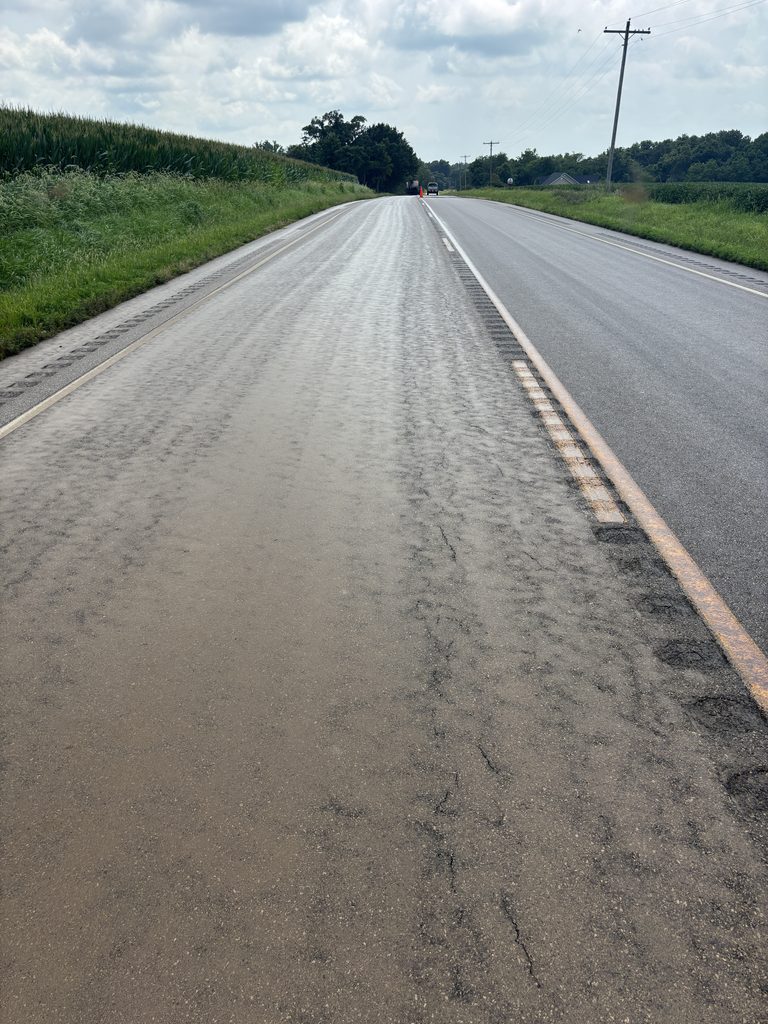
AMI worked with Klasner to apply AMIGUARD Rapid Penetrating Emulsion Rejuvenator (RPE-R) on the full length of Otterville Road. The project covered two different pavement sections, one in its first year of service and the other in its third, both within the recommended window for rejuvenation.
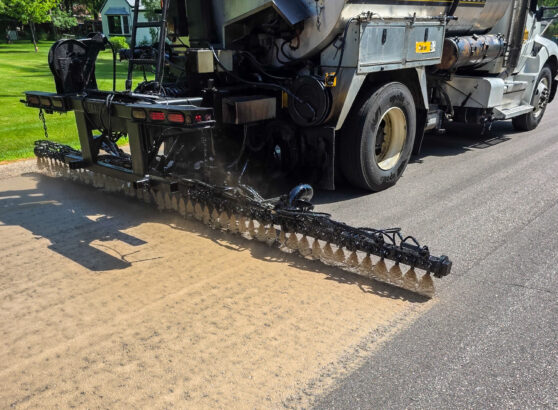
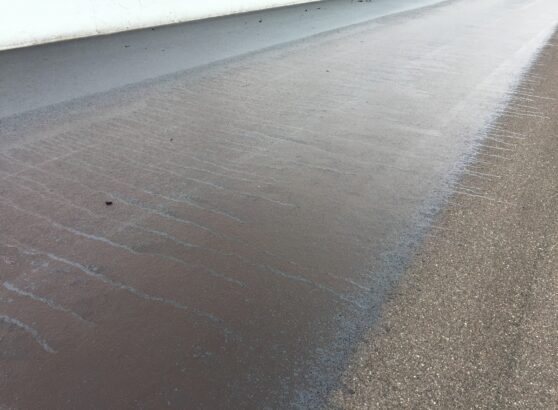
As asphalt oxidizes, its binder gradually loses flexibility, increasing brittleness and susceptibility to cracking. RPE-R is a spray-on rejuvenator engineered with low surface tension to penetrate the pavement quickly and restore essential asphalt binder properties lost through aging, supporting performance while helping agencies postpone more expensive maintenance.
“The way we’ve designed the product is to push rejuvenating oils down into the pavement to address aged asphalt near the surface,” Zahrn says. “When there aren’t enough voids for RPE-R to penetrate into the surface, the road is probably past the right age for the product. So, the earlier the better.”
Treating a pavement that still looked good was intentional for Jersey County.
“With all of the work we had done making improvements to this road, we felt like we needed to preserve it for the long term,” says Klasner. “That’s when I saw the rejuvenator product might be an asset.”
Using Different Treatments with the Same Objective
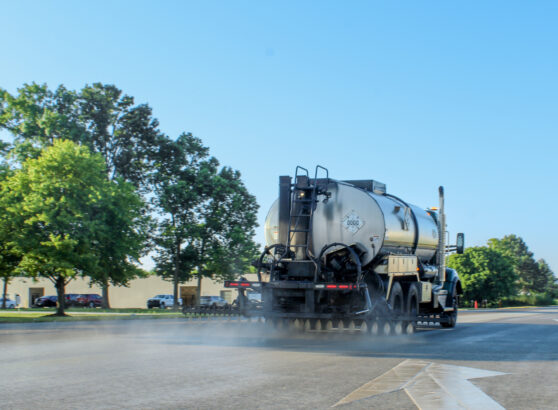
J-Band is sprayed as a hot-applied polymer-modified asphalt before paving. When the surface course is paved over it, J-Band melts and migrates upward into the pavement, filling voids from the bottom-up and creating an impermeable layer.
RPE-R works from the surface down, penetrating the pavement to rejuvenate aged binder and slow oxidation.
“This combination is a good ‘belt and suspenders’ type of application,” Zahrn explained. “We protected from the bottom, now we’re going to protect from the top.”
The goal isn’t to find one product that does everything. It’s to build a pavement preservation toolbox and select treatments based on the condition and needs of the road.
Building a Pavement Preservation Strategy
An asset management approach focused on preservation requires agencies to think about proactive treatments before a road begins to show signs of failure.
“The biggest takeaway from a project like this is understanding the benefit of applying a treatment early in your pavement’s life,” Zahrn says. “It can be difficult to spend money on a road that still looks good, but that’s really what preservation is about. Spending a little bit early can help extend pavement life and reduce overall lifecycle costs.”
Over the years, Jersey County and AMI have worked together to evaluate roadway needs, identify appropriate treatments and apply them at the optimal time to build resilience.
For Klasner, this philosophy is closely tied to stewardship.
“If I’m out here resurfacing in 15 years, I’m spending millions of dollars,” he said. “If I can prolong it for another 5 or 10 years, then I’ve pushed those costs farther down the road, and I can use that money for another project that may be beneficial to the county.”
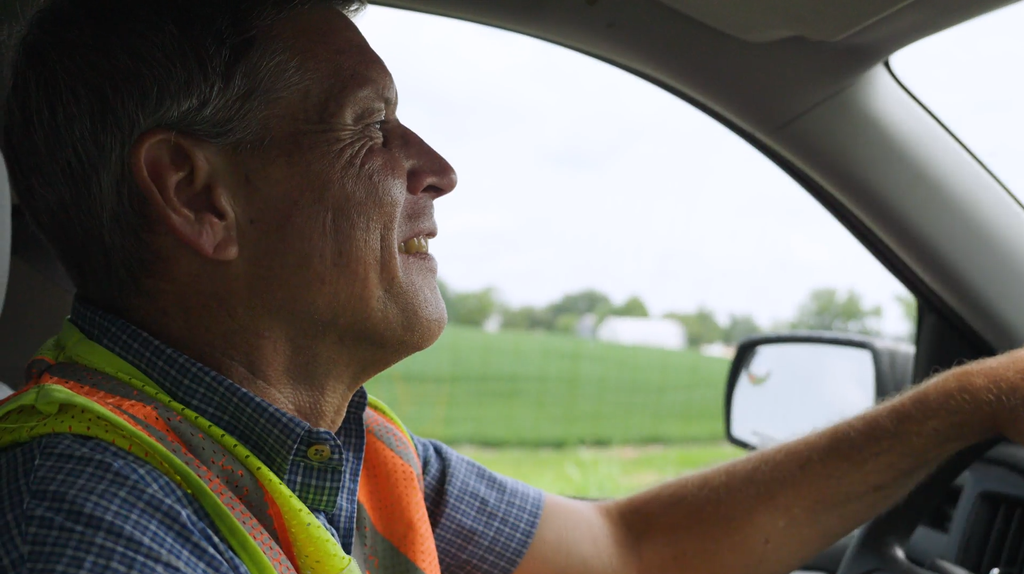
That long-term approach to preservation is also personal for Klasner: “One of the things I want to do for the county when I retire is make sure the county highways are in a good place, that they’re well taken care of. I’m proud of the projects and safety improvements I’ve done for the county.”
Otterville Road shows what that can look like in practice: using the right tools today to take better care of the infrastructure communities will depend on tomorrow.
Interested in seeing pavement preservation in action? Let AMI know you’d like to visit a project site and the team can help identify upcoming projects in your area.