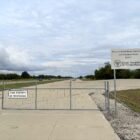
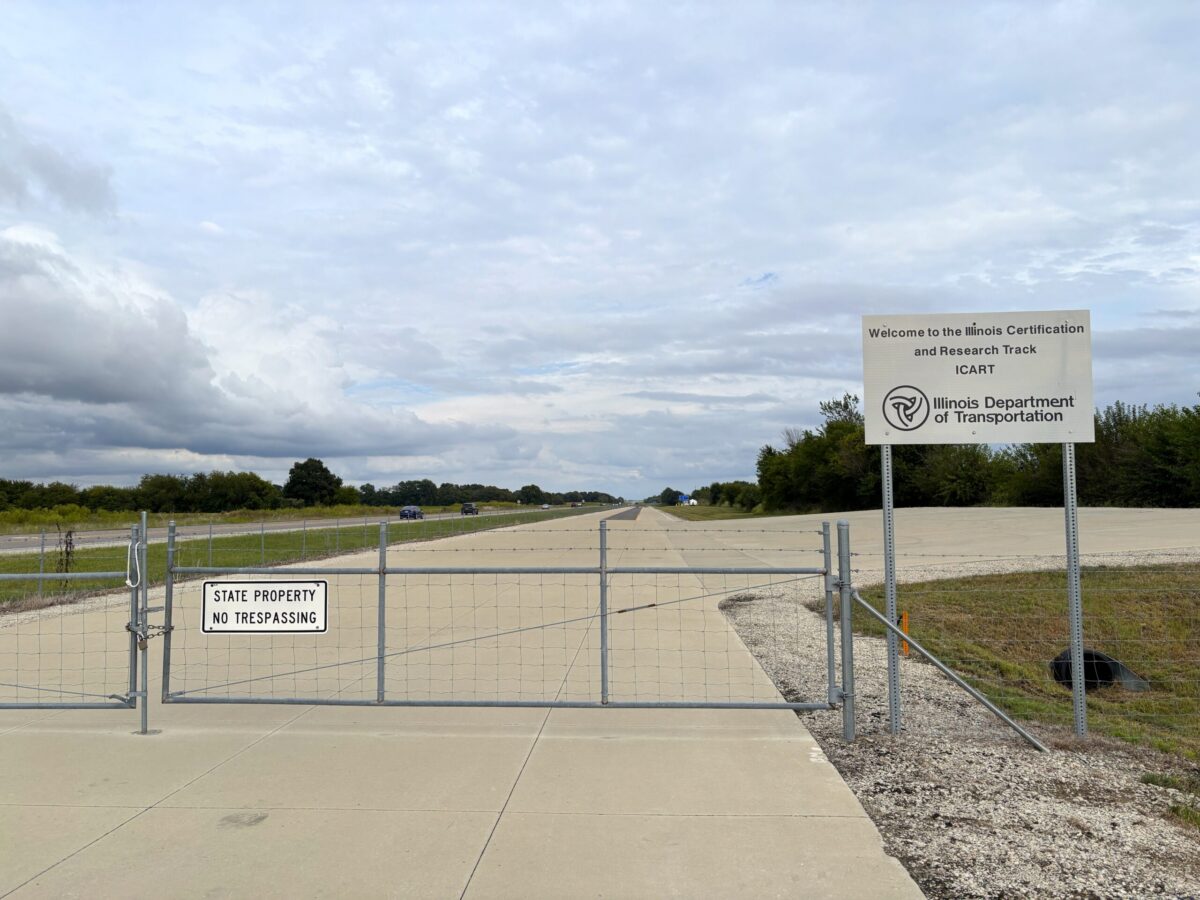
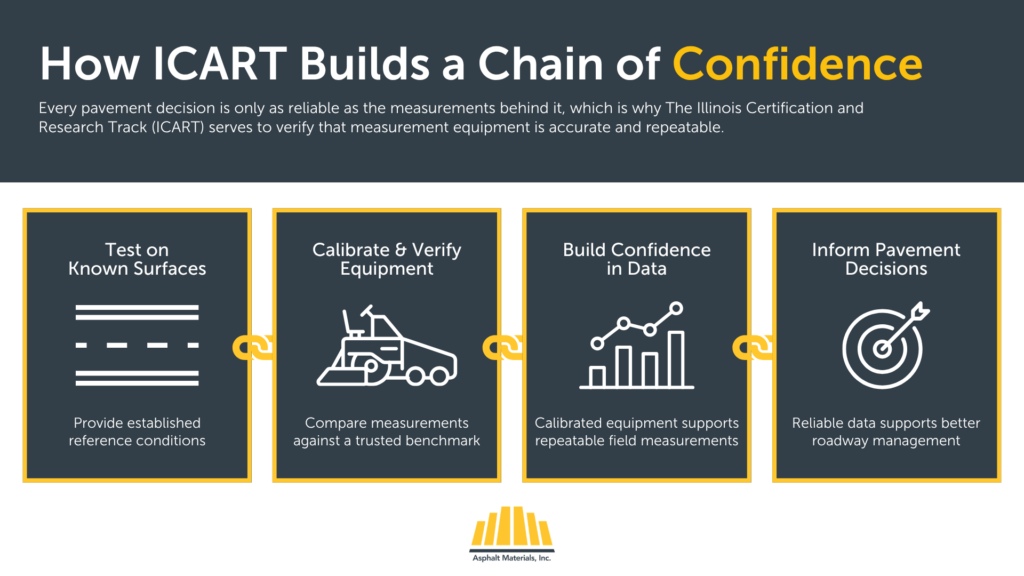
Transportation agencies make decisions worth millions of dollars every year based on pavement condition index (PCI) data. But before that data can inform a decision, agencies need confidence that the equipment is collecting accurate information. The Illinois Certification and Research Track (ICART) is a specialized facility developed by the Illinois Department of Transportation (IDOT) to support pavement research, equipment certification, friction correlation and evaluation of pavement measurement technologies.
Specialized pavement surfaces at ICART provide known conditions for testing and calibrating pavement measurement equipment, including the devices used to measure roadway friction. Preserving those surfaces helps protect something equally important: confidence in the data agencies use to make significant roadway decisions.
The Critical Role of Friction Data in Roadway Safety
Friction data measures how much grip exists between a vehicle’s tires and the pavement surface. It quantifies the pavement’s ability to resist skidding, especially during braking, turning, or wet-weather driving conditions. Over time, friction changes due to surface weathering and traffic wear. Sometimes, aggregates become polished and can diminish surface texture, also reducing available friction.
Transportation agencies routinely measure pavement friction as part of their pavement management and roadway safety programs. This is critical especially on high-volume roadways, curves, ramps and intersections where adequate friction is needed. By quantifying the tire-pavement interaction under conditions that simulate real-world driving, particularly during wet weather, agencies can identify locations where traction is declining before safety issues become apparent.
Combined with other pavement condition metrics, friction measurements can help agencies make more informed investment decisions that improve both asset performance and driver safety.
Understanding Friction Testing and Skid Trailers
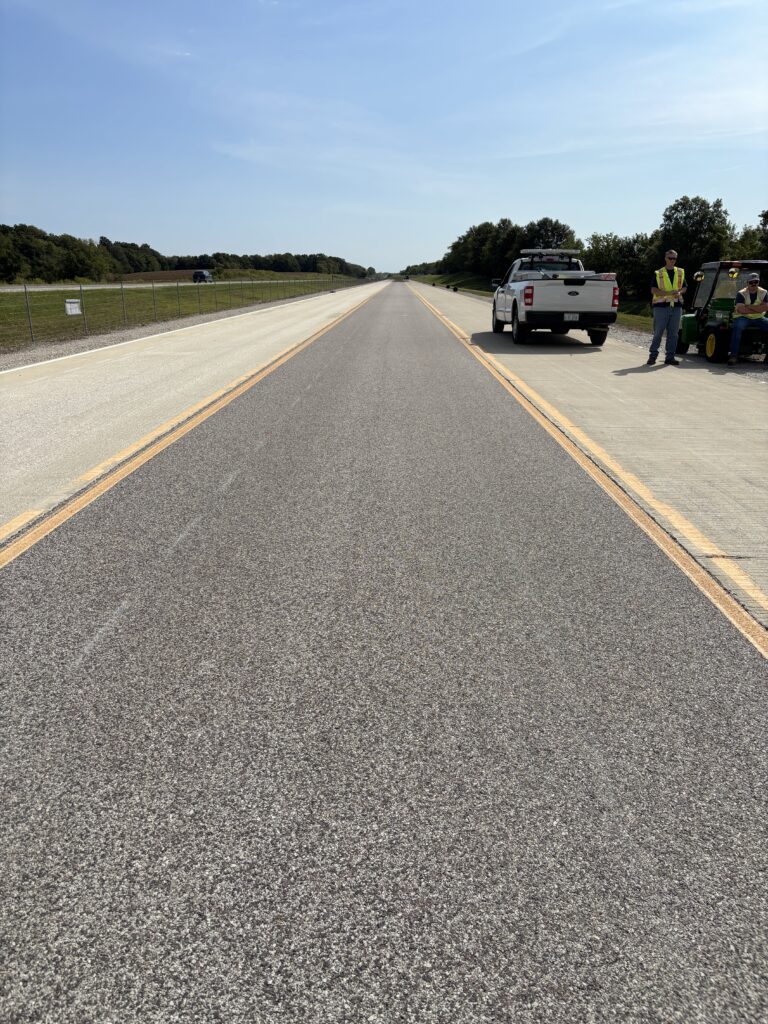
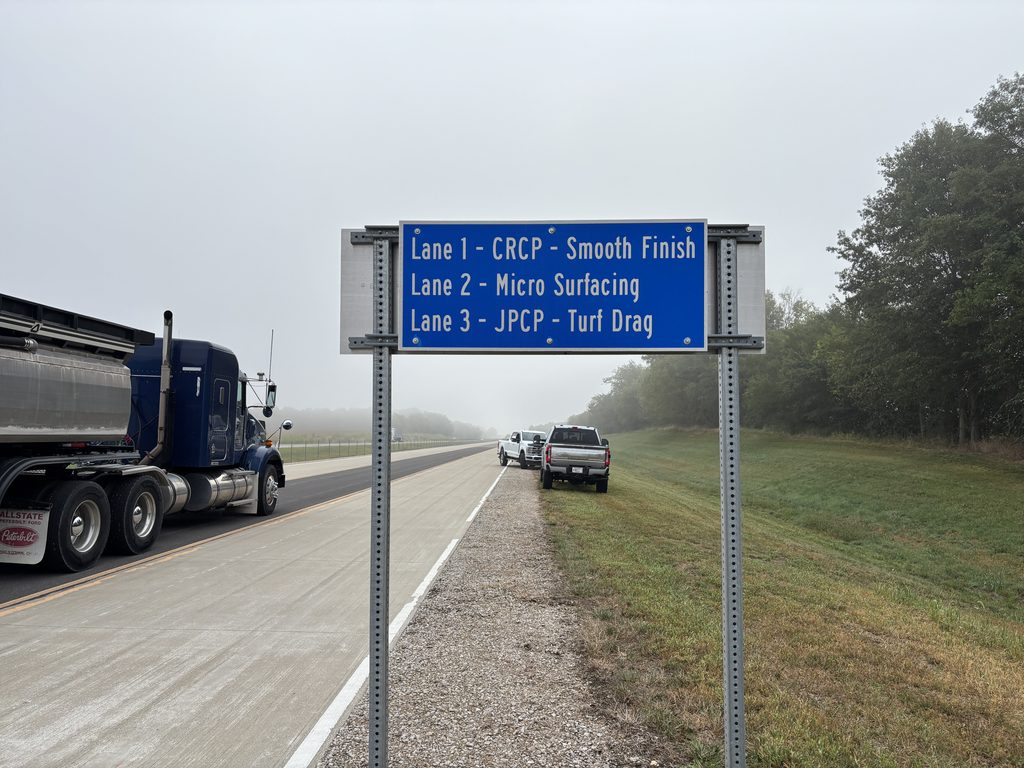
The primary reason for visiting ICART is its skid-testing surfaces used for friction correlation and calibration. ICART includes approximately 0.75 miles of continuous pavement, 10 skid-testing surfaces with 11 unique pavement textures designed to provide known conditions for testing and calibration.
One of the most common devices used for this purpose is a locked-wheel skid trailer.
During testing, a truck tows a specialized trailer equipped with a test wheel. Water is applied to the pavement surface ahead of the tire, and as the trailer travels at a specified speed, the test wheel is temporarily locked. The equipment measures the resistance between the tire and pavement during the skid event, generating a friction value.
Preserving the Surfaces Behind the Measurements
Friction measurements are influenced by both pavement texture and testing equipment, so testing equipment must be calibrated against pavement surfaces with known and established friction and texture characteristics. Because of this, maintaining ICART’s surfaces is critical to the facility’s long-term operation. “The value of these surfaces goes beyond the pavement itself,” says Todd Thomas, AMI Technical Director. “They serve as a benchmark for agencies that rely on friction data to support roadway safety decisions, so ensuring they are in good condition for longer will keep this resource available for the agencies that depend on it.”
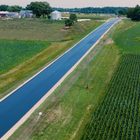
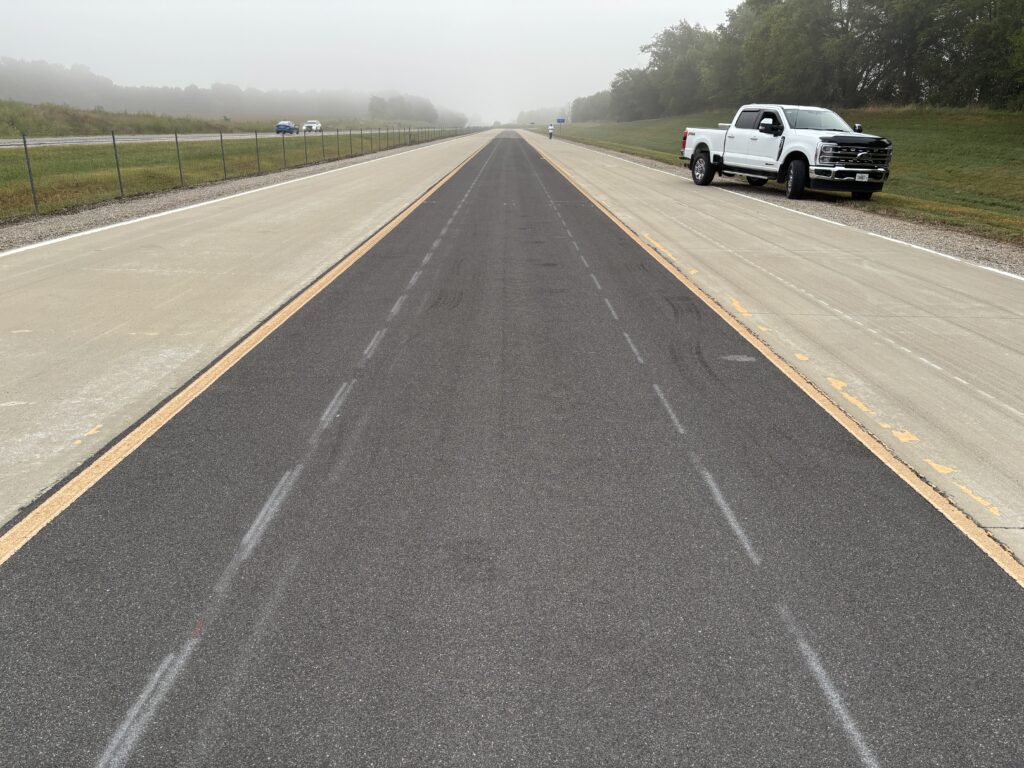
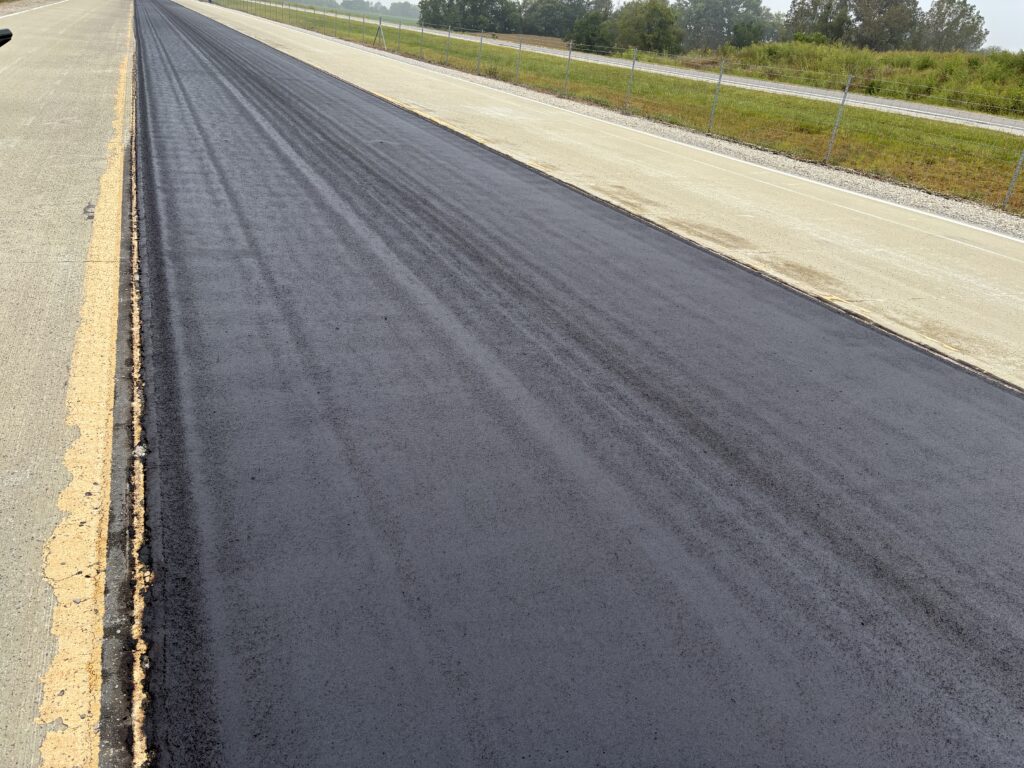
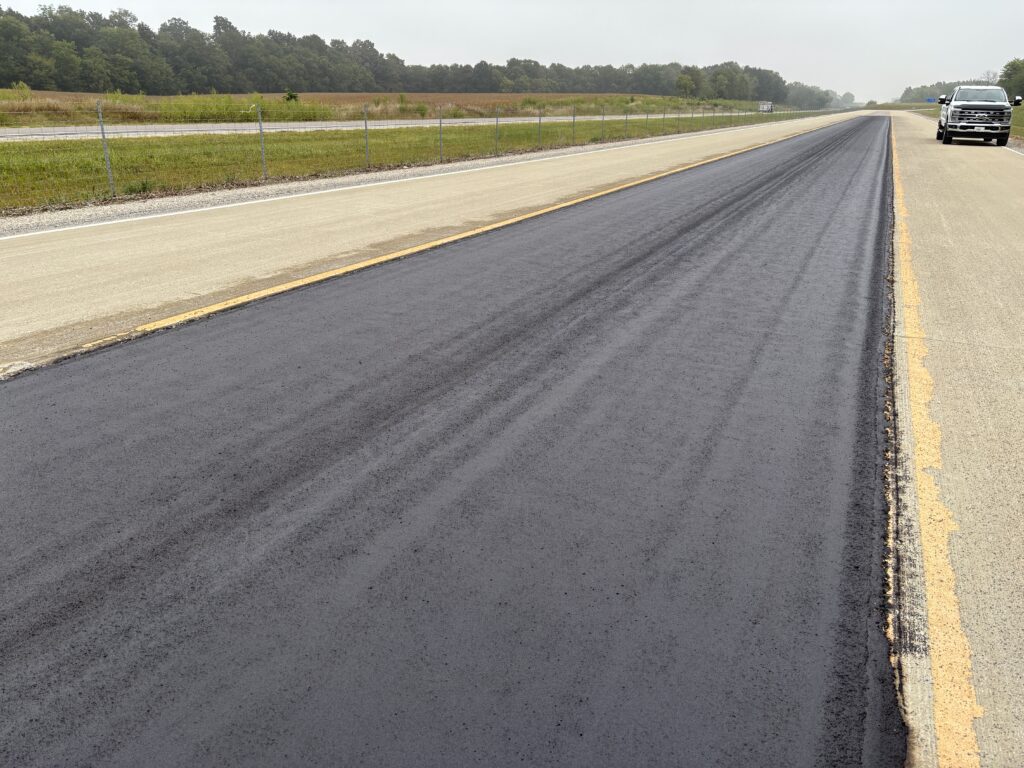
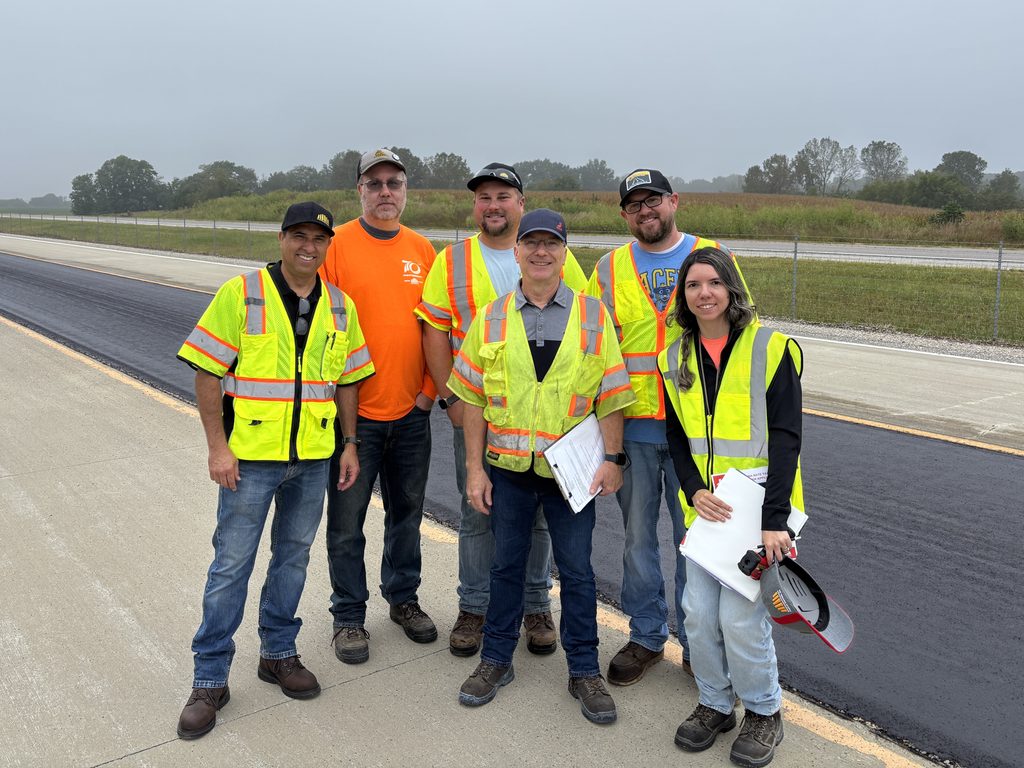
Recently, Asphalt Materials, Inc. provided preservation materials for ICART to increase the longevity of several sections of the test track. The application of AMIGUARD™ Rapid Penetrating Emulsion Rejuvenator (RPE-R) was added to an asphalt section and eFlex® Highly Modified Micro Surfacing on two specialty surface sections within the track.
RPE-R is a spray-on asphalt rejuvenator designed to help restore binder properties that degrade as pavement oxidizes over time. The material is engineered with low surface tension to penetrate the pavement quickly and address the impacts of aging where its effects are most prevalent: near the surface. Because this pavement was about three years old and still in good condition, RPE-R will help slow future aging and delay heavier maintenance work on this critical testing surface.
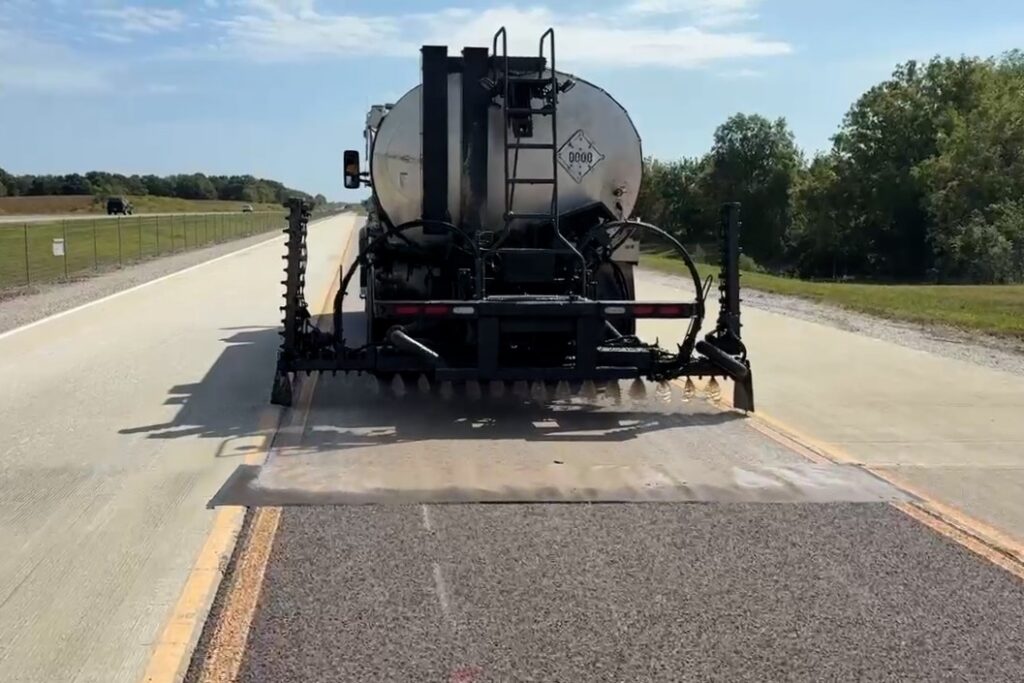
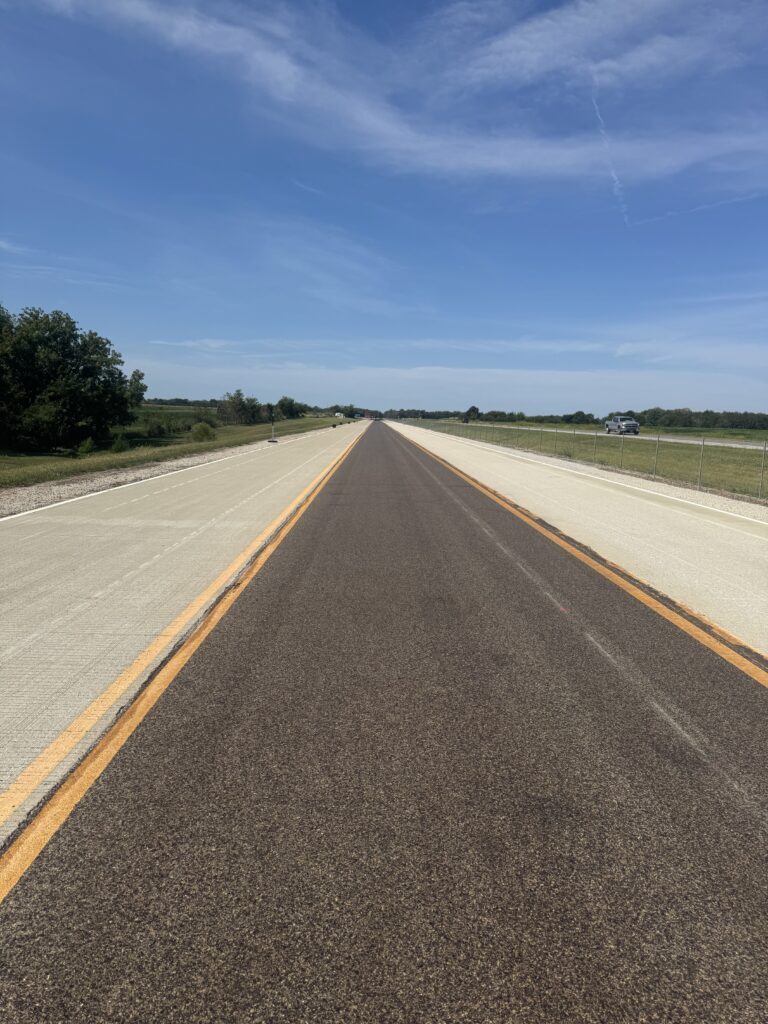
RPE-R was applied at three application rates: 0.05, 0.08 and 0.10 gal/SY. Field observations noted high penetration, particularly in the 0.05 gal/SY section, where approximately 90% penetration was observed within 20 minutes and no tracking was observed after 34 minutes. The 0.08 and 0.10 gal/SY sections took longer to penetrate, as an on-site spray test conducted by the AMI technical team had predicted. Both rates are above what is typically applied to this type of surface. Beyond treating the pavement, they were selected to create a lower friction reference surface for the research track.
AMI Product Innovation Engineer, Rafa Costa, shared “As asphalt ages, oxidation stiffens the binder and makes the surface more prone to cracking and raveling. RPE-R helps reverse that stiffening by restoring the binder’s rheological properties. Applying it early on the ICART sections slows pavement aging, extends the track’s service life and delays the need for major repairs. To quantify those benefits, we will continue monitoring how each section performs over time.”
eFlex®, an Ergon® product, is a highly modified micro surfacing system that combines polymer-modified emulsion with high-quality aggregate to create a durable wearing surface. The treatment has the benefits of conventional micro surfacing, but its higher polymer percentage makes it stronger and more resilient. Micro surfacing is typically used to address mild surface deterioration, improve ride quality and restore surface characteristics; eFlex micro will achieve those goals and extend service life by at least two more years.
As part of the ICART project, eFlex was mixed with an aggregate blend containing bauxite aggregate because of it’s extreme hardness which provides long-lasting skid resistance and durability. It was then placed on approximately 1,072 square yards of pavement, including sections that had previously received micro surfacing and chip seal treatments. Project observations noted rapid curing characteristics, with the material becoming firm in approximately 20 minutes and traffic-ready in about one hour, allowing the track to quickly return to service.
AMI Technical Product Manager, Ron Arredondo said, “The combination of eFlex with bauxite and sandstone creates a very strong and durable wearing surface that increases skid resistance and reduces wear and we’re excited to see how it performs over time.”
Supporting Data-Driven Road Management
Every pavement program depends on reliable data, which starts with accurate measurement. Before agencies invest preservation dollars, address safety concerns or prioritize rehabilitation projects, they need confidence in the equipment collecting the data.
Facilities like ICART provide the confidence necessary for smart pavement management decisions. By preserving the reference surfaces used for certification, calibration and testing, accuracy of the friction and pavement data collected at ICART remains reliable in supporting critical transportation decisions. AMI is proud that our products are being used to support this effort and help agencies build confidence in their pavement management programs.
Contact AMI to learn more about preservation solutions that best fit your agency’s needs.
eFlex® is a trademark used under license from Ergon Asphalt & Emulsion Inc., Jackson, MS