
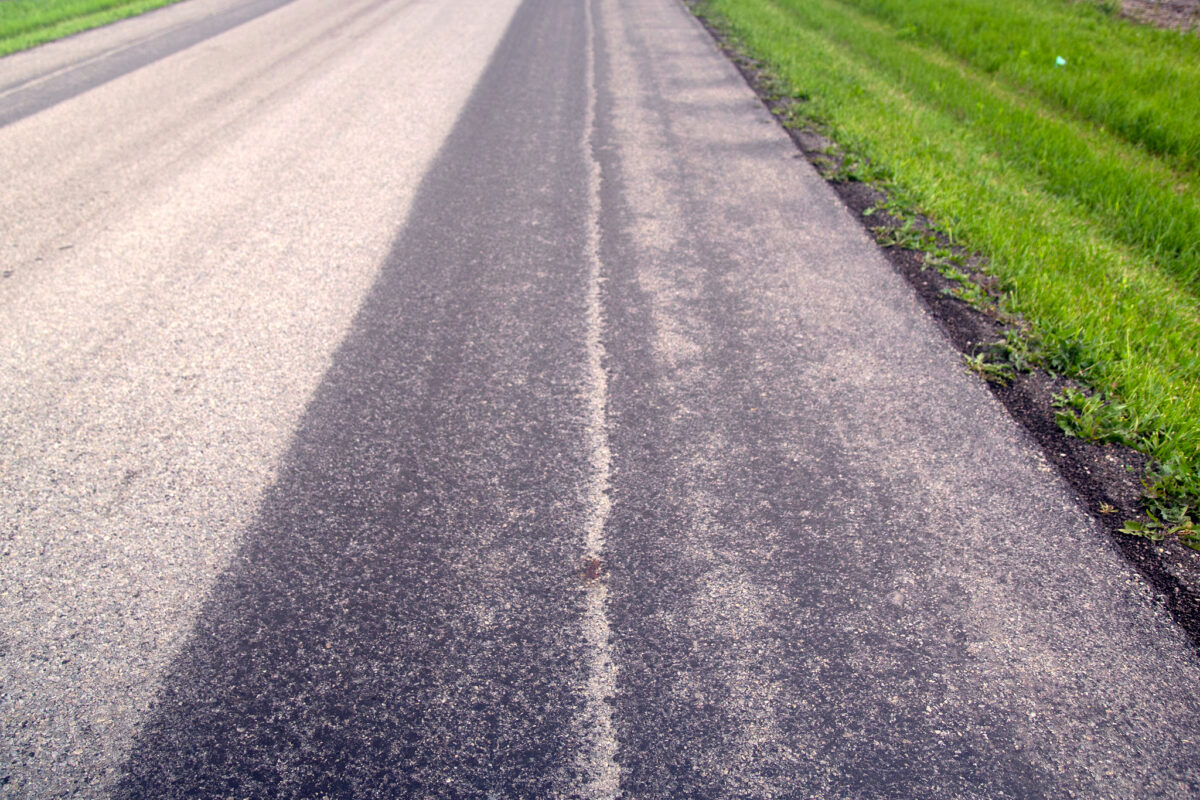
When confronted with the need to widen a road, Union County, OH found this cost-effective approach using recycled asphalt and cold mix asphalt.
- Challenge: Many rural roads are too narrow for today’s traffic, creating safety risks
- Union County Solution: This strategic widening approach used Reclaimed Asphalt Pavement (RAP) with AMICYCLE™ Cold Central Plant Recycling (CCPR) then overlaying the new pavement width with AMIBIND™ Cold Constructed Asphalt Pavement (CCAP®) from Asphalt Materials, Inc. The CCAP surface will then be chip sealed to provide a new finished wearing surface.
- Key Benefits: Lower cost, use of existing materials, added pavement durability, paving schedule flexibility
- Result: Safer, wider roads and maximized resources
Why Road Widening is Becoming a Priority
Many existing roads were not originally designed to handle today’s traffic. Built as one-lane or one-and-a-half lane routes, these pavements now carry significantly more vehicles and heavier loads due to population growth and economic expansion. This can create safety concerns such as limited passing space and lack of shoulders for recovery. To reduce these risks, counties will widen their roads by adding lanes, shoulders or turning areas to improve safety for the driving public.
But the issue isn’t just traffic volume; it’s structural. While the center of these roads ideally have a strong base in the middle, the outer edges typically lack the same support, making widening more complex. For agencies, widening roads is the goal, and doing so in a way that minimizes cost and delivers long-term durability is what truly makes an approach effective.
Case Study: Widening a Rural Road in Union County, Ohio
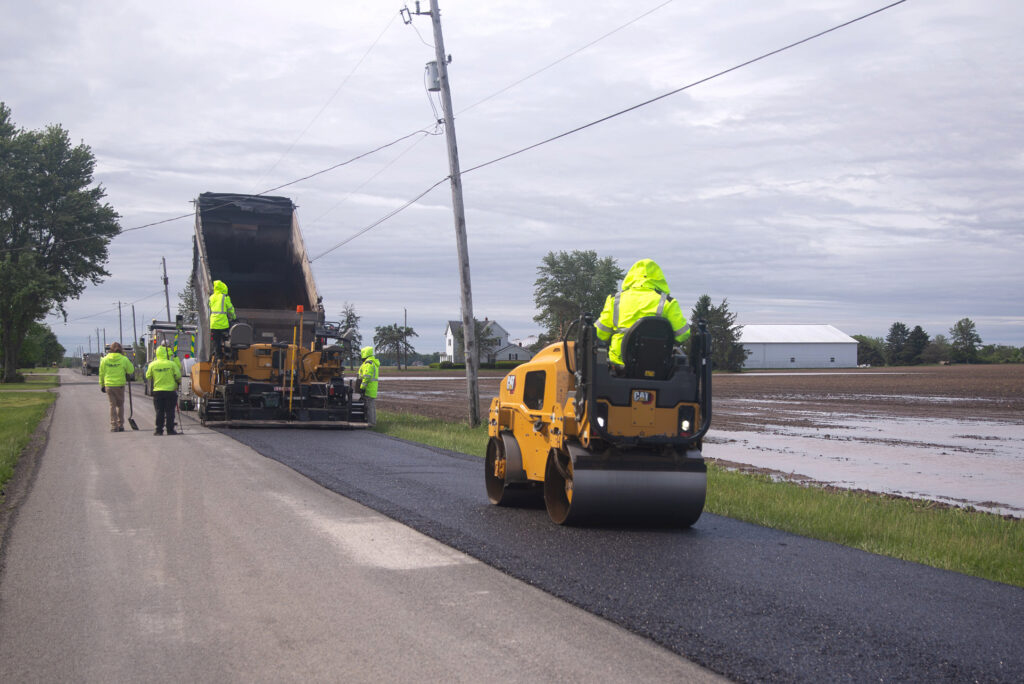
Located northwest of Columbus, Ohio, Union County is seeing rapid growth and looking for ways to keep up with the maintenance demand of its network.
“We’ve got a lot of rural roads, a lot of 15–16-foot-wide pavements,” said Justin Story, Superintendent of the Union County Engineer’s Office. “Our traffic numbers are growing all over the county, so it’s getting harder for two vehicles to pass. The goal is to eventually get every pavement to 20 feet wide.”
One traditional approach to this challenge involves milling along the pavement edge and stabilizing the underlying material with cement to create a stronger base before widening.
But many agencies are turning to alternative approaches to better utilize resources.
Project Overview:
- Location: Woods Road
- Original width: 16ft
- Final width: 20ft
- Pugmill: Pavement Maintenance Systems, a division of Evergreen Roadworks
- Contractor: H&S Asphalt, LLC
- Material Supplier: Asphalt Materials, Inc.
Widening the Road Base Using Recycled Asphalt
The first phase of the project focused on adding width. Asphalt Materials, Inc. Regional Sales Manager, Cameron Porter worked with the county to explore new processes for this ongoing work.
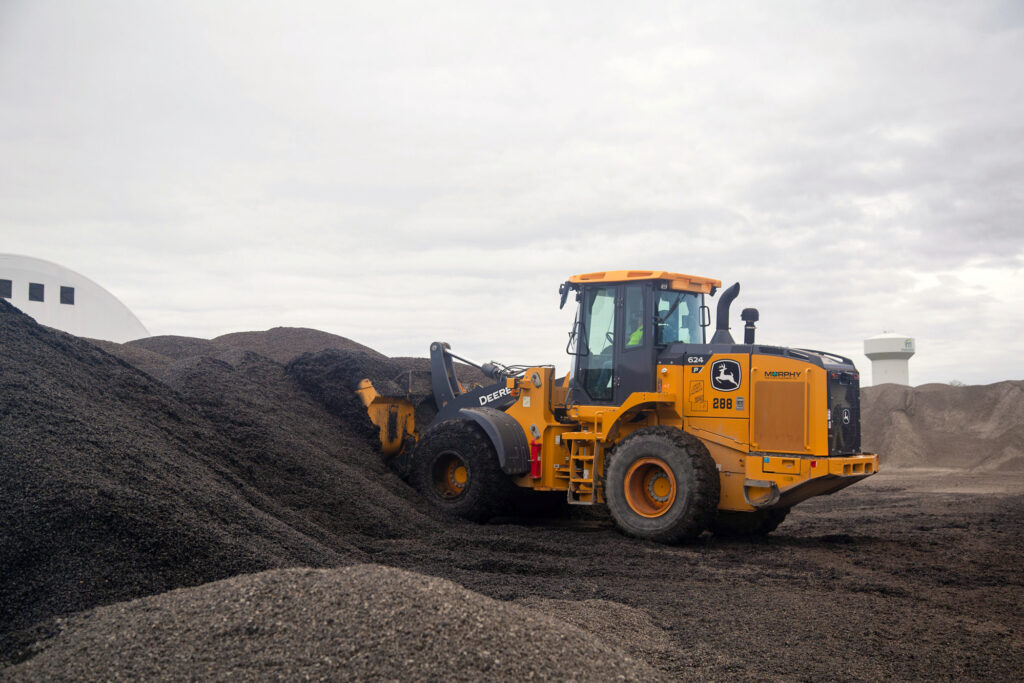
With a pile of accumulated Reclaimed Asphalt Pavement (RAP) at its disposal, the county was presented with the idea of using its existing materials to fill the milled trenches instead of sourcing new.
Leveraging these millings, the county began the road widening using Cold Central Plant Recycling (CCPR). This recycling method takes place at a central location, where a mobile mixing plant mixes a stockpile of processed RAP with an engineered emulsion. The material is then transported to the project site where it’s placed in the widening trench and compacted.
For Union County, this process was followed by a chip seal layer to deter water intrusion over the winter in preparation for paving the following spring.
Applying AMIBIND™ Cold Constructed Asphalt Pavement (CCAP®) for Flexibility
After widening the base, Union County completed the second phase using CCAP from Asphalt Materials. Produced at ambient temperatures, CCAP can be produced in advance and stockpiled, allowing crews to pave on their own schedule. Engineered with gelled asphalt technology, CCAP coats aggregate thoroughly and creates a durable, flexible surface that resists cracking in cold weather and rutting in high temperatures.
CCAP Process
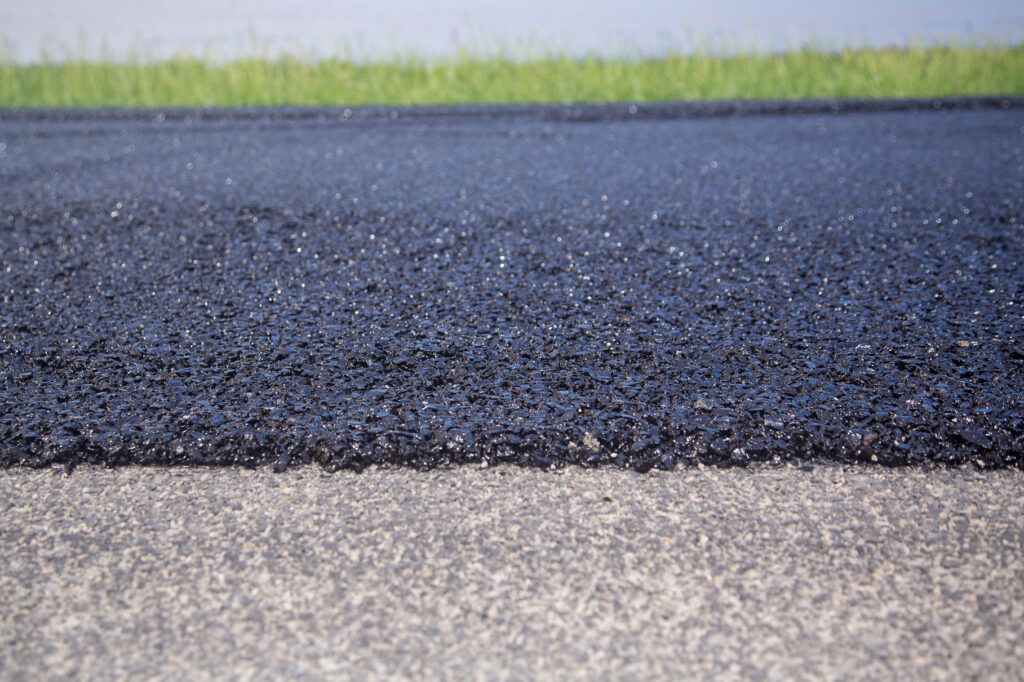
- CCAP mix is produced using virgin aggregate (this aggregate gradation may be adjusted based on paving thickness) at an ambient temperature using a pugmill
- Mix is stockpiled until an agency is ready to pave
- Mix is transported and paved using conventional paving equipment
- A 10-ton double drum roller is used in static mode to ensure stones are locked together to provide a strong, durable roadway.
See a CCAP project in action in this video.
AMI Sales Representative Bruce Wehr oversaw the CCAP production and application process: “The material coated the aggregate well and formed a stable structure with a smooth riding surface for the county.”
What is the Most Cost-Effective Way to Widen a Road?
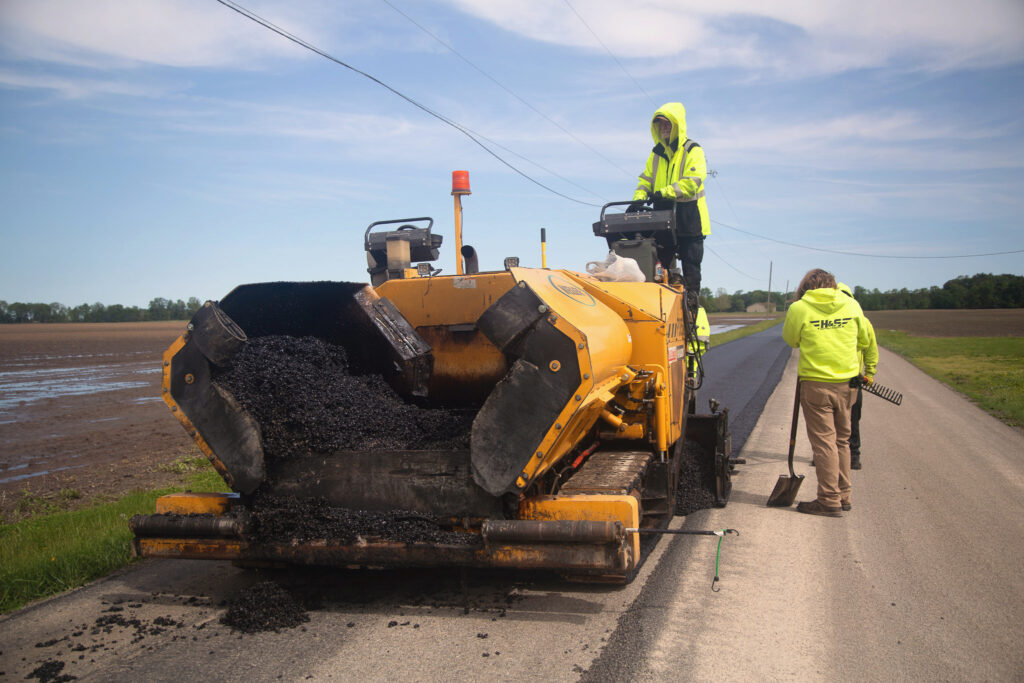
Union County highlights how this unique approach can be budget-friendly while effectively widening a road for stability and durability, and especially valuable for counties in rural environments where resources are limited.
Key Advantages of CCPR and CCAP Process
- Lower cost with recycled materials
- Ability to use in-house crews
- Flexible construction timeline
“Our role is to help agencies evaluate their options and find the right solution for their specific needs,” Porter said. “Using recycled materials and CCAP allowed the county to use some of their own material and their own labor force, which was very cost-effective.”
Building a Smarter, More Sustainable Future
This solution reflects a broader shift toward scalable, resource-efficient road improvement strategies. By combining recycled materials and cold mix surfacing, agencies can maximize budgets while achieving safety and performance goals.
“Our main focus is to put as much back into permanent road improvements as we can every year,” Story said. Counties like Union County are proving that rethinking conventional methods can deliver more miles of safer roads while preserving resources in the long-run.
Interested in exploring new methods for road improvements? Reach out to the AMI team to find the right solution for you.

Recent Comments